

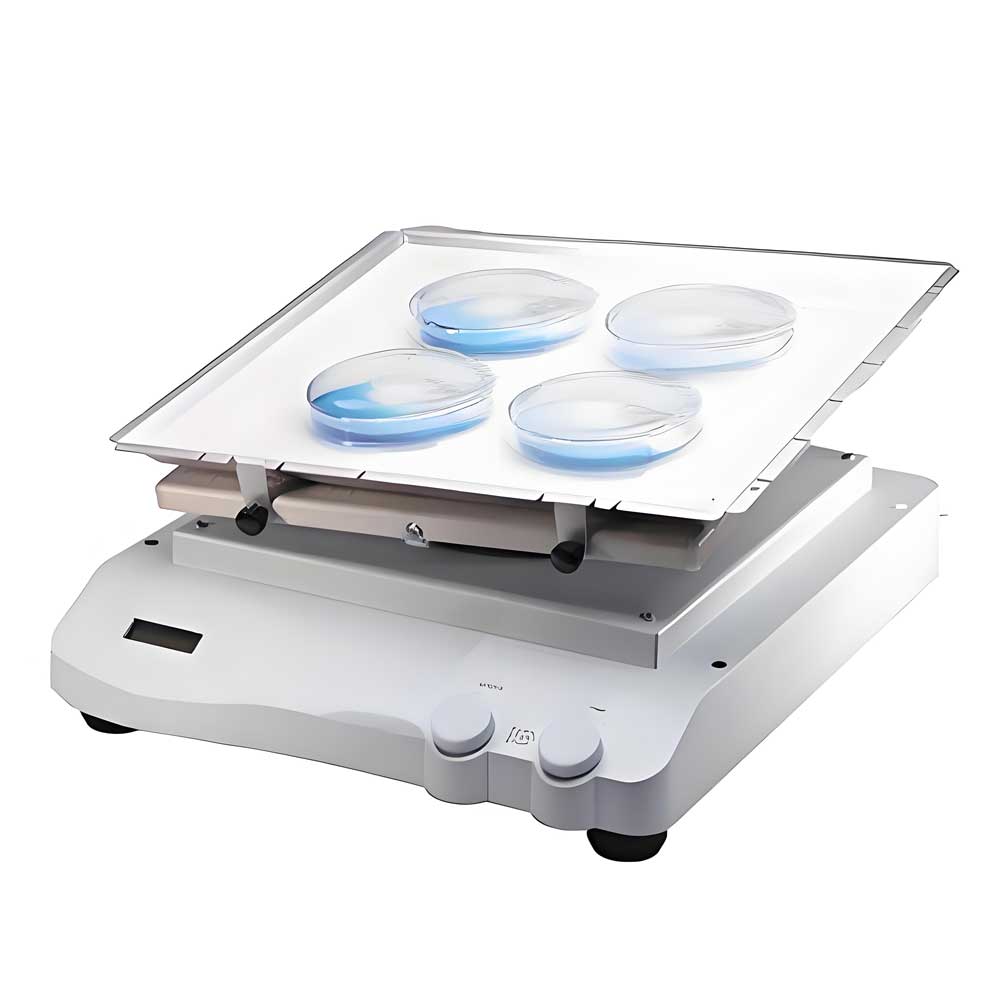
Getting your samples right on a Western Blot Rocker is key for spotting proteins well. When blocking proteins, spreading samples evenly on the Protein Blotting Rocker is important. This makes sure they touch the blocking buffer the same way everywhere. This even contact is what makes your results reliable and accurate.
Here are some tips for placing samples right when using Western Blot Equipment:
- Spread samples out so the blocking buffer can move around freely.
- Don’t put too many samples on the rocker. Too many can mess up the blocking and ruin your data.
- Place big samples in a way that keeps them steady and stops them from moving too much.
By following these tips, you can make your immunoblotting results better and your experiments more reliable. How you lay out your samples affects how they react with the reagents. This, in turn, impacts your analysis and findings in protein research.
Overview of Protein Blocking in Western Blot
Understanding protein blocking is key for researchers using the Western Blotting System. This step is crucial for getting reliable and accurate results in the Western Blot Process.
The Western Blot Process and the Significance of Protein Blocking
The Western Blot Process has several stages. First, proteins are separated using gel electrophoresis and then transferred to a membrane. Next, antibodies detect specific proteins. Protein blocking prevents non-specific interactions between antibodies and the membrane, making signals clearer.
The Purpose of Protein Blocking
Protein Blocking fills potential binding sites on the membrane that might react with antibodies wrongly. This step makes antibody binding to target proteins more specific. It helps distinguish between real signals and background noise. Using the right blocking techniques in the Western Blotting System leads to consistent results across different samples.
The Role of Western Blot Rocker in Protein Blocking
A Western Blot Rocker is key to getting the best results in protein blocking. It’s also known as a Laboratory Rocker Mixer or Protein Blotting Rocker. This tool helps make sure samples get the right amount of blocking agents evenly.
The Mechanism of the Rocker’s Action
The Western Blot Rocker moves in a gentle rocking motion. This helps shake membranes evenly during blocking and antibody steps. It stops air bubbles and keeps samples well-covered with blocking agents.
Advantages of Using a Rocker for Protein Blocking
Using a Laboratory Rocker Mixer has many benefits:
- It makes sure blocking solutions cover everything evenly.
- It cuts down on background noise, making signals clearer.
- It makes blocking more effective by covering all sites well.
- It avoids problems with old blocking methods, giving consistent results.
The Protein Blotting Rocker is a must-have in today’s labs. It helps researchers get reliable and consistent results in their protein studies.
Sample Types in Western Blot and Their Considerations
Knowing the different sample types in Western Blotting is key for good results. Each type needs special care to get accurate and reliable data. Here are the main things to think about for Cell Lysate, Tissue Extracts, and Purified Proteins.
Cell Lysate Samples
Cell lysate samples are common in Western Blotting because they’re easy to make and show protein presence well. How well you prepare the sample greatly affects the results. Using cold lysis buffer and protease inhibitors helps keep proteins intact and stops them from breaking down during extraction.
Tissue Extract Samples
Tissue extract samples are tricky because of the complex structure of tissues. You need to use methods like homogenization or sonication to break down tissues effectively. These methods help release proteins for accurate analysis in Western Blotting, improving the quality of results from Tissue Extracts.
Purified Protein Samples
Western Blotting with purified proteins works best when proteins are precisely measured. It’s best to load the same amount, usually 10-50 μg per well. This careful Sample Preparation ensures that comparing Purified Proteins gives true insights into how much protein is present.
| Sample Type | Preparation Method | Key Considerations |
|---|---|---|
| Cell Lysate | Use cold lysis buffer | Inhibit protein degradation |
| Tissue Extract | Homogenization or sonication | Ensure effective protein release |
| Purified Proteins | Quantify protein levels | Load equal amounts for comparison |
Impact of Membrane Types on Sample Positioning
Choosing the right membrane type is key for protein blocking in Western blots. Membranes like PVDF and Nitrocellulose have special traits. These traits affect how proteins bind and the results of the experiment.
Characteristics and Influences of PVDF Membranes
PVDF Membranes stand out for their toughness and high protein binding capacity. They can handle a wide range of protein sizes, making them versatile. However, it’s crucial to wash and block carefully to avoid high background signals.
Characteristics and Influences of NC Membranes
Nitrocellulose Membranes are great for seeing proteins clearly because of their strong protein affinity. They help in getting clearer protein bands, making data easier to understand. But, they are brittle and not good for reprobing, which can limit experimental designs.
| Feature | PVDF Membranes | Nitrocellulose Membranes |
|---|---|---|
| Protein Binding Capacity | High | Moderate |
| Reprobing Capability | Yes | No |
| Background Signal | Higher | Lower |
| Sample Visibility | Good | Excellent |
| Brittleness | Flexible | Brittle |
Techniques for Proper Sample Positioning
Getting the right sample positioning is key for good results in Western blotting. Different Sample Positioning Techniques help handle single and multiple samples well during the protein blocking phase.
Positioning Methods for Single-Sample Membranes
When working with single samples, it’s important to align the membrane right in the Western Blot Rocker. The membrane needs to be flat to avoid uneven sample application. This precise alignment boosts the interaction between the sample and the blocking buffer, making the process more efficient.
Positioning Methods for Multiple-Sample Membranes
For membranes with multiple samples, using staggered loading is smart. This approach helps avoid contamination from nearby wells. By filling lanes systematically, researchers can make accurate comparisons and keep each sample’s integrity. Using templates or guides also helps in keeping the positioning consistent, which is crucial for reliable comparisons.
| Membrane Type | Positioning Method | Advantages |
|---|---|---|
| Single-Sample Membrane | Flat Alignment | Minimizes movement and ensures even sample application |
| Multiple-Sample Membrane | Staggered Loading | Reduces contamination risk and maintains sample integrity |
Factors Affecting Sample Positioning
Understanding the factors that affect sample positioning in protein blocking is key. These include Rocker Speed, Blocking Buffer Volume, and Incubation Temperature. Each plays a crucial role in the protein blocking process.
Rocker Speed
The speed of the rocker is important for how the blocking buffer works with the sample. The right rocker speed ensures good agitation. This helps the blocking buffer and the membrane surface interact better.
This interaction boosts the blocking efficiency. It leads to better results in further analyses.
Volume of Blocking Buffer
Having enough Blocking Buffer Volume is essential for effective protein blocking. It’s important to cover the membrane fully to avoid uneven saturation. If the volume is too low, protein binding can be uneven.
This uneven binding can harm the results of your experiment. The right amount of buffer ensures evenness and improves result quality.
Temperature
Keeping the right Incubation Temperature is crucial for protein integrity during blocking. Cool temperatures help stabilize proteins, allowing them to interact well with the blocking agent. This consistent temperature control is key for a successful Western blotting experiment.

Troubleshooting Incorrect Sample Positioning
Western blots can face many Sample Positioning Issues. These problems include uneven bands, poor transfer results, and too much background staining. These issues often come from wrong handling of gels or membranes. This can mess up blocking and washing steps.
Common Issues
Spotting problems in Western blots is key to getting good results. Issues like not washing or blocking enough, wrong rocker speed, and bad membrane choices can cause problems. Knowing these common mistakes helps improve your troubleshooting skills.
Solutions
To fix these issues, try a few Western Blot Solutions. Adjust the rocker speed for better mixing, make sure to wash and block well, and try different membranes or antibodies. Regular checks and tests help understand the process better. This leads to better results in Western blotting.
References and further readings:
1.Sung, H. W., & Yoon, H. (2020). Measuring protein levels in planarians using western blotting techniques. Cell Reports Methods, 1(6), 100045.
https://www.sciencedirect.com/science/article/pii/S2666166720302616
2.Dong, Y., et al. (2020). Protocol for high-throughput screening of neural cell or brain tissue lysates by Western blotting. Cell Reports Methods, 2(1), 100041.
https://www.sciencedirect.com/science/article/pii/S2666166720300411
3.Uhlen, M., et al. (2016). A proposal for validation of antibodies. Nature Methods, 13(10), 823–827.
https://www.nature.com/articles/nmeth.3995
FAQ
How crucial is the positioning of samples on a Western Blot Rocker during the protein blocking phase?
Properly placing samples on a Western Blot Rocker is key. It greatly affects the accuracy and reliability of protein detection.
What is the purpose of protein blocking in the Western Blotting process?
Protein blocking fills potential antibody sites on the membrane. This makes antibody binding to target proteins more specific and reduces background noise.
What advantages does a Western Blot Rocker provide during protein blocking?
A Western Blot Rocker ensures even exposure to blocking agents. It also helps reduce air bubbles and improves signal clarity and reproducibility.
What types of samples are typically used in Western Blotting?
Western Blotting often uses cell lysate, tissue extracts, and purified proteins. Each sample needs careful preparation for accurate analysis.
How do PVDF membranes differ from Nitrocellulose membranes in Western Blotting?
PVDF membranes are more stable and bind proteins well, suitable for various sizes. However, they might have higher background signals. Nitrocellulose membranes are easier to see protein bands but can’t be reprobed.
What techniques can assist in proper sample positioning on Western Blot membranes?
Use templates or guides, align membranes flat, and load samples staggered. This prevents contamination and ensures accurate comparisons.
What role does rocking speed play in the blocking process?
Rocking speed affects how well the blocking buffer interacts with the membrane. The right speed ensures better surface contact and blocking efficiency.
Why is the volume of blocking buffer important during protein blocking?
The blocking buffer volume must cover the membrane well. This prevents localized saturation and ensures uniform protein binding.
How does temperature affect the blocking stage of Western Blotting?
Keeping temperatures cool during blocking helps preserve protein integrity. It also enhances effective blocking and antibody interactions.
What are some common issues that arise from improper sample positioning?
Issues include uneven bands, poor transfer results, and excessive background noise. These often come from bad gel or membrane handling.
What solutions can be implemented to address incorrect sample positioning?
Adjust rocker speed, ensure enough washing and blocking, and try different membranes or antibodies. This can improve detection clarity and specificity.
Leo Bios
Hello, I’m Leo Bios. As an assistant lecturer, I teach cellular and
molecular biology to undergraduates at a regional US Midwest university. I started as a research tech in
a biotech startup over a decade ago, working on molecular diagnostic tools. This practical experience
fuels my teaching and writing, keeping me engaged in biology’s evolution.


Leave a Comment
Your email address will not be published. Required fields are marked *