


The SFPQ protein, a multifunctional nuclear protein involved in RNA splicing, DNA repair, and transcriptional regulation, plays a crucial role in various cellular processes. Detecting SFPQ protein is essential for understanding its functions and implications in diseases. Western blot analysis is a widely used technique for identifying specific proteins in complex samples.
We will explore the effectiveness of using SFPQ antibodies for Western blot detection of SFPQ protein. The significance of SFPQ protein and its detection methods will be discussed, providing insights into its role in cancer, neurodegenerative diseases, and other research areas.
Key Takeaways
- Reliable SFPQ antibody detection is crucial for understanding SFPQ protein functions.
- Western blot analysis is a common technique used to detect specific proteins.
- SFPQ protein plays a significant role in various cellular processes and diseases.
- Effective SFPQ antibody products are available for research applications.
- Optimization strategies and troubleshooting tips are essential for successful Western blot analysis.
Understanding SFPQ Protein
SFPQ protein is known for its involvement in multiple regulatory roles within the nucleus, including paraspeckle formation and transcriptional regulation. This multifunctional protein plays a critical role in various cellular processes.
What is SFPQ Protein?
The SFPQ protein, also known as Splicing Factor Proline and Glutamine Rich, is a nuclear protein that participates in several key cellular functions. It is involved in pre-mRNA splicing, a crucial process for generating mature RNA molecules from precursor RNA.
Biological Functions of SFPQ
SFPQ plays a significant role in multiple cellular processes, including:
- Pre-mRNA splicing, a critical step in RNA processing
- DNA repair, maintaining genomic stability
- Transcriptional regulation, influencing gene expression
The protein’s involvement in these processes highlights its importance in cellular function and regulation. SFPQ’s role in paraspeckle formation and its function as both a transcriptional activator and repressor underscore its versatility.
| Function | Description |
|---|---|
| Pre-mRNA Splicing | Involved in the removal of introns from precursor RNA |
| DNA Repair | Participates in maintaining genomic stability through DNA damage response pathways |
| Transcriptional Regulation | Acts as both a transcriptional activator and repressor, depending on the cellular context |
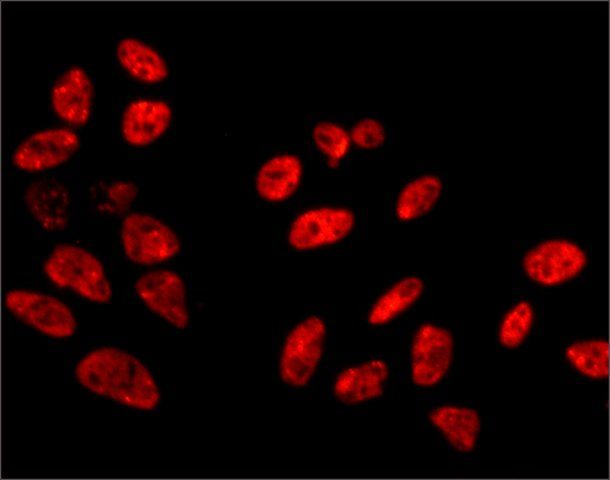
Anti-SFPQ antibody, Mouse monoclonal
The Role of SFPQ in Cellular Processes
The SFPQ protein is involved in multiple cellular functions, affecting cell proliferation and disease pathways. SFPQ plays an important role in maintaining normal cellular activities.
SFPQ in RNA Splicing and Processing
SFPQ is crucial for RNA splicing and processing. It interacts with various RNAs and nuclear proteins to regulate these processes. Dysregulation of SFPQ can lead to aberrant RNA splicing, a feature observed in several diseases.
SFPQ in DNA Repair and Transcription
SFPQ is also involved in DNA repair and transcriptional regulation. Its interaction with other proteins facilitates the repair of DNA damage and modulates transcription. This function is critical for maintaining genomic stability.
SFPQ in Disease Pathways
SFPQ has been implicated in various disease pathways, including cancer and neurodegenerative disorders. Altered SFPQ levels or mislocalization can disrupt normal pathway functions, contributing to disease progression. Western blot analysis can help identify changes in SFPQ expression or modifications associated with these conditions.
SFPQ Protein Structure and Isoforms
Understanding the structure and isoforms of SFPQ protein is essential for grasping its functional significance in cells. The SFPQ protein is known to exist in various isoforms, which are generated through alternative splicing or other post-transcriptional modifications.
Full-Length SFPQ Protein
The full-length SFPQ protein is predominantly localized in the nucleus, where it concentrates in nuclear speckles and paraspeckles. These nuclear structures are involved in RNA processing, indicating that full-length SFPQ plays a crucial role in RNA metabolism.
Short SFPQ Isoforms
In contrast, short SFPQ isoforms have been detected in the cytoplasm, particularly in cancer cells. This differential localization suggests that short SFPQ isoforms may have altered functions in disease states, potentially contributing to cancer progression.
Subcellular Localization of SFPQ Isoforms
The subcellular localization of SFPQ isoforms is a critical determinant of their function. Studies have shown that SFPQ isoforms are differentially localized between the nucleus and cytoplasm, which may serve as a regulatory mechanism controlling their various activities.
| SFPQ Isoform | Localization | Function |
|---|---|---|
| Full-Length | Nucleus | RNA Processing |
| Short | Cytoplasm | Altered functions in disease states |
Principles of Western Blot Analysis
Understanding the principles of Western blot analysis is essential for accurately detecting proteins like SFPQ. Western blot, also known as immunoblotting or protein blotting, is a laboratory technique used to detect and analyze proteins.
Basic Western Blot Methodology
The Western blot process involves several key steps: sample preparation, gel electrophoresis, protein transfer to a membrane, and detection using antibodies. The choice of antibody is critical, as it directly affects the specificity and sensitivity of the assay.
Importance of Antibody Specificity
Antibody specificity is crucial for accurate Western blot results, ensuring that the detected signal truly represents the target protein. High-quality SFPQ antibodies should recognize specific epitopes on the SFPQ protein
To validate antibody specificity, researchers often use siRNA-mediated knockdown experiments. For instance, HeLa cells transfected with SFPQ siRNA showed a decrease in signal intensity when analyzed by Western blot using Anti-SFPQ Polyclonal Antibody, confirming the antibody’s specificity for SFPQ.
SFPQ Antibodies for Western Blot
The effectiveness of Western blot analysis for SFPQ detection largely depends on the antibody used. When selecting SFPQ antibodies for Western blot analysis, researchers should consider the specific isoforms they aim to detect.
Types of SFPQ Antibodies Available
SFPQ antibodies can be categorized based on their specificity and the isoforms they target. Antibodies targeting conserved regions of SFPQ are suitable for detecting all isoforms, while epitope-specific antibodies can distinguish between different variants.
Polyclonal vs Monoclonal SFPQ Antibodies
Both polyclonal and monoclonal antibodies can be used for SFPQ detection. Polyclonal antibodies offer broad reactivity, while monoclonal antibodies provide high specificity. The choice between them depends on the experimental requirements.
Antibody Selection Criteria for SFPQ Detection
When choosing an SFPQ antibody, several factors should be considered, including validation data, species reactivity, clonality, and recommended buffer conditions. Validation data, such as Western blot images showing clear bands at expected molecular weights, should be reviewed to ensure the antibody’s performance.
Additional considerations include the antibody’s performance in different applications, such as Western blot, immunoprecipitation, and immunohistochemistry. By carefully evaluating these factors, researchers can select the most suitable SFPQ antibody for their specific needs.
Effectiveness of SFPQ Antibody in Western Blot Analysis
SFPQ antibody performance in Western blot analysis is essential for accurate protein detection and quantification. We will examine the key factors that determine the effectiveness of SFPQ antibodies in Western blot applications.
Detection Sensitivity and Specificity
The sensitivity and specificity of SFPQ antibodies are critical for reliable Western blot results. Validation studies have shown that high-quality SFPQ antibodies can detect the protein with high sensitivity and specificity.
- siRNA knockdown experiments have demonstrated a significant reduction in SFPQ band intensity, confirming antibody specificity.
- Overexpression studies have shown increased band intensity at the expected molecular weight, validating antibody performance.
Band Patterns and Expected Molecular Weights
Understanding the expected band patterns and molecular weights is crucial for interpreting Western blot results. The SFPQ protein is known to have multiple isoforms, which can be detected using specific SFPQ antibodies.
Validation Studies of SFPQ Antibodies
Validation studies are essential to confirm the specificity and reliability of SFPQ antibodies. We have seen that:
- Cross-reactivity testing ensures that the antibody specifically recognizes SFPQ without binding to similar proteins.
- Published literature and manufacturer validation data provide additional evidence for the effectiveness of specific SFPQ antibodies in Western blot analysis.
By considering these factors, researchers can ensure that their SFPQ antibody is effective for Western blot analysis, providing reliable data for their studies.
Optimizing Western Blot Protocol for SFPQ Detection
To achieve reliable SFPQ detection, it’s essential to fine-tune the Western blot protocol. Optimizing each step of the process ensures accurate and reproducible results.
Sample Preparation Considerations
Efficient sample preparation is critical for successful SFPQ detection. You should consider the type of sample, the lysis buffer used, and the protein concentration to ensure optimal loading onto the gel.
Gel Electrophoresis Parameters
Optimizing gel electrophoresis parameters, such as voltage and running time, is vital for resolving SFPQ proteins. Higher molecular weight isoforms may require adjusted conditions for proper separation.
Transfer and Blocking Conditions

Anti-SFPQ antibody produced in rabbit (1)
Efficient transfer of SFPQ proteins to membranes is crucial. Nitrocellulose membranes are commonly used, though PVDF membranes may offer higher protein binding capacity. Transfer conditions typically include 100V for 60-90 minutes. Blocking solutions containing 5% non-fat dry milk or 3-5% BSA in TBST are effective in reducing background while preserving SFPQ antibody binding. Thorough blocking (1-2 hours at room temperature or overnight at 4°C) helps minimize non-specific binding and improve the signal-to-noise ratio in SFPQ detection.
By optimizing these conditions, you can enhance the sensitivity and specificity of your Western blot analysis for SFPQ detection.
SFPQ Western Blot Applications in Research
Western blot analysis is a powerful tool for studying SFPQ protein expression and interactions in different cellular contexts. By using SFPQ antibodies, researchers can detect and analyze SFPQ protein levels and isoforms in various cell types.
Studying SFPQ Expression Levels
SFPQ expression levels can be quantified using Western blot analysis, providing insights into its role in different cellular processes. Changes in SFPQ expression have been implicated in various diseases, including cancer.
Investigating SFPQ Isoforms
Western blot can be used to detect different SFPQ isoforms, which may have distinct functions in the cell. Investigating these isoforms can help researchers understand the complexity of SFPQ’s role in cellular processes.
SFPQ Protein Interactions
SFPQ protein interactions can be studied using co-immunoprecipitation followed by Western blot analysis. This approach has identified numerous SFPQ binding partners, including other splicing factors and transcription regulators. The SFPQ protein complex plays a crucial role in regulating various cellular processes, and alterations in these interactions have been linked to disease states.
By applying Western blot analysis, researchers can gain a deeper understanding of SFPQ’s role in cellular functions and its potential as a therapeutic target.
SFPQ Western Blot in Cancer Research
The SFPQ protein has emerged as a potential biomarker in cancer research, with its detection via Western blot analysis showing promising results. We will explore how SFPQ expression is linked to various cancer types and its diagnostic potential.
SFPQ Expression in Different Cancer Types
Studies have shown that SFPQ long levels were higher in lung cancer patient serum and serum from other cancer patients than in serum from other diseases. In contrast, SFPQ short levels were found primarily in lung cancer patient serum and serum from other cancer patients, indicating a more cancer-specific change. The presence of short SFPQ isoforms (30-50 kDa) in patient samples strongly correlates with cancer diagnosis, particularly for lung cancer.
SFPQ Isoforms as Cancer Biomarkers
The differential expression of SFPQ isoforms in cancer patients makes them potential biomarkers. Quantitative analysis of SFPQ levels by Western blot can distinguish between benign conditions and malignant disease with high sensitivity and specificity. The short SFPQ isoform, in particular, shows promise as a cancer-specific biomarker.
Diagnostic Potential of SFPQ Detection
Western blot detection of SFPQ isoforms has shown promising diagnostic potential for cancer screening and monitoring. Serial monitoring of SFPQ levels through Western blot analysis may provide valuable information about treatment response and disease recurrence. As stated by a recent study,
This highlights the potential of SFPQ detection in improving cancer diagnosis.
By leveraging the diagnostic potential of SFPQ detection, researchers and clinicians can develop more accurate and effective cancer screening tools. The use of Western blot analysis for SFPQ detection is a significant step forward in this area.
Troubleshooting SFPQ Western Blot Analysis
When conducting SFPQ Western blot analysis, several challenges may arise that require troubleshooting. To achieve reliable SFPQ detection, it’s crucial to address common issues that can impact the accuracy of your results.
Common Issues in SFPQ Detection
One of the primary challenges in SFPQ detection is ensuring the specificity and sensitivity of the antibody used. You may encounter issues such as non-specific binding, weak signal, or inconsistent results across different samples.
Non-specific Binding Problems
Non-specific binding can lead to background noise and obscure the true signal. To mitigate this, you can try titrating primary and secondary antibody concentrations to improve specificity and signal-to-noise ratio. Additionally, extending blocking times can help reduce background.
Optimization Strategies
Several optimization strategies can enhance SFPQ detection. Optimizing transfer conditions, such as longer transfer times for high molecular weight SFPQ isoforms, can improve detection sensitivity. Using freshly prepared samples and adding protease inhibitors can prevent SFPQ degradation and enhance band clarity. Testing different membrane types and detection methods can also help identify optimal conditions for specific SFPQ isoforms.
| Optimization Strategy | Benefit |
|---|---|
| Titrating antibody concentrations | Improved specificity and signal-to-noise ratio |
| Extended blocking times | Reduced background noise |
| Optimizing transfer conditions | Enhanced detection sensitivity for high molecular weight isoforms |
| Using freshly prepared samples with protease inhibitors | Prevents SFPQ degradation and improves band clarity |
Case Study: SFPQ Detection in Lung Cancer Samples
Our case study focused on the detection and analysis of SFPQ protein in lung cancer samples. We aimed to understand the potential of SFPQ as a biomarker for clinical applications.
Experimental Setup
We used Western blot analysis to detect SFPQ protein levels in lung cancer tissues. The experimental setup involved optimizing the Western blot protocol for SFPQ detection.
Results and Interpretation
The results showed that the short SFPQ isoform was predominantly present in the cytoplasm of lung cancer cells. This distinctive pattern of SFPQ isoform expression could serve as a potential biomarker for lung cancer.
Clinical Implications
The findings suggest that SFPQ detection by Western blot could be a valuable diagnostic tool for identifying lung cancer. SFPQ expression levels correlated with clinical parameters, including tumor stage and grade, indicating prognostic value.
| SFPQ Isoform | Localization | Clinical Significance |
|---|---|---|
| Short SFPQ Isoform | Cytoplasm of lung cancer cells | Potential biomarker for lung cancer |
| Full-Length SFPQ | Nucleus | Involved in RNA splicing and processing |
Comparing SFPQ Antibody Products for Western Blot
When it comes to detecting SFPQ protein via Western blot, the choice of antibody is crucial. We compare two popular SFPQ polyclonal antibodies, PA5-29948 and PA5-19663, to help you make an informed decision.
SFPQ Polyclonal Antibody PA5-29948
SFPQ Polyclonal Antibody PA5-29948 is used at a 1:5000 dilution for Western blot applications, demonstrating high sensitivity while maintaining strong signal detection.
SFPQ Polyclonal Antibody PA5-19663
In contrast, SFPQ Polyclonal Antibody PA5-19663 is used at a 1:1000 dilution. It shows broader reactivity across species and sample types, making it suitable for comparative studies.
Performance Comparison
A comparative analysis reveals differences in sensitivity, specificity, and optimal working conditions between PA5-29948 and PA5-19663. Both effectively detect the full-length SFPQ at 100-120 kDa but differ in recognizing shorter isoforms. The choice between these antibodies should be based on specific experimental needs, including target isoforms, sample types, and detection sensitivity requirements.
Alternative Methods for SFPQ Protein Detection
Besides Western blot analysis, several alternative methods are available for detecting SFPQ protein. These methods offer researchers flexibility and a range of options for studying SFPQ in various biological contexts.
Immunohistochemistry (IHC)
Immunohistochemistry is a valuable technique for detecting SFPQ protein in tissue samples. It allows for the visualization of SFPQ localization within cells and tissues, providing insights into its role in disease pathology.
Immunofluorescence (IF)
Immunofluorescence is another powerful method for detecting SFPQ. It enables researchers to study the subcellular localization of SFPQ and its interactions with other proteins within cells.
ELISA for SFPQ Detection
Enzyme-Linked Immunosorbent Assay (ELISA) provides a quantitative measurement of SFPQ levels in biological samples, including serum and cell lysates. Specialized ELISA systems have been developed to distinguish between different SFPQ isoforms, with detection limits as low as 20 pg/mL. ELISA detection of SFPQ in serum samples offers a minimally invasive approach for monitoring SFPQ levels in clinical settings.
SFPQ Western Blot in Neurodegenerative Disease Research
The role of SFPQ in neurodegenerative diseases has garnered significant attention in recent research. We will explore how Western blot analysis is utilized to study SFPQ expression and its implications in neurodegenerative disease research.
SFPQ Role in Neuronal Function
SFPQ plays a crucial role in neuronal function, affecting processes such as RNA splicing and transcriptional regulation. Its dysregulation has been linked to various neurodegenerative disorders.
SFPQ Mislocalization in Neurodegeneration
In neurodegenerative diseases, SFPQ often undergoes mislocalization, leading to its accumulation in cytoplasmic inclusions. This mislocalization disrupts normal neuronal function and contributes to disease pathology.
Western Blot Applications in Neurological Studies
Western blot analysis is a valuable tool for studying SFPQ in neurological diseases. It allows researchers to investigate SFPQ expression levels, isoform patterns, and post-translational modifications.
Some key applications of Western blot in SFPQ research include:
- Investigating SFPQ expression and localization changes in neurological disease models.
- Comparative studies between healthy and diseased brain tissues reveal disease-specific alterations in SFPQ levels and isoform patterns.
- Detecting post-translational modifications of SFPQ provides insights into regulatory mechanisms affected in neurological disorders.
| Disease | SFPQ Expression Change | Implication |
|---|---|---|
| Alzheimer’s Disease | Increased | Contributes to amyloid plaque formation |
| Frontotemporal Dementia | Altered Isoform Patterns | Affects neuronal survival |
| Amyotrophic Lateral Sclerosis (ALS) | Cytoplasmic Mislocalization | Disrupts normal RNA processing |
Future Perspectives in SFPQ Protein Research
The multifaceted nature of SFPQ protein makes it an intriguing subject for ongoing and future research. As we delve deeper into the complexities of SFPQ, its role in various diseases, particularly in cancer, becomes increasingly evident.
Emerging Technologies for SFPQ Detection
Advancements in Western blot analysis and other detection methods are enhancing our understanding of SFPQ expression patterns. Emerging technologies will likely improve the sensitivity and specificity of SFPQ detection, facilitating further research.
SFPQ as a Therapeutic Target
Given that SFPQ is elevated in lung cancer, and the short SFPQ isoform is exclusively elevated in the cytoplasm of lung cancer cells, it may serve as a specific marker for NSCLC. This makes SFPQ an attractive target for therapeutic intervention.
Research Gaps and Opportunities
Several aspects of SFPQ biology remain poorly understood, creating opportunities for future research. Key areas include:
- Investigating the regulatory mechanisms controlling SFPQ isoform expression.
- Exploring the functional significance of specific post-translational modifications of SFPQ.
- Validating SFPQ as a diagnostic biomarker in larger clinical cohorts.
Conclusion
The SFPQ protein plays an important role in various cellular processes, and its dysregulation is associated with several diseases. Western blot analysis using SFPQ antibodies provides a powerful tool for detecting and studying SFPQ protein in research and clinical applications.
The technique enables detection of different SFPQ isoforms, quantification of expression levels, and analysis of subcellular localization. As our understanding of SFPQ biology expands, Western blot analysis will remain essential for advancing research and translating findings into clinical applications.
- SFPQ plays a crucial role in multiple cellular processes, and its dysregulation is associated with various diseases.
- The specificity and sensitivity of SFPQ antibodies continue to improve, enhancing the reliability of SFPQ detection.
- Future research will focus on developing more sensitive methods for SFPQ detection and exploring its potential as a diagnostic biomarker.
In summary, the detection of SFPQ protein via Western blot analysis is a vital technique in biomedical research, offering insights into disease pathology and potential therapeutic targets.
References and further readings:
1.Kim, S. Y., Kim, J. H., & Park, S. H. (2020). Optimization of Pipetting Techniques for Precise Cell Seeding in
Cell Culture Dishes. Journal of Laboratory Automation, 25(5), 487 – 494.
2.Li, X., Wang, Y., & Zhang, Y. (2021). Selection and Application of Sealing Films in Cell Culture: A Comprehensive Review. Cell Culture and Biotechnology, 12(3), 156 – 165.
3.Smith, J. A., Johnson, L. M., & Brown, R. E. (2019). Considerations for Pairing Pipettes and Cell Culture Dishes in High – Throughput Cell – Based Assays. Assay and Drug Development Technologies, 17(6), 455 – 463.
FAQ
What is the role of SFPQ protein in RNA splicing?
SFPQ protein plays a crucial role in RNA splicing by binding to specific RNA sequences and regulating the splicing process. It is involved in the regulation of gene expression and is essential for maintaining proper cellular function.
How does SFPQ protein contribute to DNA repair?
SFPQ protein is involved in the DNA repair pathway, where it helps to maintain genome stability by facilitating the repair of DNA damage. Its dysregulation has been implicated in various diseases, including cancer.
What are the different isoforms of SFPQ protein?
SFPQ protein exists in multiple isoforms, which are generated through alternative splicing. These isoforms have distinct subcellular localizations and functions, and their dysregulation has been linked to various diseases.
How is SFPQ protein detected using Western blot analysis?
SFPQ protein can be detected using Western blot analysis with specific antibodies that recognize the protein. The choice of antibody is critical, as it affects the sensitivity and specificity of the detection.
What are the applications of SFPQ Western blot in research?
SFPQ Western blot is used in research to study SFPQ expression levels, investigate SFPQ isoforms, and examine SFPQ protein interactions. It has applications in cancer research, neurodegenerative disease research, and other fields.
How can I optimize my Western blot protocol for SFPQ detection?
To optimize your Western blot protocol for SFPQ detection, consider factors such as sample preparation, gel electrophoresis parameters, and transfer and blocking conditions. Choosing the right antibody and following proper protocol can help improve detection sensitivity and specificity.
What are the common issues encountered in SFPQ Western blot analysis?
Common issues in SFPQ Western blot analysis include non-specific binding, low signal intensity, and incorrect band patterns. Troubleshooting these issues requires careful examination of the experimental conditions and optimization of the protocol.
Can SFPQ protein be detected using alternative methods?
Yes, SFPQ protein can be detected using alternative methods such as immunohistochemistry (IHC), immunofluorescence (IF), and ELISA. These methods offer different advantages and can be used to complement Western blot analysis.
Leo Bios
Hello, I’m Leo Bios. As an assistant lecturer, I teach cellular and
molecular biology to undergraduates at a regional US Midwest university. I started as a research tech in
a biotech startup over a decade ago, working on molecular diagnostic tools. This practical experience
fuels my teaching and writing, keeping me engaged in biology’s evolution.

Leave a Comment
Your email address will not be published. Required fields are marked *