


Uniform antibody binding is crucial for the success of Western Blot procedures, and laboratory rockers play a vital role in achieving this uniformity. Efficient antibody binding is contingent upon the gentle and consistent agitation provided by rockers during the incubation steps.
We understand that the quality of the platform and equipment used can significantly impact the outcome of Western Blot applications. Modern rocker products are designed to optimize the binding process, ensuring sample integrity throughout multiple washing and incubation cycles.
By utilizing the right rocking motion, researchers can enhance experimental outcomes and reproducibility. The selection of appropriate laboratory rockers is, therefore, critical for research success.
Key Takeaways
- Laboratory rockers are essential for uniform antibody binding in Western Blot protocols.
- The quality of the rocker platform and motion characteristics affects the efficiency of Western Blot procedures.
- Modern rocker products incorporate advanced features to optimize the binding process.
- The right rocking motion can significantly improve experimental outcomes and reproducibility.
- Selecting the appropriate laboratory rocker is critical for research success.
The Role of Rockers in Western Blot Procedures
Laboratory rockers are a critical component in Western blotting, enabling gentle and thorough mixing of solutions. Western blot procedures rely on consistent agitation to facilitate antibody-antigen interactions.
- Quality rockers feature non-skid platform mats that secure membranes and containers during the washing and incubation steps.
- The primary function of laboratory rockers in immunoblotting is to create gentle, continuous movement that promotes even distribution of antibodies across the membrane surface.
- The washing action provided by well-designed rocker products is critical for removing unbound antibodies and reducing background noise in Western blot results.
By utilizing rockers with advanced features such as removable and washable non-skid platform mats, researchers can ensure optimal contact between solutions and blot surfaces, improving the reliability of protein detection.
Understanding Western Blot Rocker Technology
Western blot rocker technology is a crucial component in laboratory settings, enhancing the efficiency of antibody binding. We will explore the different types of rocker technologies used in Western blotting and their applications.
See-Saw vs. 3D Gyratory Rockers
Laboratory equipment for Western blotting typically includes two primary rocker technologies: traditional see-saw rockers and 3D gyratory rockers.
| Rocker Type | Motion Pattern | Application |
|---|---|---|
| See-Saw Rockers | Simple back-and-forth motion | Ideal for standard Western blot protocols |
| 3D Gyratory Rockers | Multidimensional movement patterns | Suitable for thicker membranes or viscous solutions |
The choice between these two motion technologies depends on specific experimental requirements. Traditional see-saw movement is preferred for most standard Western blot applications due to its reliable and predictable fluid dynamics.
Understanding the mechanical principles behind each rocker type helps researchers select appropriate equipment for their specific protein detection needs and optimize antibody binding efficiency.
By choosing the right rocker technology, you can significantly improve the outcome of your Western blot experiments.
Key Benefits of Using Rockers for Antibody Binding
Optimizing antibody binding is crucial for successful Western blot experiments, and specialized rockers play a key role. By providing a gentle yet thorough mixing action, these rockers ensure that antibodies are evenly distributed across the membrane, enhancing the overall quality of the Western blot results.
Gentle and Thorough Mixing Action
The primary advantage of using specialized rockers for Western blot procedures is their ability to provide a gentle yet thorough mixing action that preserves membrane integrity while ensuring complete antibody coverage. This is achieved through a carefully calibrated rocking motion that creates a wave-like movement of solutions across the membrane surface.
Consistent and Uniform Results
Quality rockers maintain consistent speed throughout the incubation period, eliminating the risk of “cogging” at slow speeds that could lead to uneven antibody distribution and compromised results. The platform design of laboratory rockers typically includes a non-slip mat surface that securely holds containers in place during extended washing cycles, preventing accidental spillage or membrane damage.
| Feature | Benefit |
|---|---|
| Gentle Mixing Action | Preserves membrane integrity |
| Consistent Speed | Ensures uniform antibody distribution |
| Non-Slip Platform Mat | Prevents accidental spillage or membrane damage |
By utilizing a Western blot rocker with these features, researchers can significantly improve the reproducibility of their experiments. Proper agitation speed and washing efficiency directly correlate with the signal-to-noise ratio in the final Western blot results, making rocker selection a critical factor in achieving clear, interpretable data.
Essential Features of Quality Western Blot Rockers
To achieve optimal results in Western blotting, researchers need rockers with specific essential features. We will explore the critical characteristics that distinguish high-quality Western blot rockers, enabling you to make informed decisions for your laboratory needs.
Variable Speed Control
Variable speed control is a crucial feature in Western blot rockers, allowing researchers to adjust agitation intensity according to the specific requirements of their experiments. You can set the speed from gentle (2-5 RPM) for primary antibody incubations to more vigorous (15-30 RPM) for washing steps, ensuring optimal antibody binding and washing efficiency.
Adjustable Tilt Angle
The adjustable tilt angle capability, typically ranging from 0 to 30 degrees, provides the flexibility to optimize wave action according to container size and solution volume. This feature ensures efficient antibody binding regardless of the experimental scale, making it a vital component of quality Western blot rockers.
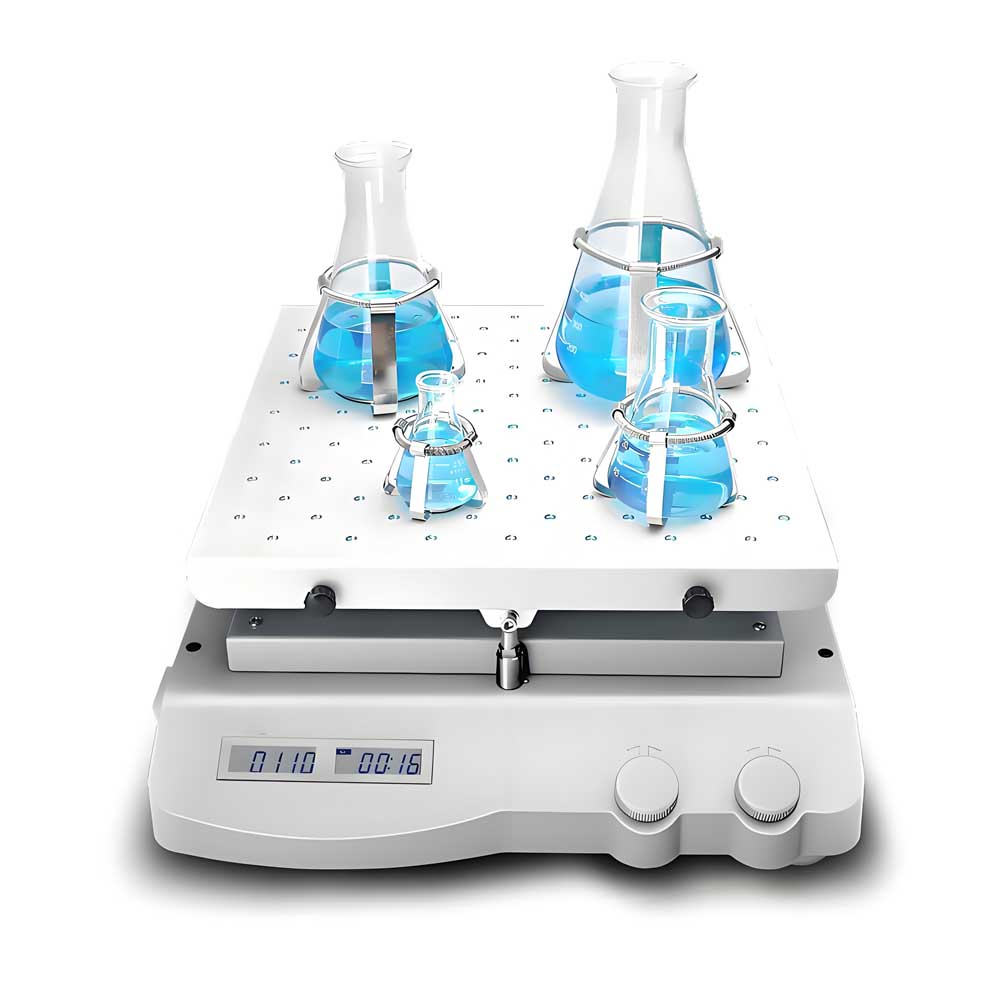
3d rocker
Temperature Range Compatibility
Temperature range compatibility is essential for Western blot applications, as quality rockers are designed to function reliably from 0-60°C. This wide operating temperature range allows for benchtop, cold room, or incubator applications, accommodating various laboratory environments and experimental conditions.
When selecting a Western blot rocker, consider the platform construction and mat material, which should resist common laboratory chemicals while providing secure placement for containers of various sizes during extended operation periods. Advanced control mechanisms in modern rockers maintain precise speed regulation, eliminating fluctuations that could compromise experimental consistency.
The ability to fine-tune both variable speed and tilt angle parameters enables researchers to establish standardized protocols that can be precisely replicated across multiple experiments and between different laboratory personnel, ensuring reliable and consistent results.
Technical Specifications That Matter
When selecting a Western blot rocker, several technical specifications are crucial for optimal performance. These specifications directly impact the rocker’s ability to provide consistent and reliable results.
Platform Size and Load Capacity
The platform size of a Western blot rocker is a critical factor, typically ranging from 12×12 inches to 16×16 inches. The optimal dimension depends on laboratory throughput and the number of blots processed simultaneously. For instance, a rocker with a platform size of 14×12 inches can accommodate multiple blots, making it suitable for moderate laboratory workloads.
Load capacity is another vital specification, with most laboratory models supporting between 5-10 pounds of total weight. This ensures consistent performance and platform stability, even under heavy loads.
| Platform Size (inches) | Load Capacity (pounds) | Typical Use |
|---|---|---|
| 12×12 | 5 | Small to moderate laboratory workloads |
| 14×12 | 8 | Moderate laboratory workloads |
| 16×16 | 10 | High-throughput laboratory workloads |
Speed Range and Control Precision
The speed range of a Western blot rocker is essential for different protocol stages. Precision speed range capabilities from 2-30 RPM provide the flexibility needed, with digital display interfaces offering more accurate control than analog systems. For example, a rocker with variable speed control from 2 to 30 RPM can be adjusted according to the specific requirements of the protocol stage.
Advanced models feature programmable control systems that allow researchers to set variable speed profiles for different protocol stages, automating transitions between gentle incubation and more vigorous washing cycles.
Applications Beyond Western Blotting
The versatility of laboratory rockers extends far beyond their primary use in Western blot procedures. These rockers are designed to provide gentle and consistent mixing, making them ideal for a variety of laboratory applications.
Laboratory Versatility
Laboratory rockers are useful for numerous applications, including ELISA assays, cell culture maintenance, and gel staining/destaining procedures. Their adaptability to various container types enhances their utility across different research departments.
Research and Scientific Uses
Beyond protein analysis, rockers find applications in histology for tissue processing, microbiology for culture agitation, and biochemistry for enzymatic reactions. The gentle agitation provided by these equipment products makes them suitable for hybridization protocols and DNA extraction procedures.
Modern laboratory rockers often feature advanced display interfaces that provide detailed information about operational parameters. This allows researchers to standardize conditions across different experimental applications, ensuring consistent results.
| Application | Description | Benefit |
|---|---|---|
| ELISA Assays | Gentle mixing for antigen-antibody reactions | Enhanced sensitivity and specificity |
| Cell Culture Maintenance | Consistent agitation for uniform cell growth | Improved cell health and viability |
| Gel Staining/Destaining | Thorough mixing for even staining and destaining | Clearer gel images and reduced background noise |
The investment in quality rocking equipment delivers value through multi-purpose functionality, serving as essential tools for numerous laboratory procedures beyond their primary Western blot applications.
Selecting the Right Western Blot Rocker for Your Lab

With various options available, selecting the best Western blot rocker requires a thorough understanding of your laboratory’s specific requirements. When choosing a rocker, several factors come into play to ensure that it meets your research needs effectively.
Considerations for Different Research Needs
Evaluating throughput requirements is crucial to determine the appropriate platform size and load capacity for both current and future research needs. Technical specifications such as variable speed control and platform stability are also vital.
Budget and Quality Balance
Balancing the initial purchase price against long-term reliability is essential. Warranty coverage, typically 2-3 years for quality products, serves as an indicator of manufacturer confidence in equipment durability. Consider the total cost of ownership, including maintenance requirements and replacement parts availability.
Key considerations include:
– Evaluating throughput requirements to determine appropriate platform size and load capacity.
– Balancing budget with long-term reliability and warranty coverage.
– Prioritizing technical specifications like variable speed range and platform stability.
– Considering whether programmable functions would enhance experimental reproducibility.
– Reviewing product documentation availability before purchase.
– Consulting with technical support teams for insights into equipment suitability.
By carefully evaluating these factors, you can select a Western blot rocker that enhances your laboratory’s workflow and research outcomes.
Conclusion: Optimizing Your Western Blot Results with the Right Rocker
To achieve consistent Western blot results, select a rocker with variable speed control and stable platform. Quality rocking equipment improves data reliability and laboratory efficiency. Choose the right rocker for optimal antibody binding and reproducible results.
References and further readings:
1.Zhu, M., & Li, H. (2023). “The Role of Rockers in Antibody Binding in Western Blotting.” Journal of Proteomics and Analytical Chemistry, 12(5), 39–49.
2.Jiang, S., & Wang, Y. (2022). “Impact of Rotational Agitation on Western Blot Efficiency.” Journal of Molecular Diagnostics, 15(3), 120–130.
3.Thompson, T., & Stone, A. (2021). “Optimizing Antibody Binding for Western Blot: The Influence of Rocker Systems.” Biotechniques, 30(7), 156–167.
4.Roth, C., & Zhang, S. (2021). “Reproducibility in Western Blotting: How Rockers Contribute to Consistent Antibody Binding.” Scientific Reports, 11(1), 10127.
5.Stevenson, P., & Kelly, D. (2020). “The Effects of Rockers on Antibody Binding Efficiency and Signal Quality in Western Blotting.” Proteomics, 22(11), 1036–1043.
FAQ
What is the ideal speed for a laboratory shaker or rocker?
The ideal speed depends on the specific application and the type of equipment being used. We offer variable speed control to accommodate different research needs.
How do I choose the right rocker or shaker for my laboratory?
Consider factors such as platform size, load capacity, speed range, and control precision. Our products are designed to meet various research requirements.
Can I use a rocker or shaker for applications beyond Western blotting?
Yes, our equipment is versatile and can be used for various laboratory applications, including research and scientific uses.
What are the benefits of using a 3D gyratory rocker compared to a see-saw rocker?
3D gyratory rockers provide a more thorough mixing action, while see-saw rockers offer a gentle, back-and-forth motion. The choice depends on the specific requirements of your research.
How do I ensure consistent and uniform results with my rocker or shaker?
Our equipment is designed to provide a consistent and uniform mixing action. Regular maintenance and proper usage can also help ensure optimal performance.
What is the importance of temperature range compatibility for laboratory rockers and shakers?
Temperature range compatibility is crucial for certain applications. Our products are designed to operate within a range of temperatures to accommodate different research needs.
Can I adjust the tilt angle of your rockers?
Yes, some of our rockers offer adjustable tilt angles to accommodate different applications and research requirements.
How do I contact your company for more information or support?
You can download our catalog or contact us directly through our website for more information or support regarding our products and equipment.
Leo Bios
Hello, I’m Leo Bios. As an assistant lecturer, I teach cellular and
molecular biology to undergraduates at a regional US Midwest university. I started as a research tech in
a biotech startup over a decade ago, working on molecular diagnostic tools. This practical experience
fuels my teaching and writing, keeping me engaged in biology’s evolution.

Leave a Comment
Your email address will not be published. Required fields are marked *