

This immunological marker plays a critical role in immune response regulation. Scientists use it to advance immunotherapy development and autoimmune disease research.
The value of isotype control antibodies cannot be overstated in rigorous scientific investigation. These matched negative controls account for non-specific binding patterns. They ensure experimental accuracy across in vivo validation studies. You gain confidence in your results through proper control implementation.
We examine the molecular characteristics, applications, and selection criteria that position these research reagents as essential tools. Our comprehensive guide helps you understand epitope recognition advantages and validation techniques for your specific research objectives.
Key Takeaways
- CD86 functions as a costimulatory molecule expressed on immune-competent antigen-presenting cells critical for immune response regulation
- Rabbit-derived formats offer superior epitope recognition and binding affinity compared to traditional mouse-derived alternatives
- Isotype-matched controls are essential for eliminating non-specific binding artifacts in experimental systems
- These research tools support cancer immunotherapy development and autoimmune disease investigation
- Proper antibody selection ensures accurate therapeutic target validation in vivo
- Understanding molecular characteristics guides appropriate formulation selection for specific research applications
Introduction to CD86 Rabbit Monoclonal Antibodies
The advancement of immunotherapy research depends heavily on precise molecular tools, with CD86 rabbit monoclonal antibodies serving as critical instruments for costimulatory molecule detection. These specialized antibodies enable researchers to investigate immune system function at the molecular level. Understanding CD86 biology and the technological foundation of rabbit-derived monoclonal antibodies provides essential knowledge for selecting appropriate research tools.
We provide comprehensive foundational knowledge to support your research applications. The combination of CD86’s biological significance and rabbit antibody technology creates powerful research capabilities. This section establishes the scientific basis for informed antibody selection and application strategies.
Understanding the CD86 Molecule
CD86 functions as a member of the B7 family proteins that regulate immune system responses. This molecule appears on the surface of antigen-presenting cells, including dendritic cells, macrophages, and activated B cells. As an immune cell marker, CD86 serves a critical role in identifying and characterizing these specialized cell populations.
The expression of CD86 increases significantly during immune cell activation, making it a valuable indicator of cellular state. This molecule interacts directly with CD28 receptors on T cells, delivering essential signals required for T cell activation. Without this costimulatory signal, T cells cannot achieve full activation, highlighting CD86’s importance in immune response regulation.
You can utilize CD86 as a reliable immune cell marker for multiple research applications. The molecule’s upregulation during activation provides researchers with a measurable parameter for assessing cellular responses. This characteristic makes CD86 particularly valuable for studies examining immune system dynamics and therapeutic interventions.
The Significance of Monoclonal Antibody Technology
Monoclonal antibodies represent a revolutionary advancement in biological research and therapeutic development. Scientists developed hybridoma technology in the 1970s, creating a method to produce antibodies with exceptional specificity. This technology enables the generation of antibodies from a single B cell clone, ensuring consistent performance across experiments.
Unlike polyclonal antibodies, which contain mixtures of antibodies targeting different epitopes, monoclonal antibodies recognize a single, specific epitope. This precision eliminates variability and enhances reproducibility in research applications. You benefit from this specificity when conducting experiments requiring accurate protein detection and cellular phenotyping.
The importance of monoclonal antibodies extends across numerous scientific disciplines. These tools enable researchers to target human antigens with unprecedented accuracy. Their consistency makes them indispensable for diagnostic applications, functional studies, and therapeutic development programs.
Advantages of Rabbit-Derived Monoclonal Antibodies
Rabbit monoclonal antibodies offer distinct advantages over traditional mouse-derived alternatives. The rabbit immune system possesses unique architectural features that generate antibodies with superior binding characteristics. Rabbits maintain a larger antibody repertoire, enabling recognition of epitopes that may be poorly immunogenic in mouse systems.
Rabbit B cells undergo more extensive somatic hypermutation during antibody maturation. This process produces antibodies with higher affinity and specificity compared to mouse antibodies. The enhanced mutation rate allows rabbit immune systems to fine-tune antibody binding properties, resulting in tools with exceptional performance characteristics.
Scientists adapted the original mouse hybridoma system to create rabbit hybridoma technology. This advancement enables production of rabbit monoclonal antibodies against tumor antigens and other challenging targets. You gain access to antibodies capable of detecting low-abundance targets and recognizing epitopes unavailable through mouse immunization.
The selection of rabbit monoclonal antibodies becomes particularly valuable when your research demands high sensitivity. These antibodies excel in applications where epitope availability is limited or target expression levels are low. Their superior affinity characteristics translate directly into improved signal-to-noise ratios and more reliable experimental outcomes.
Research applications requiring precise costimulatory molecule detection benefit significantly from rabbit monoclonal antibody technology. The combination of CD86’s biological importance and rabbit antibody capabilities creates research tools optimized for demanding experimental requirements. We recommend considering these factors when selecting antibodies for your specific research objectives.
Mechanism of Action of CD86
Understanding how CD86 functions at the molecular level provides essential insights for therapeutic target validation and drug development. This costimulatory molecule operates through sophisticated cellular pathways that regulate immune system activation and response intensity. The CD86 Rabbit Monoclonal Antibody enables researchers to investigate these mechanisms with precision and specificity.
CD86 functions as a type I transmembrane glycoprotein expressed on the surface of professional antigen-presenting cells. The molecule delivers critical signals that determine whether T cells become activated or remain in a resting state. This regulatory function positions CD86 as a central control point in T cell costimulation and immune system homeostasis.
Role in Immune Response
The immune system requires two distinct signals to achieve complete T cell activation and prevent inappropriate immune responses. The first signal originates from T cell receptor engagement with peptide-MHC complexes on antigen-presenting cells. The second signal derives from costimulatory molecule interactions between CD86 and CD28 receptors.
Without both signals present, T cells enter a state of anergy or unresponsiveness. This two-signal model serves as a fundamental safety mechanism that prevents autoimmune reactions and maintains immune tolerance to self-antigens.
CD86 expression appears on specific immune cell populations that play key antigen presentation roles:
- B cells – Display CD86 upon activation and during antibody responses
- Dendritic cells – Express high CD86 levels when presenting antigens to naive T cells
- Macrophages – Upregulate CD86 during inflammatory conditions and pathogen encounters
- Activated monocytes – Show increased CD86 expression in response to immune stimulation
The CD86-CD28 interaction triggers intracellular signal transduction cascades that profoundly affect T cell behavior. These signaling pathways activate phosphatidylinositol 3-kinase (PI3K) and protein kinase B (AKT), which promote cell survival signals and metabolic reprogramming. You can utilize CD86 Rabbit Monoclonal Antibody tools to map these signaling events through blocking studies and phosphorylation analysis.
Costimulatory signals enhance cytokine production, particularly interleukin-2 (IL-2), which drives T cell proliferation. The signals also upregulate anti-apoptotic proteins that extend T cell survival during immune responses.
Interaction with T Cell Receptors
CD86 engages with two distinct receptors on T cells, creating a sophisticated regulatory balance. The molecule binds to CD28 with moderate affinity, delivering activating signals that promote immune responses. CD86 also interacts with CTLA-4 (CD152) with substantially higher affinity, transmitting inhibitory signals that dampen activation.
This dual ligand capability establishes CD86 as a molecular switch within immune checkpoint pathways. When CD28 engagement predominates, T cells receive activation signals that support proliferation and effector function. When CTLA-4 binding increases, inhibitory signals prevent excessive immune activation and tissue damage.
The competition between CD28 and CTLA-4 for CD86 binding represents a critical regulatory mechanism. CTLA-4 expression increases after T cell activation, providing negative feedback that terminates immune responses. This temporal regulation ensures appropriate immune activation without causing inflammatory pathology.
Signal transduction pathways downstream of CD86-CD28 interactions differ substantially from those triggered by CD86-CTLA-4 binding. CD28 engagement activates growth-promoting pathways, while CTLA-4 engagement recruits phosphatases that inhibit T cell receptor signaling.
Importance in Therapeutic Applications
The central role of CD86 in immune regulation makes this molecule an attractive therapeutic target across multiple disease categories. Cancer immunotherapy strategies increasingly focus on modulating costimulatory pathways to enhance anti-tumor immune responses. Blocking inhibitory checkpoints or enhancing activating signals can restore T cell function against malignant cells.
We observe significant therapeutic potential in these application areas:
- Checkpoint inhibitor therapy – Targeting CD86-CTLA-4 interactions to release immune brakes
- Vaccine adjuvants – Enhancing CD86 expression to improve vaccine immunogenicity
- Autoimmune disease treatment – Dampening excessive immune activation through immune checkpoint pathways
- Transplant tolerance – Modulating costimulatory signals to prevent organ rejection
Autoimmune disease research investigates CD86 as a potential target for reducing pathogenic immune responses. Blocking CD86-CD28 interactions can prevent T cell activation that drives tissue damage in conditions like rheumatoid arthritis and inflammatory bowel disease.
You can utilize CD86 Rabbit Monoclonal Antibody reagents to validate these therapeutic targets through multiple experimental approaches. In vivo blocking studies assess the functional consequences of CD86 pathway interruption. Expression profiling reveals CD86 levels in disease states compared to healthy tissues. Functional assays evaluate how immunomodulatory interventions affect costimulatory molecule expression and T cell responses.
The specificity and affinity of rabbit monoclonal antibodies provide advantages for these validation studies. These tools enable precise detection of CD86 in complex biological samples and accurate quantification of expression changes during disease progression or treatment.
Applications of CD86 Rabbit Monoclonal Antibodies
The versatility of CD86 rabbit monoclonal antibodies extends throughout modern biomedical research, enabling breakthrough discoveries in cancer, autoimmune disorders, and infectious disease studies. These specialized antibodies provide researchers with powerful tools for characterizing immune cell activation and evaluating therapeutic responses across multiple disease contexts. We recognize that understanding practical applications helps you select appropriate methodologies for your specific research objectives, whether investigating Dendritic Cell Analysis or examining complex immune interactions.
Use in Cancer Immunotherapy
Cancer immunotherapy research depends heavily on accurate characterization of the tumor microenvironment and immune cell populations. CD86 rabbit monoclonal antibodies enable researchers to identify and quantify activated immune cells within tumor tissues through Immunohistochemistry CD86 protocols. This approach reveals the distribution and density of CD86-positive cells, providing critical insights into the immunological landscape of malignancies.
You can employ these antibodies for comprehensive immune profiling using flow cytometry techniques. Multi-parameter analysis identifies CD86 expression across various immune cell subsets simultaneously, including dendritic cells, macrophages, and B cells. Dendritic Cell Analysis represents a particularly valuable application, as these professional antigen-presenting cells express elevated CD86 levels upon maturation and activation.
Key applications in cancer research include:
- Assessment of immune checkpoint expression patterns within the tumor microenvironment
- Evaluation of vaccine efficacy through monitoring dendritic cell activation status
- Biomarker identification for predicting immunotherapeutic treatment responsiveness
- Characterization of tumor-infiltrating immune cell populations using immune profiling techniques
- Quantification of treatment-induced changes in antigen-presenting cell activation
The expression levels of CD86 on tumor-infiltrating dendritic cells and macrophages serve as biomarkers for immune activation. Researchers utilize Immunohistochemistry CD86 methods to correlate expression patterns with clinical outcomes and therapeutic efficacy. This information guides treatment selection and helps predict patient responses to immunotherapy interventions.
Applications in Autoimmune Diseases
Autoimmune disease research benefits significantly from CD86 rabbit monoclonal antibodies in investigating aberrant immune activation mechanisms. These conditions frequently feature dysregulated costimulatory molecule expression, with elevated CD86 contributing to excessive T cell activation and subsequent tissue damage. You can examine expression patterns in affected tissues to understand disease pathogenesis and progression.
CD86 antibodies facilitate immune profiling in autoimmune contexts by revealing activation states of antigen-presenting cells. Researchers correlate expression levels with disease severity scores, helping identify therapeutic targets within costimulatory pathways. Animal models of experimental autoimmune encephalomyelitis, lupus, and rheumatoid arthritis utilize these antibodies for mechanistic studies and therapeutic validation.
Applications in autoimmune research encompass:
- Investigation of T cell costimulation in disease development and progression
- Evaluation of therapeutic interventions targeting CD86-CD28 interactions
- Monitoring treatment responses through serial tissue or blood sample analysis
- Identification of disease biomarkers for early diagnosis and prognosis
We understand that therapeutic validation requires precise characterization of immune dysregulation. CD86 rabbit monoclonal antibodies provide the specificity and sensitivity necessary for detecting subtle changes in costimulatory molecule expression during disease states and following therapeutic interventions.
Role in Infectious Diseases
Infectious disease research leverages CD86 antibodies to investigate host-pathogen interactions and antimicrobial immunity. Pathogen recognition through pattern recognition receptors triggers CD86 upregulation on antigen-presenting cells, initiating adaptive immune responses essential for pathogen clearance. This makes CD86 expression a valuable indicator of immune system activation during infections.
You can apply these antibodies across multiple experimental systems, including in vitro cellular assays, ex vivo tissue analysis, and in vivo animal models. Dendritic Cell Analysis reveals how different pathogens influence antigen-presenting cell maturation and subsequent T cell priming. Vaccine development studies utilize CD86 antibodies to assess immunogen efficacy by measuring induced activation of professional antigen-presenting cells.
Research applications in infectious diseases include:
- Characterization of immune responses to bacterial, viral, and parasitic infections
- Evaluation of vaccine-induced immunity through antigen-presenting cell activation assessment
- Investigation of infection-induced immunopathology and excessive immune activation
- Study of immune evasion mechanisms employed by various pathogens
CD86 plays a dual role in infectious disease contexts, both promoting protective immunity and potentially contributing to immunopathology when dysregulated. Researchers examine this balance to develop therapeutic strategies that enhance pathogen clearance while minimizing tissue damage from excessive inflammation. These antibodies enable precise monitoring of activation states throughout infection courses and therapeutic interventions.
Validation and Assay Techniques
The success of any antibody-based research depends on implementing comprehensive validation strategies and appropriate experimental controls. We provide guidance on essential methodologies that ensure your CD86 rabbit monoclonal antibody delivers reliable, reproducible results across diverse research applications. Proper antibody validation eliminates experimental uncertainty and strengthens the scientific conclusions drawn from your data.
Research grade monoclonal antibodies undergo rigorous screening processes before reaching your laboratory. These antibodies are tested through multiple quality control checkpoints to confirm their specificity and performance characteristics. Understanding these validation techniques helps you design experiments that maximize the value of your research investment.
Characterization Through In Vivo Studies
In vivo studies represent the gold standard for therapeutic target validation with CD86 antibodies. These experiments require antibodies with exceptional specificity, minimal cross-reactivity, and favorable pharmacokinetic properties. You must confirm that your antibody maintains stability under physiological conditions and demonstrates consistent effects across independent trials.
Target engagement confirmation stands as a critical validation step in animal models. This process verifies that the antibody reaches its intended destination and interacts with CD86 as expected. Biodistribution analysis tracks where the antibody travels within the organism, revealing potential off-target accumulation or unexpected clearance patterns.
Functional outcome assessment completes the in vivo validation process. You should measure biological endpoints that reflect CD86 pathway modulation, such as T cell activation markers or immune cell infiltration patterns. Research grade monoclonal antibodies demonstrate reproducible functional effects when properly validated through these comprehensive approaches.
The antibody must exhibit minimal immunogenicity in your chosen host species. Unwanted immune responses against the therapeutic antibody compromise experimental results and confound data interpretation. We recommend conducting immunogenicity assessments alongside primary efficacy studies to ensure clean experimental outcomes.
Critical Role of Isotype Control Antibodies
Isotype controls serve as indispensable experimental controls in antibody research. These specialized reagents are antibodies of the same immunoglobulin class and host species as your primary antibody but lack specificity for the target antigen. They account for non-specific binding mediated by Fc receptors, general protein interactions, and inherent background signals.
For rabbit monoclonal antibodies targeting CD86, you should employ rabbit IgG isotype controls with matching subclass characteristics. These controls must be used at equivalent concentrations to your primary antibody. This parallel design allows you to distinguish genuine target-specific binding from non-specific background interactions.
Without proper isotype controls, you risk misinterpreting non-specific binding as authentic target detection. This mistake leads to erroneous conclusions about CD86 expression patterns and distribution. We emphasize that isotype-controlled experiments represent best practices in antibody validation and should be standard in your research protocols.
The importance of matching antibody concentrations between primary and control groups cannot be overstated. Concentration-dependent effects influence binding patterns, and unmatched concentrations invalidate the control comparison. Your experimental design should include side-by-side testing with identical handling procedures for both antibodies.
Choosing Optimal Assay Formats
Selecting appropriate assays depends on your specific research objectives and sample characteristics. Flow cytometry rabbit antibody applications enable quantitative assessment of CD86 expression on individual cell populations. This technique provides single-cell resolution and allows simultaneous measurement of multiple parameters through multi-color panel design.
Flow cytometry protocols require careful optimization of several variables. Antibody concentration must be titrated to identify the optimal balance between signal strength and background noise. Incubation conditions, including temperature and duration, affect binding kinetics and should be standardized across experiments. Gating strategies must be established using appropriate positive and negative control samples.
Enzyme-linked immunosorbent assays provide quantitative measurement of soluble CD86 in biological fluids. ELISA screening confirms protein binding capability and establishes detection sensitivity ranges. These assays require optimization of coating conditions, blocking strategies, and detection antibody concentrations.
Immunohistochemistry applications demand consideration of tissue-specific factors. Fixation methods affect antigen preservation and antibody accessibility. Antigen retrieval protocols may be necessary to expose epitopes masked during tissue processing. Detection system selection influences sensitivity and background characteristics in tissue sections.
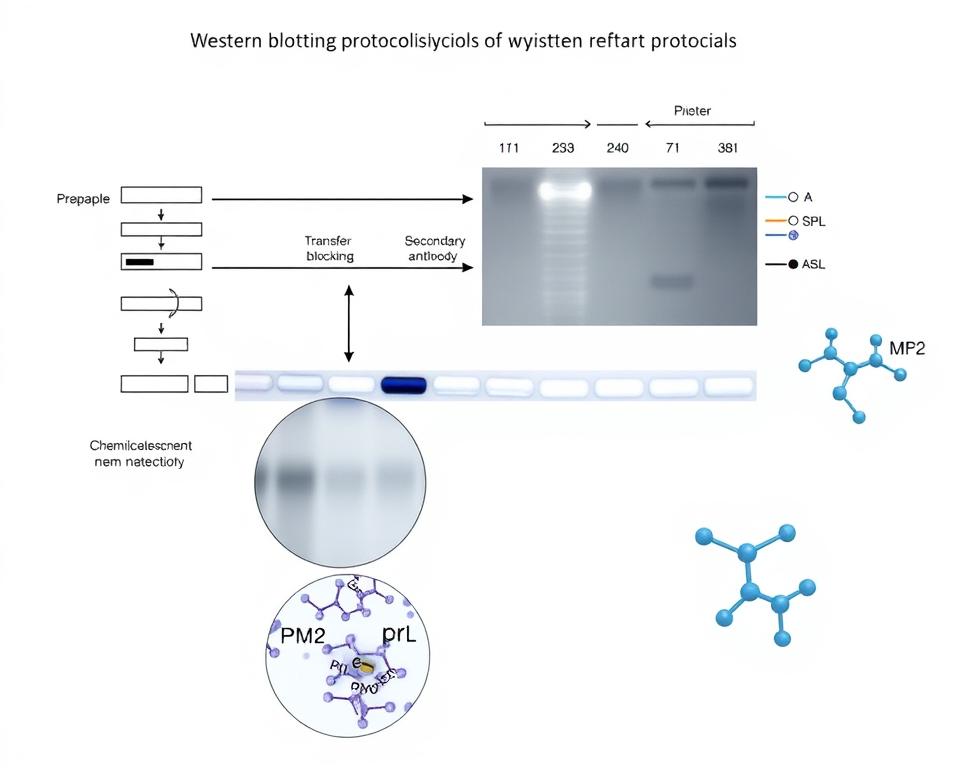
Western blotting enables assessment of CD86 protein expression and molecular weight confirmation. This technique requires optimization of sample preparation methods, gel separation conditions, and transfer parameters. Proper experimental controls include positive control lysates and molecular weight markers for accurate protein identification.
| Assay Technique | Primary Application | Key Advantages | Validation Requirements |
|---|---|---|---|
| Flow Cytometry | Single-cell CD86 quantification | Multi-parameter analysis, live cell assessment | Concentration titration, isotype controls, compensation optimization |
| ELISA | Soluble CD86 measurement | High throughput, quantitative standards | Standard curve validation, spike-recovery testing, precision assessment |
| Immunohistochemistry | Tissue CD86 localization | Spatial distribution, cellular context | Positive/negative tissue controls, antigen retrieval optimization |
| Western Blotting | Protein expression analysis | Molecular weight confirmation, expression quantification | Positive control lysates, antibody dilution optimization, loading controls |
We recommend validating antibody performance across multiple complementary techniques. This comprehensive approach ensures thorough characterization and provides confidence in your experimental conclusions. Cross-validation between assay formats strengthens data interpretation and reveals potential technique-specific artifacts.
Single-cell analysis capabilities continue expanding with technological advances. These methods enable detailed assessment of antibody performance at unprecedented resolution. Combining traditional validation approaches with emerging technologies provides the most complete picture of antibody specificity and functionality.
Assessment of specificity, sensitivity, and reproducibility across different experimental conditions completes the validation process. Specificity testing confirms that the antibody recognizes only its intended target. Sensitivity analysis determines the minimum detectable CD86 levels in your experimental system. Reproducibility studies demonstrate consistent performance across different operators, time points, and reagent lots.
Comparative Analysis of CD86 Antibodies
Understanding antibody performance characteristics enables informed selection for your CD86-targeted studies. We provide comprehensive analysis comparing different antibody platforms to guide your decision-making process. The choice between rabbit and mouse monoclonal antibodies significantly impacts experimental outcomes across diverse applications.
Your selection requires evaluation of multiple technical parameters that influence antibody performance. These parameters include binding characteristics, application compatibility, and validation standards. The CD86 Rabbit Monoclonal Antibody platform offers distinct advantages that we examine through scientific comparison.
Comparison Between Rabbit and Mouse Platforms
The fundamental differences between rabbit and mouse immune systems create distinct antibody characteristics. Rabbit B cells undergo more extensive somatic hypermutation during immune responses. This process generates antibodies with typically higher antibody affinity constants compared to mouse-derived alternatives.
The rabbit antibody repertoire demonstrates greater diversity in CDR3 regions. This diversity enables superior epitope recognition of targets that may be conserved or poorly immunogenic in mice. Mouse monoclonal antibodies maintain historical precedence with decades of validation data supporting their research utility.
However, rabbit antibodies access epitopes that mouse systems may not recognize effectively. The architectural differences in immune system function provide complementary approaches to target validation. You benefit from evaluating both platforms based on your specific experimental requirements.
| Characteristic | Rabbit Monoclonal Antibodies | Mouse Monoclonal Antibodies |
|---|---|---|
| Affinity Range | Higher affinity constants due to extensive somatic hypermutation | Moderate to high affinity with established protocols |
| Epitope Diversity | Greater CDR3 diversity enabling recognition of conserved epitopes | Well-characterized epitope coverage with extensive literature |
| Species Cross-Reactivity | Enhanced recognition across multiple species | Species-specific with variable cross-reactivity |
| Application Performance | Superior in IHC and sterically constrained environments | Broad application range with decades of optimization |
Key Advantages of Rabbit Monoclonal Technology
Rabbit monoclonal antibodies deliver performance benefits that extend beyond simple affinity considerations. These antibodies demonstrate superior functionality in immunohistochemistry applications, particularly with formalin-fixed paraffin-embedded tissues. The larger combining site dimensions enable better epitope accessibility in sterically constrained environments.
Enhanced species reactivity represents a critical advantage for translational research. Rabbit antibodies frequently recognize conserved epitopes across multiple species including human, mouse, and rat. This cross-reactivity streamlines preclinical to clinical research transitions without requiring platform changes.
You achieve improved signal-to-noise ratios in detection applications through higher affinity binding. Reduced non-specific interactions minimize background interference in sensitive assays. The CD86 Rabbit Monoclonal Antibody platform particularly excels in applications requiring high sensitivity and specificity.
Performance advantages include:
- Superior affinity constants resulting from extensive immune system maturation processes
- Enhanced epitope accessibility in challenging sample types including archived tissues
- Broader species coverage enabling consistent performance across preclinical models
- Improved detection sensitivity with reduced background in complex biological matrices
- Better batch-to-batch consistency through recombinant production technologies
Critical Selection Considerations
Epitope specificity information guides predictions of antibody performance across different experimental contexts. Linear epitope-binding antibodies may perform differently than conformational epitope-binding variants. Epitope recognition characteristics influence functionality in native versus denatured protein detection.
Clone-specific performance characteristics vary substantially between different antibody preparations. Antibodies targeting distinct CD86 epitopes show differential sensitivity in detecting native protein forms. Some clones exhibit superior blocking capabilities in functional assays while others excel in detection applications.
Species reactivity verification ensures the antibody recognizes CD86 in your experimental model system. We recommend confirming reactivity data matches your target species before procurement. Cross-reactivity with unintended targets requires evaluation through specificity testing.
Validation data from independent sources provides confidence in antibody performance outcomes. You should evaluate several critical information sources:
- Published studies utilizing the specific clone in peer-reviewed literature
- Manufacturer validation data demonstrating performance across multiple techniques
- Independent antibody validation databases with user-contributed performance data
- Citation analysis revealing application breadth and research impact
Application compatibility assessment determines whether the antibody performs effectively in your specific technique. Some antibodies excel in Western blotting but underperform in flow cytometry. We recommend conducting parallel comparisons of candidate antibodies in your experimental system before large-scale studies.
The antibody affinity should match your application sensitivity requirements. Higher affinity does not always translate to better performance in every application. Flow cytometry may benefit from moderate affinity to reduce non-specific binding, while immunohistochemistry typically requires higher affinity for effective tissue penetration.
Reproducibility considerations include production method evaluation and lot-to-lot consistency data. Recombinant monoclonal antibodies offer superior batch consistency compared to hybridoma-derived alternatives. You gain experimental reliability through consistent antibody performance across multiple production lots.
Case Studies Using CD86 Rabbit Monoclonal Antibodies
We examine documented case studies that showcase the practical implementation of CD86 rabbit monoclonal antibodies in advancing medical research. These studies demonstrate real-world applications across cancer immunotherapy, autoimmune disease research, and infectious disease models. The B7-2 antibody has enabled researchers to validate therapeutic targets through rigorous preclinical studies and translational research initiatives.
More than fifty antibody-based therapeutics for oncology applications have received regulatory approval to date. This success reflects the substantial therapeutic index that antibody-based treatments offer compared to conventional cancer therapies. Antibodies targeting costimulatory molecules represent a promising frontier in cancer immunotherapy development.
Research Applications in Immunotherapy Development
Investigators have utilized CD86 rabbit monoclonal antibodies to characterize costimulatory molecule expression dynamics during tumor progression. These preclinical studies have revealed critical insights into checkpoint blockade mechanisms. Research demonstrates that CD86 expression levels on tumor-associated antigen-presenting cells directly correlate with treatment responsiveness to immune checkpoint inhibitors.
Multiparametric flow cytometry studies employing B7-2 antibody reagents have identified distinct immune cell phenotypes within the tumor microenvironment. You can distinguish between CD86-expressing myeloid populations that support anti-tumor immunity and those that suppress immune responses. These findings inform therapeutic strategy development and patient selection criteria.
The importance of costimulatory molecule expression in predicting therapeutic responses has become increasingly evident. Researchers conducting biomarker validation studies have established CD86 as a potential prognostic marker for immunotherapy responsiveness.
Validation Studies in Autoimmune Disease Research
Translational research bridging preclinical models and clinical observations has leveraged CD86 antibodies extensively. Scientists have employed immunohistochemistry approaches to assess CD86 expression patterns in patient tissue samples. These studies correlate expression profiles with clinical outcomes across multiple autoimmune conditions.
Blocking studies using CD86-targeting antibodies have validated the costimulatory pathway as a therapeutic target. This validation led directly to clinical development of CTLA-4-Ig fusion proteins. These therapeutics interfere with CD86-CD28 interactions and have achieved regulatory approval for autoimmune disease treatment.
The success of these therapeutic approaches demonstrates the value of rigorous target validation using specific antibody reagents. Preclinical studies established proof-of-concept before clinical translation occurred.
Therapeutic Outcomes
Animal models of cancer treated with combination immunotherapies have shown that CD86 expression on dendritic cells is required for optimal vaccine efficacy. These findings emerged from mechanistic studies employing CD86 antibodies in blocking experiments. Researchers have elucidated the relative contributions of CD86 versus CD80 in different immunological contexts.
Therapeutic antibodies have demonstrated substantial advantages in safety profiles and treatment efficacy. Studies utilizing CD86 antibodies for biomarker validation have enabled rational design of costimulation-targeted therapeutics. This approach reduces development timelines and improves clinical success rates.
Research in infectious disease models has revealed that CD86 upregulation represents a critical early event in antimicrobial immune responses. Kinetic studies using B7-2 antibody reagents have mapped temporal dynamics of antigen-presenting cell activation. These insights inform vaccine design and adjuvant selection strategies.
Key therapeutic outcomes include:
- Enhanced understanding of immune checkpoint blockade mechanisms through expression profiling
- Identification of predictive biomarkers for immunotherapy response in cancer patients
- Validation of costimulatory pathway blockade as a viable therapeutic approach for autoimmune diseases
- Characterization of temporal immune response patterns in infectious disease models
- Development of combination therapy strategies based on CD86 expression requirements
Applications in Personalized Medicine
Future implications of research employing CD86 rabbit monoclonal antibodies extend to personalized medicine approaches. You can envision applications in patient stratification based on CD86 expression profiles. This stratification enables selection of appropriate immunotherapy regimens for individual patients.
Serial assessment of CD86-positive immune cell populations provides monitoring capabilities for treatment responses. Translational research initiatives are establishing reference ranges and kinetic patterns for different therapeutic interventions. These data support clinical decision-making and treatment optimization.
Biomarker validation studies continue to expand the utility of CD86 detection in clinical settings. Researchers are correlating expression patterns with long-term outcomes across diverse patient populations. This work establishes evidence-based guidelines for therapeutic intervention.
Integration with Emerging Technologies
Emerging technologies including single-cell proteomics and spatial transcriptomics will integrate CD86 detection with comprehensive molecular profiling. These approaches provide systems-level understanding of immune regulation in health and disease. The combination of specific antibody detection with high-dimensional analysis platforms represents the next frontier in immunology research.
Spatial analysis techniques preserve tissue architecture while quantifying CD86 expression patterns. This capability reveals cellular interactions and microenvironmental influences that traditional approaches cannot capture. We anticipate these methods will transform our understanding of immune checkpoint regulation.
The applications span multiple research domains and continue to expand as new technologies emerge. Investigators worldwide are incorporating CD86 antibodies into increasingly sophisticated experimental designs. These studies generate insights that drive therapeutic innovation and improve patient outcomes.
The documented successes in preclinical studies validate the investment in antibody-based research tools. As translational research bridges laboratory discoveries and clinical applications, CD86 rabbit monoclonal antibodies remain essential reagents. Their proven utility in target validation and biomarker development positions them as critical components of modern therapeutic development pipelines.
Challenges and Limitations
Research applications of CD86 rabbit monoclonal antibodies present distinct challenges requiring careful consideration during experimental planning and execution. We provide transparent discussion of technical obstacles, biological constraints, and regulatory requirements that influence research outcomes. Understanding these limitations enables you to design more robust experiments and interpret results with appropriate scientific rigor.
These challenges span immunological responses, technical validation requirements, and regulatory frameworks. Each category demands specific attention to ensure research quality and reproducibility.
Immunogenicity and Off-Target Binding
Rabbit antibodies administered to rodent models can trigger unwanted immune responses that compromise experimental validity. When you conduct repeated dosing studies or chronic experiments, animals may develop anti-rabbit antibody responses. These immune reactions neutralize the research antibody, alter its biodistribution, or induce hypersensitivity reactions.
We recommend monitoring animals for signs of adverse reactions throughout your study duration. Antibody specificity validation becomes critical to distinguish target-specific effects from antibody-related toxicity. Incorporating appropriate control groups helps separate genuine CD86-mediated responses from immunogenic complications.
Off-target binding represents another significant concern for research grade monoclonal antibodies. While monoclonal antibodies exhibit high specificity, potential cross-reactivity with structurally similar epitopes cannot be entirely excluded. You must conduct thorough validation experiments to characterize specificity profiles before initiating full-scale studies.
- Development of neutralizing antibodies after repeated administration
- Altered pharmacokinetics due to immune complex formation
- Hypersensitivity reactions ranging from mild inflammation to anaphylaxis
- Confounded experimental readouts from unintended immune activation
Technical and Biological Constraints
Antibody penetration into tissues varies significantly depending on molecular size, tissue vascularity, and interstitial pressure. In solid tumor research, antibody distribution may remain limited to perivascular regions. This constraint potentially misses CD86-expressing cells in poorly vascularized tumor areas, creating experimental limitations in data interpretation.
Fixation and processing artifacts in immunohistochemistry can alter epitope availability. You need to optimize antigen retrieval methods specific to each tissue type and fixation protocol. Different tissues require distinct approaches to maintain epitope integrity while preserving tissue morphology.
Species-specific differences in CD86 protein sequence directly affect antibody recognition. Antibodies selected for human CD86 binding may exhibit reduced or absent reactivity with mouse, rat, or other species orthologs. We strongly emphasize verifying species cross-reactivity before initiating studies in animal models.
Biological variability adds another layer of complexity:
- Expression levels vary across different immune cell subsets and activation states
- Disease states influence CD86 expression patterns in unpredictable ways
- Circadian rhythms and stress responses alter baseline expression levels
- Experimental manipulations themselves may modify target expression
These variables require careful experimental design with appropriate controls. You should establish baseline expression patterns in your specific model system before drawing conclusions about treatment effects.
Regulatory Framework and Compliance Requirements
Research grade monoclonal antibodies are intended for investigational use only. They are not approved for therapeutic or diagnostic applications in humans. This distinction carries important implications for documentation and quality control.
Documentation of antibody characterization, validation data, and quality control measures is essential for regulatory compliance in preclinical studies. When your research supports therapeutic development, Good Laboratory Practice compliance may become mandatory. This requirement necessitates use of antibodies manufactured under appropriate quality systems.
We recommend maintaining detailed records throughout your research program. Essential documentation includes:
- Antibody lot numbers with corresponding certificates of analysis
- Validation experiments demonstrating specificity and cross-reactivity profiles
- Quality control results for each experimental batch
- Standard operating procedures for antibody handling and storage
- Animal monitoring records documenting any adverse events
Regulatory agencies require this documentation to assess data quality and experimental reproducibility. Inadequate record-keeping can invalidate otherwise sound scientific findings when transitioning from research to regulatory submissions.
The antibody specificity validation process itself faces standardization challenges. No universal acceptance criteria exist for defining adequate specificity across all applications. You must establish validation standards appropriate to your specific research context and regulatory requirements.
These experimental limitations do not diminish the value of CD86 rabbit monoclonal antibodies in research. Rather, they highlight the importance of rigorous experimental design, thorough validation, and transparent reporting. We support your research efforts by providing comprehensive technical documentation and validation data to facilitate compliant, high-quality investigations.
Selecting the Right CD86 Rabbit Monoclonal Antibody
We understand that identifying the optimal CD86 rabbit monoclonal antibody represents a critical decision point in your experimental workflow design. The selection process directly influences the reliability of your Costimulatory Molecule Detection results and overall research success. Your choice must balance technical specifications with practical research requirements to ensure accurate target identification and reproducible outcomes.
Multiple technical and practical dimensions guide the antibody selection process. You should evaluate application compatibility, validation evidence, and quality metrics before committing to a specific antibody clone. We provide comprehensive guidance to help you navigate these considerations systematically.
Critical Technical Parameters for Antibody Selection
Application compatibility represents the primary consideration when selecting application-specific antibodies for your research. Antibodies optimized for flow cytometry may not perform equivalently in Western Blot CD86 experiments due to differences in epitope accessibility. Native protein conformations in flow cytometry differ substantially from denatured protein states in Western blotting applications.
You must verify that your selected antibody clone has demonstrated performance in your intended application. Examination of manufacturer data sheets and published literature provides essential validation evidence. We recommend confirming specificity through multiple independent approaches before proceeding with experimental work.
Epitope recognition characteristics significantly influence application performance. Linear epitope-recognizing antibodies typically excel in Western blotting where proteins undergo denaturation. Conformational epitope-recognizing antibodies perform better in flow cytometry and immunohistochemistry where native protein structure remains intact.
Antibody specificity verification ensures accurate target identification throughout your experiments. Peptide blocking experiments, knockout cell line validation, and comparison with independent antibody clones provide confidence in target specificity. These verification approaches minimize false-positive signals and enhance data reliability.
Affinity considerations directly impact detection sensitivity for Costimulatory Molecule Detection applications. Higher affinity antibodies enable detection of lower abundance targets on cell surfaces and in tissue samples. However, extremely high affinity may affect dissociation rates in kinetic applications where reversible binding is required.
Species cross-reactivity information ensures compatibility with your experimental model system. Human-specific antibodies may not recognize mouse or rat CD86, limiting utility in preclinical rodent studies. We recommend confirming cross-reactivity data before selecting antibodies for translational research projects.
- Clone validation data: Published performance across multiple applications and cell types
- Epitope mapping: Linear versus conformational epitope recognition patterns
- Concentration requirements: Optimal working dilutions for intended applications
- Storage stability: Shelf life and freeze-thaw tolerance specifications
- Quality metrics: Purity levels, endotoxin content, and carrier protein presence
Customization Approaches for Specialized Applications
Customization options enable adaptation of antibodies to specific experimental workflows and detection requirements. Antibody conjugation facilitates direct detection methods that streamline protocols and reduce experimental steps. You can select from multiple conjugation formats based on instrumentation availability and experimental design.
Fluorophore conjugation supports multicolor flow cytometry panels and fluorescence microscopy applications. Selection of appropriate fluorophores depends on instrument configuration, spectral compatibility with other markers, and brightness requirements. Common options include fluorescein (FITC), phycoerythrin (PE), allophycocyanin (APC), and Alexa Fluor dyes for sophisticated multiparameter analysis.
Tandem fluorophore conjugates provide enhanced brightness and expanded spectral options for complex panels. These conjugates combine donor and acceptor fluorophores through energy transfer mechanisms. We recommend careful validation of tandem conjugates due to potential lot-to-lot variability in energy transfer efficiency.
Biotinylation enables signal amplification through streptavidin-based detection systems for low-abundance target detection. This antibody conjugation approach proves valuable when target expression levels fall below direct detection thresholds. Streptavidin conjugates carrying multiple fluorophores or enzyme molecules amplify signals substantially.
Enzyme conjugations including horseradish peroxidase (HRP) and alkaline phosphatase (AP) support chromogenic and chemiluminescent detection. These conjugations prove essential for Western Blot CD86 detection, immunohistochemistry, and ELISA applications. HRP conjugates offer high sensitivity through chemiluminescent substrates, while AP conjugates provide stability for prolonged incubations.
| Conjugation Type | Primary Applications | Key Advantages | Considerations |
|---|---|---|---|
| Fluorophore | Flow cytometry, microscopy, immunofluorescence | Direct detection, multicolor capability, quantitative analysis | Spectral overlap, photobleaching, instrument compatibility |
| Biotin | Immunohistochemistry, ELISA, Western blotting | Signal amplification, flexibility with detection systems | Additional incubation steps, potential background from endogenous biotin |
| HRP Enzyme | Western blotting, ELISA, immunohistochemistry | High sensitivity, chemiluminescent detection, cost-effective | Signal decay over time, substrate selection impacts sensitivity |
| Unconjugated | All applications with secondary detection | Maximum flexibility, signal amplification with secondary antibodies | Additional protocol steps, potential cross-reactivity with secondary antibodies |
Unconjugated antibodies provide maximum flexibility for researchers employing indirect detection strategies. This format allows you to select secondary antibodies optimized for specific detection requirements. Indirect detection also enables signal amplification when multiple secondary antibodies bind each primary antibody.
Strategic Procurement and Supplier Evaluation
Sources for procurement include academic core facilities, commercial antibody suppliers, and custom antibody production services. Each source offers distinct advantages depending on your research timeline, budget constraints, and customization requirements. We recommend evaluating multiple suppliers to identify optimal matches for your specific needs.
Commercial antibody suppliers provide standardized products with comprehensive validation data and technical support. Quality documentation includes lot-specific validation data, quality control certificates, and application protocols. These suppliers typically maintain consistent product availability and offer replacement guarantees for performance issues.
Evaluation criteria for suppliers extend beyond product specifications to encompass support services. Technical support availability helps troubleshoot protocol optimization and application-specific challenges. We recommend prioritizing suppliers with responsive technical teams and extensive application expertise for application-specific antibodies.
Validation data transparency enables informed decision-making before procurement. Request sample data sheets showing actual experimental results rather than general product descriptions. Published citations in peer-reviewed journals provide independent validation evidence demonstrating antibody performance in authentic research contexts.
Product consistency across lots ensures reproducibility throughout extended research projects. Suppliers employing rigorous quality control maintain tight specifications for affinity, specificity, and concentration. We recommend requesting lot-specific data sheets and considering suppliers who provide advance notice of lot changes.
Small-scale validation in your experimental system minimizes risk before large-scale procurement. Obtain pilot quantities to confirm performance with your specific protocols, cell types, and detection systems. This validation step proves particularly important when switching suppliers or evaluating new antibody clones for established workflows.
Custom antibody services address specialized requirements not available through commercial catalogs. These services provide tailored solutions including specific fluorophore conjugations, antibody fragmentation, or modification for specialized detection systems. Custom antibody conjugation services prove valuable when standard conjugates lack necessary spectral properties or when unique experimental designs require modified antibody formats.
Budget considerations balance cost against validation evidence and support services. While lower-cost options may appear attractive initially, inadequate validation or poor technical support can result in failed experiments and wasted resources. We recommend evaluating total experimental cost including troubleshooting time rather than focusing solely on antibody purchase price.
Long-term research planning benefits from establishing relationships with reliable suppliers offering consistent product quality. Consistency across antibody lots enables direct comparison of results generated over extended timeframes. This consistency proves essential for longitudinal studies and collaborative projects requiring standardized reagents across multiple laboratories.
Conclusion and Future Directions
CD86 rabbit monoclonal antibodies represent essential tools for advancing biomedical research. These reagents enable precise investigation of immune regulation mechanisms across multiple therapeutic areas.
Key Takeaways for Your Research
CD86 functions as a critical immune cell marker in costimulatory pathways. Rabbit monoclonal antibodies deliver superior affinity and epitope recognition compared to traditional platforms. Isotype controls ensure experimental rigor by eliminating non-specific binding artifacts. Validation across flow cytometry, immunohistochemistry, and in vivo models confirms antibody performance. Applications in therapeutic antibody development span oncology, autoimmune disorders, and infectious diseases.
Emerging Technologies in CD86 Investigation
Single-cell sequencing and spatial transcriptomics will reveal unprecedented detail about CD86-expressing cell populations. Systems immunology approaches integrate multi-omic datasets to map complete signaling networks. Precision immunology strategies use CD86 profiling for patient stratification. Advanced imaging techniques enable real-time monitoring of expression dynamics during disease progression.
Advancing Translational Medicine Through Rigorous Validation
Target validation through preclinical studies remains fundamental to successful drug development. CD86 antibodies facilitate mechanistic understanding and biomarker identification that inform clinical trial design. Next-generation antibody engineering will produce improved reagents for challenging in vivo applications. We support your scientific objectives through expert guidance in selecting validated research tools. The continued evolution of antibody technology drives discovery in translational medicine and therapeutic development.
References and further readings:
1.Fallen RS, Mitra A, Morrisey L. Psoriasis as a chess board—An update of psoriasis pathophysiology. In: Psoriasis—Types, Causes and Pathophysiology. IntechOpen; 2013.
https://www.intechopen.com/chapters/441752.Fallen RS, Mitra A, Lima HC. Insights into the pathogenesis and treatment of psoriasis. In: Psoriasis (Book). Google Books; 2012.
https://www.academia.edu/64844425/Psoriasis_A_Systemic_Disease#page=143
3.Fallen RS, Mitra A, Morrisey L. Psoriasis as a Chess Board: Pathophysiologic Insights and Therapeutic Implications. In: Psoriasis—Types, Causes and Clinical Management. Google Books; 2013.
https://books.google.co.jp/books?id=mRKaDwAAQBAJ&redir_esc=y
4.Olabisi OA, Harris HW, Mitchell RN, Freeman GJ. CD86 costimulation regulates the magnitude of Th1 and Th2 responses in vivo. J Immunol. 1997;158(9): 4089–4096.
https://pubmed.ncbi.nlm.nih.gov/9120308/
FAQ
What is CD86 and why is it important in immunology research?
CD86, also known as B7-2, is a critical costimulatory molecule expressed on antigen-presenting cells including dendritic cells, macrophages, and activated B cells. CD86 provides essential second signals required for complete T cell activation by binding to CD28 receptors on T cells. This interaction triggers intracellular signaling cascades that promote T cell proliferation, cytokine production, and survival. CD86 plays a dual regulatory role through its ability to bind both CD28 (promoting activation) and CTLA-4 (delivering inhibitory signals), making it a critical immune checkpoint. We recognize CD86 as an essential target for cancer immunotherapy development, autoimmune disease investigation, and understanding fundamental immune response mechanisms.
What advantages do rabbit monoclonal antibodies offer over mouse monoclonal antibodies for CD86 detection?
Rabbit monoclonal antibodies provide several distinct advantages compared to traditional mouse monoclonal antibodies. Rabbits generate antibodies with higher affinity due to more extensive somatic hypermutation during immune responses, resulting in superior binding characteristics. The rabbit immune system recognizes different epitopes compared to mice, enabling detection of targets that may be poorly immunogenic in mouse systems. Rabbit monoclonal antibodies frequently demonstrate enhanced performance in immunohistochemistry applications, particularly for formalin-fixed paraffin-embedded tissues. You benefit from improved signal-to-noise ratios, better epitope accessibility in sterically constrained environments, and often enhanced species cross-reactivity when selecting rabbit monoclonal antibodies for applications requiring high sensitivity and specificity.
Why are isotype control antibodies essential for CD86 research experiments?
Isotype control antibodies are fundamental for rigorous experimental design and accurate data interpretation. These controls are antibodies of the same immunoglobulin class and host species as the primary antibody but lack specificity for the target antigen. Isotype controls account for non-specific binding mediated by Fc receptors, general protein interactions, and background staining inherent to the detection system. Without proper isotype controls, you risk misinterpreting non-specific binding as genuine CD86 detection, leading to erroneous conclusions. For rabbit monoclonal antibodies, appropriate rabbit IgG isotype controls with matching subclass should be employed at equivalent concentrations to ensure experimental accuracy in both in vitro and in vivo therapeutic validation studies.
What are the primary applications of CD86 rabbit monoclonal antibodies in cancer research?
CD86 rabbit monoclonal antibodies serve multiple critical functions in cancer immunotherapy research. We utilize these antibodies for characterizing the tumor microenvironment through immunohistochemistry CD86 protocols to assess the presence and distribution of CD86-positive antigen-presenting cells within tumor tissues. Flow cytometry applications enable multi-parameter immune profiling, identifying CD86 expression on various immune cell subsets simultaneously. Researchers employ CD86 antibodies for dendritic cell analysis to quantify activation status, evaluate vaccine efficacy, and monitor immunotherapeutic responses. CD86 expression on tumor-infiltrating dendritic cells and macrophages serves as a biomarker for immune activation and potential treatment responsiveness, making these antibodies essential tools for therapeutic development and mechanistic investigation.
How do I select the appropriate CD86 rabbit monoclonal antibody for my specific research needs?
Selecting the appropriate CD86 rabbit monoclonal antibody requires evaluation of multiple factors. Application compatibility represents the primary consideration—verify that the antibody clone has been validated for your intended application (flow cytometry, immunohistochemistry, Western blot CD86, or in vivo studies) through examination of manufacturer data and published literature. Assess epitope information to understand whether the antibody recognizes linear or conformational epitopes, which affects performance across applications. Verify species cross-reactivity to ensure compatibility with your experimental model system. Evaluate affinity considerations for sensitivity requirements and examine clone-specific validation data from independent sources. We recommend considering customization options such as fluorophore conjugation for flow cytometry, biotinylation for signal amplification, or enzyme conjugations for immunohistochemistry and Western blotting based on your experimental workflow requirements.
What validation techniques should I use to ensure accurate CD86 detection in my experiments?
We recommend validating CD86 antibody performance through multiple complementary approaches. For in vivo studies, conduct target engagement confirmation, biodistribution analysis, and functional outcome assessment. Validate antibody specificity through peptide blocking experiments, knockout cell line validation, or comparison with independent antibody clones. Flow cytometry protocols require optimization of antibody concentration, incubation conditions, and gating strategies, with appropriate isotype controls at equivalent concentrations. Immunohistochemistry demands optimization of tissue fixation methods, antigen retrieval protocols, and detection systems. Western blotting enables molecular weight confirmation and protein expression assessment. Cross-validate antibody performance across multiple techniques to ensure comprehensive characterization and experimental rigor, particularly for research grade monoclonal antibodies used in therapeutic target validation.
Can CD86 rabbit monoclonal antibodies be used for both flow cytometry and immunohistochemistry applications?
The versatility of CD86 rabbit monoclonal antibodies across applications depends on the specific clone and its epitope recognition characteristics. Different clones recognizing distinct CD86 epitopes may show varying performance across applications. Conformational epitope-recognizing antibodies typically excel in flow cytometry and immunohistochemistry where protein structure is maintained, while linear epitope-recognizing antibodies may perform better in Western blotting where proteins are denatured. You should verify that your selected antibody clone has been validated for all intended applications through manufacturer documentation and published data. We recommend evaluating antibodies optimized for your primary application first, then confirming performance in secondary applications. Some clones demonstrate excellent multi-application performance, while others may be optimized for specific techniques.
What are the common challenges when using CD86 antibodies in in vivo studies?
In vivo applications of CD86 rabbit monoclonal antibodies present several challenges requiring careful experimental design. Antibody immunogenicity represents a primary concern—rabbit antibodies administered to mice or other rodent species can elicit anti-rabbit antibody responses, particularly with repeated dosing, which may neutralize the research antibody or induce hypersensitivity reactions. Tissue penetration varies depending on molecular size, tissue vascularity, and interstitial pressure, potentially limiting antibody distribution to perivascular regions in solid tumors. You must account for species-specific differences in CD86 protein sequence that may affect antibody recognition across different animal models. Biological variability in CD86 expression influenced by activation states, disease conditions, circadian rhythms, and experimental manipulations requires careful control group design and appropriate statistical analysis for rigorous therapeutic target validation.
How does CD86 differ from CD80 in immune regulation, and why is specific CD86 detection important?
CD86 (B7-2) and CD80 (B7-1) are related costimulatory molecules with distinct expression patterns and regulatory functions. CD86 is constitutively expressed at low levels on antigen-presenting cells and rapidly upregulated upon activation, while CD80 expression requires more sustained activation signals. CD86 and CD80 both bind to CD28 and CTLA-4, but with different kinetics and affinities—CD86 binds CD28 with moderate affinity and CTLA-4 with higher affinity, creating distinct regulatory dynamics. Specific CD86 detection using B7-2 antibody reagents enables researchers to distinguish the relative contributions of each molecule in different immunological contexts. Studies have demonstrated non-redundant functions for CD86 and CD80 in various immune responses, making specific CD86 detection essential for mechanistic understanding and therapeutic development targeting costimulatory pathways.
What quality control measures should I implement when using CD86 rabbit monoclonal antibodies for therapeutic validation studies?
Rigorous quality control ensures reproducible results in therapeutic validation studies. We recommend maintaining detailed documentation of antibody lot numbers, storage conditions, and expiration dates, as batch-to-batch variability can affect experimental outcomes. Verify antibody integrity through periodic testing of positive control samples with known CD86 expression levels. Include appropriate negative controls (isotype controls and CD86-negative cells) in every experiment to assess background binding and specificity. For in vivo studies supporting therapeutic development, Good Laboratory Practice (GLP) compliance may be required, necessitating use of antibodies manufactured under appropriate quality systems with comprehensive characterization documentation. Validate antibody performance after prolonged storage or freeze-thaw cycles. Cross-validate critical findings using independent antibody clones or complementary detection methods to ensure robust conclusions supporting therapeutic target validation.
How do I optimize immunohistochemistry protocols for CD86 detection in different tissue types?
Immunohistochemistry CD86 optimization requires systematic evaluation of multiple parameters. Tissue fixation method significantly impacts epitope availability—formalin-fixed paraffin-embedded tissues typically require antigen retrieval, while frozen sections may preserve conformational epitopes better but have different fixation requirements. We recommend testing multiple antigen retrieval methods including heat-induced epitope retrieval with citrate buffer (pH 6.0) or Tris-EDTA buffer (pH 9.0), and enzymatic digestion with proteinase K or pepsin. Optimize antibody concentration through titration experiments starting with manufacturer recommendations and adjusting based on signal intensity and background levels. Blocking steps using serum from the secondary antibody host species reduce non-specific binding. Parallel processing of positive control tissues (such as activated lymphoid tissue) and negative controls (isotype-matched control antibodies) ensures proper protocol validation for each tissue type in your experimental system.
What are the considerations for using CD86 rabbit monoclonal antibodies in multi-color flow cytometry panels?
Designing multi-color flow cytometry panels with CD86 rabbit monoclonal antibodies requires careful planning for optimal performance. Select fluorophore conjugates based on instrument configuration, laser excitation wavelengths, and detector specifications. We recommend placing CD86 detection on bright fluorophores when assessing low-expression populations or using medium-intensity fluorophores for highly expressed targets to avoid detector saturation. Address potential spectral overlap through compensation controls using single-stained samples for each fluorophore in your panel. When combining rabbit monoclonal antibodies with antibodies from other host species, ensure detection antibodies are properly cross-adsorbed to prevent non-specific binding. Consider CD86 expression levels on your target populations when positioning within the panel—reserve brightest fluorophores for rare populations or dim markers. Validate panel performance using appropriate controls including fluorescence-minus-one (FMO) controls for accurate gating of positive populations.
Can CD86 rabbit monoclonal antibodies detect soluble CD86 in serum or culture supernatants?
Detection of soluble CD86 (sCD86) requires specific validation, as antibodies optimized for cell surface detection may not perform equivalently for soluble protein. Soluble CD86 arises from proteolytic cleavage or alternative splicing, and its detection depends on epitope accessibility in the soluble form. Sandwich ELISA represents the standard approach for quantifying sCD86, requiring matched antibody pairs with one capture antibody and one detection antibody recognizing distinct non-overlapping epitopes. You should verify that your CD86 rabbit monoclonal antibody has been validated for detecting soluble protein through manufacturer documentation or independent validation. Standard curves using recombinant CD86 protein establish quantification accuracy. Alternative approaches include Western blot analysis of concentrated supernatants or immunoprecipitation followed by detection. We recommend confirming the presence of soluble CD86 in your biological samples using orthogonal detection methods before implementing large-scale studies.
What are the best practices for storing and handling CD86 rabbit monoclonal antibodies to maintain activity?
Proper storage and handling preserve antibody integrity and ensure consistent experimental performance. Store unconjugated antibodies at 4°C for short-term use (up to several months) or at -20°C for long-term storage, avoiding repeated freeze-thaw cycles that can denature antibodies and reduce activity. Fluorophore-conjugated antibodies should be stored at 4°C protected from light, as fluorophores are susceptible to photobleaching. We recommend aliquoting antibodies upon receipt into single-use volumes to minimize freeze-thaw cycles. Add carrier proteins like bovine serum albumin (BSA) at 0.1-1% for stabilization during storage. Avoid storing antibodies in frost-free freezers where temperature cycling can occur. Before each use, centrifuge antibody solutions briefly to pellet any aggregates that may have formed. Record the date of first use and monitor antibody performance over time through positive control samples. Replace antibody stocks showing diminished performance or when approaching expiration dates to ensure experimental reproducibility.
How do I interpret CD86 expression patterns in the tumor microenvironment for immunotherapy research?
Interpreting CD86 expression patterns requires understanding the complex cellular composition and functional states within the tumor microenvironment. High CD86 expression on tumor-infiltrating dendritic cells typically indicates immune activation and potential treatment responsiveness to checkpoint blockade therapies. We evaluate both the frequency of CD86-positive cells and the intensity of expression through flow cytometry quantification or immunohistochemistry scoring systems. Spatial distribution matters—CD86-expressing cells concentrated at the tumor-immune interface may indicate active immune engagement, while absence of CD86-positive cells in tumor regions suggests immune exclusion. Consider the specific cell types expressing CD86, as expression on dendritic cells versus macrophages may have different functional implications. Correlate CD86 patterns with other immune markers including PD-L1, CD8, and activation markers to develop comprehensive understanding of the immune landscape. Longitudinal assessment during therapy reveals dynamic changes in costimulatory molecule expression that inform mechanisms of therapeutic response or resistance.
Leo Bios
Hello, I’m Leo Bios. As an assistant lecturer, I teach cellular and
molecular biology to undergraduates at a regional US Midwest university. I started as a research tech in
a biotech startup over a decade ago, working on molecular diagnostic tools. This practical experience
fuels my teaching and writing, keeping me engaged in biology’s evolution.

Leave a Comment
Your email address will not be published. Required fields are marked *