

Glyceraldehyde-3-phosphate dehydrogenase serves as a critical housekeeping protein in cellular metabolism. Researchers rely on GAPDH detection for protein normalization and quality control across diverse experimental protocols. This essential enzyme maintains consistent expression levels in most cell types, making it an ideal reference marker.
We recognize that rabbit monoclonal antibodies offer superior specificity compared to conventional immunological reagents. These advanced tools deliver enhanced affinity and reduced cross-reactivity in your experimental applications. The consistent performance across multiple species and tissue types sets them apart in modern research.
You will find these antibodies invaluable for Western blotting, immunohistochemistry, and cellular analysis. They function as reliable loading controls and support quantitative protein analysis. From cancer biology to neuroscience, these research tools have demonstrated widespread application across scientific disciplines.
Key Takeaways
- GAPDH antibodies serve as essential loading controls for protein normalization in experimental protocols
- Rabbit monoclonal formulations provide enhanced specificity and sensitivity compared to polyclonal alternatives
- These research tools demonstrate consistent performance across multiple species and tissue types
- Applications span Western blotting, immunohistochemistry, and quantitative cellular analysis
- Validated products ensure reproducibility in cancer research, neurobiology, and cardiovascular studies
- Superior affinity characteristics minimize cross-reactivity and improve experimental accuracy
Understanding GAPDH and Its Importance in Research
We recognize GAPDH as a cornerstone molecule that bridges fundamental cellular metabolism with practical experimental applications. This housekeeping protein antibody target serves researchers across diverse biological disciplines. Its universal presence in living cells makes it an indispensable reference point for protein analysis.
Scientists worldwide depend on GAPDH for consistent experimental results. The protein’s stable expression patterns enable accurate comparison of experimental data. Understanding its molecular properties helps you optimize research protocols and interpret findings correctly.
Molecular Characteristics and Structural Properties
Glyceraldehyde-3-phosphate dehydrogenase exists as a 37 kDa enzyme with distinct structural features. The protein adopts a tetrameric configuration composed of four identical subunits. This quaternary structure provides exceptional stability across various experimental conditions.
The amino acid sequences of GAPDH demonstrate remarkable conservation across species. This evolutionary preservation enables cross-reactivity in antibody applications. You can use the same housekeeping protein antibody reagent for multiple model organisms with confidence.
We observe that GAPDH contains highly conserved catalytic domains essential for enzymatic function. The NAD+ binding pocket shows particularly strong sequence homology. These structural elements make GAPDH an ideal target for monoclonal antibody development.
The protein’s molecular weight facilitates clear separation during gel electrophoresis. This characteristic simplifies detection in Western blotting applications. Researchers benefit from distinct banding patterns that minimize interference from other cellular proteins.
Essential Functions in Energy Production Pathways
GAPDH catalyzes the sixth step of glycolysis, the primary glucose metabolism pathway. The enzyme converts glyceraldehyde-3-phosphate to 1,3-bisphosphoglycerate while reducing NAD+ to NADH. This reaction represents a critical energy-generating step in cellular respiration.
Every cell type expresses this cellular metabolism marker to maintain basic energy requirements. The enzyme’s activity directly impacts ATP production and cellular viability. Without functional GAPDH, cells cannot sustain fundamental metabolic processes.
| Property | Specification | Research Significance | Application Benefit |
|---|---|---|---|
| Molecular Weight | 37 kDa | Predictable migration pattern | Easy identification in Western blots |
| Quaternary Structure | Tetrameric complex | Enhanced protein stability | Consistent antibody recognition |
| Expression Level | Constitutive and abundant | Reliable reference standard | Minimal sample-to-sample variation |
| Species Conservation | Highly conserved sequences | Cross-species reactivity | Single antibody for multiple models |
| Subcellular Location | Primarily cytoplasmic | Accessible to detection methods | Straightforward sample preparation |
Beyond glycolysis, GAPDH participates in numerous non-metabolic cellular functions. The protein influences membrane fusion, microtubule organization, and nuclear RNA transport. These multifunctional roles highlight the complexity of this seemingly simple metabolic enzyme.
Research demonstrates GAPDH involvement in apoptosis regulation and cellular stress responses. The protein translocates to the nucleus under specific conditions. Understanding these alternative functions helps you interpret experimental results in context.
Studies spanning melanoma xenografts, acute lung injury models, and breast cancer fibroblast systems confirm GAPDH’s universal expression. This broad applicability makes it a preferred cellular metabolism marker for diverse research applications. The enzyme’s presence remains detectable across normal and pathological tissue states.
Advantages as an Experimental Reference Standard
We recommend GAPDH as the gold standard loading control for Western blotting experiments. The protein’s constitutive expression provides a reliable internal reference for normalization. You can compare protein expression levels across samples with greater statistical confidence.
The enzyme maintains relatively stable expression under most experimental conditions. This consistency stems from continuous glycolytic requirements in living cells. Unlike inducible proteins, GAPDH levels remain unchanged during typical experimental manipulations.
Researchers use GAPDH to correct for variations in sample loading, transfer efficiency, and detection sensitivity. The housekeeping protein serves as a denominator for calculating relative protein expression ratios. This mathematical normalization reduces technical variability and enhances data reproducibility.
The abundant cellular concentration of GAPDH ensures strong signal detection with minimal antibody usage. You achieve clear bands without extensive optimization. This practical advantage reduces reagent costs and accelerates protocol development.
However, we advise considering experimental contexts where GAPDH expression might fluctuate. Hypoxic conditions, severe metabolic stress, or cancer-related metabolic reprogramming can alter expression patterns. In these specialized scenarios, alternative loading control proteins may provide superior normalization accuracy.
The protein’s utility extends beyond Western blotting to immunohistochemistry and cell biology applications. Consistent tissue distribution enables spatial analysis of cellular architecture. You gain confidence that reference signals reflect true experimental conditions rather than technical artifacts.
Overview of Rabbit Monoclonal Antibodies
Understanding the technical foundations of monoclonal antibody production is essential for selecting optimal research tools. The choice between different antibody formats directly impacts experimental outcomes, data quality, and reproducibility across research applications. This section provides comprehensive insight into monoclonal antibody technology, with specific focus on rabbit-derived formats for monoclonal GAPDH detection.
We examine the biological and technical advantages that distinguish rabbit monoclonal antibodies from alternative formats. These differences influence performance characteristics including sensitivity, specificity, and consistency. Researchers benefit from understanding these distinctions when designing experimental protocols and selecting appropriate detection reagents.
What Are Monoclonal Antibodies?
Monoclonal antibodies are immunoglobulins produced by identical immune cells derived from a single B-cell clone. Each antibody molecule recognizes and binds to one specific epitope on the target antigen. This uniformity creates highly consistent detection tools for monoclonal GAPDH detection applications.
The production process begins with immunization of host animals using purified antigen preparations. Following immune response development, B-cells are harvested and either fused with immortalized cell lines to create hybridomas or cloned using recombinant technology. Individual clones undergo rigorous screening to identify those producing antibodies with desired specificity and affinity characteristics.
This manufacturing approach differs fundamentally from polyclonal antibody production. Polyclonal preparations contain heterogeneous antibody populations recognizing multiple epitopes on the same antigen. While polyclonal antibodies offer certain advantages, monoclonal formats provide superior batch-to-batch consistency and renewable supply from established cell lines.
Advantages of Using Rabbit Monoclonal Antibodies
Rabbit immune systems generate antibody repertoires with distinct advantages for research applications. The biological differences between rabbit and mouse immune responses create performance benefits that directly impact experimental outcomes. These advantages make rabbit anti-GAPDH antibodies particularly valuable for demanding detection protocols.
Rabbits produce more diverse antibody responses to mammalian proteins compared to mice. This enhanced diversity results from genetic and immunological factors that allow rabbits to recognize epitopes that mouse immune systems may not detect. The broader recognition capacity translates into superior detection of closely related protein targets.
Affinity constants for rabbit anti-GAPDH antibodies typically measure 10 to 100-fold higher than mouse monoclonal antibodies targeting the same epitope. This increased affinity enables stronger antigen-antibody binding, which reduces background signal and improves signal-to-noise ratios. Researchers can use lower antibody concentrations while maintaining excellent detection sensitivity.
Key advantages of rabbit monoclonal antibodies include:
- Enhanced specificity with minimal cross-reactivity to non-target proteins
- Validated reactivity across multiple species including human, mouse, rat, pig, zebrafish, and yeast
- Consistent performance across diverse applications from Western blotting to flow cytometry
- Wide working dilution ranges from 1:10,000 to 1:200,000 for Western blotting applications
- Reduced optimization requirements due to higher inherent affinity
The technical specifications demonstrate practical benefits for routine laboratory use. Rabbit monoclonal GAPDH detection antibodies perform reliably in Western blotting (WB), immunohistochemistry (IHC), immunofluorescence/immunocytochemistry (IF/ICC), flow cytometry (FC), immunoprecipitation (IP), and ELISA applications. This versatility allows researchers to standardize detection reagents across multiple experimental platforms.
Comparison with Other Antibody Types
Selecting appropriate antibody formats requires understanding performance differences across multiple parameters. We provide detailed comparison data to support informed decision-making for monoclonal GAPDH detection applications. The following analysis examines rabbit monoclonal, mouse monoclonal, rabbit polyclonal, and mouse polyclonal antibody formats.
| Performance Parameter | Rabbit Monoclonal | Mouse Monoclonal | Rabbit Polyclonal | Mouse Polyclonal |
|---|---|---|---|---|
| Antibody Specificity | Very High | High | Moderate | Moderate |
| Detection Sensitivity | Excellent | Good | Very Good | Good |
| Batch Consistency | Excellent | Excellent | Variable | Variable |
| Cross-Reactivity Level | Minimal | Low | Moderate | Moderate |
| Affinity Constant Range | 10⁻⁹ to 10⁻¹¹ M | 10⁻⁸ to 10⁻⁹ M | 10⁻⁷ to 10⁻⁹ M | 10⁻⁶ to 10⁻⁸ M |
Rabbit anti-GAPDH monoclonal antibodies demonstrate superior performance in applications requiring high specificity and low background signal. The enhanced affinity constants enable detection of target proteins at lower expression levels. This capability proves particularly valuable when analyzing samples with limited protein content or when detecting subtle changes in protein expression.
Mouse monoclonal antibodies offer reliable performance with established production protocols and extensive validation data. However, they may require higher working concentrations to achieve comparable sensitivity. Polyclonal antibodies provide advantages when detecting denatured proteins or multiple epitopes simultaneously, though batch variability presents challenges for long-term studies requiring consistent reagents.
Cost-benefit analysis reveals that rabbit monoclonal formats offer excellent value for laboratories conducting high-volume experiments. The ability to use lower dilutions extends reagent lifespan and reduces per-experiment costs. Lot-to-lot consistency eliminates the need for repeated optimization when transitioning between production batches, saving significant time and resources.
We recommend rabbit anti-GAPDH monoclonal antibodies for applications demanding maximum reproducibility and minimal optimization. The combination of high affinity, broad species reactivity, and application versatility makes these reagents suitable for standardized laboratory protocols. Researchers conducting multi-year studies particularly benefit from the renewable supply and consistent performance characteristics of monoclonal formats.
Applications of GAPDH Rabbit Monoclonal Antibody
From protein quantification to tissue analysis, GAPDH rabbit monoclonal antibodies serve critical functions in numerous laboratory protocols. We have observed their consistent performance across diverse experimental contexts, making them valuable assets for research teams worldwide. These antibodies demonstrate remarkable versatility in addressing varied scientific questions across multiple disciplines.
The broad applicability stems from GAPDH’s universal expression patterns and the antibody’s reliable recognition characteristics. Research laboratories utilize these tools for standard normalization procedures as well as specialized investigative techniques. Understanding the specific applications helps you select appropriate protocols and optimize experimental outcomes for your research objectives.
Published studies demonstrate successful GAPDH antibody applications spanning cancer biology investigations, neurological research, cardiovascular studies, and infectious disease analysis. This extensive track record provides confidence in experimental design decisions. The following sections detail primary application methodologies with technical specifications for implementation.
Western Blotting Applications
The Western blot loading control antibody function represents the most widespread application for GAPDH rabbit monoclonal antibodies. You can normalize protein expression data by detecting GAPDH alongside your target proteins, ensuring accurate quantification across samples. This approach compensates for variations in sample loading, transfer efficiency, and detection system performance.
GAPDH’s 37 kDa molecular weight positions it ideally on immunoblots, separated from most proteins of interest. This strategic placement enables simultaneous detection with target proteins through membrane stripping or dual-color detection systems. We recommend this approach for streamlined workflow efficiency and reduced experimental variability.
Dilution recommendations for Western blotting range from 1:10,000 to 1:200,000 depending on several factors. Sample type, protein abundance, and detection methodology influence optimal dilution ratios. Cell lysates typically require higher dilutions (1:50,000 to 1:200,000), while tissue extracts may need more concentrated applications (1:10,000 to 1:50,000).
The antibody has proven effective across diverse research contexts including:
- Autophagy inhibition studies in melanoma cell lines
- Lung injury assessment from sepsis complications
- Breast cancer fibroblast reprogramming investigations
- Mitophagy enhancement research protocols
- Pituitary tumor organoid characterization studies
Optimal Western blotting protocols include proper sample preparation with complete protein extraction, accurate quantification using Bradford or BCA assays, and appropriate gel electrophoresis parameters. You should maintain consistent transfer conditions, implement thorough blocking procedures, and select compatible secondary antibodies. Detection methods vary from chemiluminescence to fluorescence-based systems depending on sensitivity requirements.
Immunohistochemistry Applications
The immunohistochemistry antibody applications for GAPDH rabbit monoclonal antibodies extend to paraffin-embedded tissue analysis with exceptional specificity. We have validated performance at dilutions of 1:16,000 for IHC protocols, providing reliable tissue staining with minimal background interference. This high dilution factor offers economic advantages while maintaining detection sensitivity.
GAPDH immunostaining serves multiple functions in tissue analysis. It acts as a positive control for tissue preservation quality, antibody penetration efficiency, and detection system functionality. Additionally, GAPDH expression patterns provide insights into cellular metabolic activity and tissue viability across different tissue types.
Successful immunohistochemistry antibody implementation requires attention to several technical considerations. Antigen retrieval techniques must match tissue processing methods, with heat-induced epitope retrieval proving most effective for GAPDH detection. Blocking procedures prevent non-specific binding, while appropriate incubation conditions optimize antibody-antigen interactions.
Visualization methods include both chromogenic and fluorescent detection systems. Chromogenic approaches using DAB substrate provide permanent staining suitable for long-term archival purposes. Fluorescent detection enables multiplexing capabilities when combined with other markers. Counterstaining with hematoxylin or DAPI enhances cellular morphology visualization.
Tissue processing parameters significantly impact staining outcomes:
- Fixation duration affects antibody accessibility to target epitopes
- Paraffin embedding temperatures influence tissue architecture preservation
- Section thickness determines antibody penetration efficiency
- Deparaffinization completeness impacts background staining levels
Cell Biology Experiments
Beyond Western blotting and tissue analysis, GAPDH rabbit monoclonal antibodies support diverse cell biology applications. Immunofluorescence microscopy protocols utilize these antibodies for subcellular localization studies, revealing GAPDH distribution patterns within cellular compartments. You can visualize cytoplasmic versus nuclear localization under different experimental conditions.
Flow cytometry applications enable population-level protein quantification with single-cell resolution. This methodology proves valuable for assessing GAPDH expression across heterogeneous cell populations or tracking changes during cellular differentiation. The antibodies demonstrate compatibility with standard fixation and permeabilization protocols required for intracellular staining.
Immunoprecipitation experiments leverage GAPDH antibodies for protein interaction studies. While GAPDH itself serves as a control protein, understanding its interaction partners provides insights into metabolic regulation mechanisms. Co-immunoprecipitation protocols reveal binding partners under physiological conditions.
ELISA-based quantification represents another valuable application for precise protein measurement. Standard curves generated with purified GAPDH protein enable absolute quantification from cell lysates or tissue extracts. This approach offers higher throughput compared to Western blotting while maintaining quantitative accuracy.
Technical specifications for cell biology applications include:
- Fixation requirements: Compatible with formaldehyde, methanol, and acetone fixation methods
- Permeabilization protocols: Effective with Triton X-100, saponin, and digitonin treatments
- Dilution ranges: 1:500 to 1:2,000 for immunofluorescence; 1:100 to 1:500 for flow cytometry
- Incubation parameters: Room temperature for 1 hour or 4°C overnight for optimal binding
The table below summarizes key application parameters across different experimental techniques:
| Application Method | Typical Dilution Range | Incubation Time | Primary Detection | Key Advantages |
|---|---|---|---|---|
| Western Blotting | 1:10,000 to 1:200,000 | 1 hour RT or overnight 4°C | Chemiluminescence or fluorescence | Quantitative normalization with high sensitivity |
| Immunohistochemistry | 1:16,000 for paraffin sections | 1 hour RT or overnight 4°C | Chromogenic or fluorescent | Tissue preservation assessment and metabolic insights |
| Immunofluorescence | 1:500 to 1:2,000 | 1 hour RT | Fluorescent secondary antibodies | Subcellular localization with multiplexing capability |
| Flow Cytometry | 1:100 to 1:500 | 30 minutes to 1 hour | Fluorochrome-conjugated secondaries | Population-level quantification with single-cell resolution |
Research applications continue expanding as investigators discover novel uses for GAPDH antibodies. Recent studies have employed these tools in retinoblastoma progression analysis, laryngeal carcinoma investigations, medulloblastoma research, hepatocellular carcinoma studies, neuroblastoma characterization, lymphoma analysis, and Salmonella infection models. This breadth demonstrates the antibody’s adaptability across diverse biological systems.
Understanding these application contexts empowers you to design robust experimental protocols. Selecting appropriate methodologies based on research objectives ensures reliable data generation. We provide technical support to optimize protocols for your specific experimental requirements, helping you achieve consistent results across varied applications.
Selecting the Right GAPDH Rabbit Monoclonal Antibody
Researchers face critical decisions when selecting a GAPDH Rabbit Monoclonal Antibody that will deliver consistent, reliable results across applications. The selection process extends beyond basic product availability to encompass comprehensive evaluation of performance characteristics, validation evidence, and technical documentation. We guide you through essential criteria that distinguish high-quality antibodies from products with limited experimental utility.
Your experimental success depends on choosing an antibody that demonstrates proven performance in your specific research context. This requires systematic assessment of multiple quality parameters rather than relying on pricing or supplier reputation alone.
Factors to Consider in Selection
The foundation of antibody selection begins with identifying products that match your experimental requirements across several critical dimensions. Species reactivity stands as the primary consideration, particularly if your research involves comparative studies or multiple model systems.
Quality rabbit anti-GAPDH antibodies demonstrate validated reactivity across multiple species including human, mouse, rat, pig, zebrafish, and even yeast. This broad reactivity profile indicates robust antibody performance and provides flexibility for diverse research applications. Antibodies with limited species validation may produce unreliable results in your target organism.
Application compatibility represents another crucial selection factor. Verify that the GAPDH Rabbit Monoclonal Antibody has been validated for your intended technique, whether Western blotting, immunohistochemistry, immunofluorescence, flow cytometry, immunoprecipitation, or ELISA.
Antibodies validated across multiple applications offer greater experimental versatility. However, products validated specifically for your primary application typically deliver superior performance compared to broadly marketed but minimally tested alternatives.
Consider these additional selection factors:
- Clone identification: Specific clone numbers enable consistent reordering and experimental reproducibility across studies
- Isotype classification: Defined isotype information (typically IgG) assists in selecting appropriate secondary antibodies and controls
- Conjugation options: Availability of unconjugated, HRP-conjugated, or fluorophore-conjugated formats affects protocol efficiency
- Format preferences: Liquid versus lyophilized preparations impact storage requirements and reconstitution procedures
- Concentration specifications: Known antibody concentration enables accurate dilution calculations and cost-per-experiment assessment
Assessing Antibody Specificity and Sensitivity
Antibody specificity verification ensures that the product recognizes only GAPDH without cross-reacting with other cellular proteins. The gold standard for specificity confirmation involves knockout or knockdown validation, where antibody signal disappears in GAPDH-depleted samples.
This validation approach provides definitive evidence of target-specific binding. Products lacking knockout or knockdown validation data carry higher risk of detecting non-specific proteins that compromise experimental interpretation.
Western blot data quality offers practical insight into antibody specificity. Examine supplier-provided images for single bands at the expected 37 kDa molecular weight without additional non-specific bands. Clean Western blots with minimal background signal indicate superior antibody specificity.
Sensitivity assessment requires reviewing titration data that demonstrates detection limits across different sample types. The rabbit anti-GAPDH antibody should detect GAPDH in low-abundance samples without requiring excessive protein loading or extended exposure times.
Optimal working dilutions typically range from 1:1,000 to 1:10,000 for Western blotting, though specific ranges vary by application. Products requiring highly concentrated working solutions may indicate insufficient antibody affinity or poor manufacturing quality.
Signal-to-noise ratios provide quantitative measures of antibody performance. High signal-to-noise ratios enable confident data interpretation and reduce the likelihood of false-positive or false-negative results in your experiments.
| Quality Indicator | High-Quality Product | Lower-Quality Product | Impact on Research |
|---|---|---|---|
| Species Validation | 5+ species tested with data | 1-2 species, limited data | Broader applicability vs. restricted use |
| Knockout Validation | Confirmed with KO/KD data | No validation provided | Specificity confidence vs. uncertainty |
| Western Blot Quality | Single band, low background | Multiple bands, high background | Clear results vs. difficult interpretation |
| Working Dilution | 1:5,000-1:10,000 effective | 1:500 or less required | Cost-effective vs. expensive per assay |
Reviewing Product Data Sheets
Comprehensive product data sheets separate professionally manufactured antibodies from inadequately characterized products. Technical specifications should include detailed immunogen information describing the GAPDH protein region used for antibody generation.
Essential data sheet components include host species confirmation (rabbit for GAPDH Rabbit Monoclonal Antibody products), clonality designation, specific clone number, isotype classification, purification method details, and complete formulation composition. Storage condition specifications and stability information protect your investment by preventing product degradation.
Validated applications should be clearly listed with corresponding recommended dilution ranges for each technique. This information eliminates guesswork during protocol optimization and accelerates experimental setup.
Look for tested reactivity data presented with supporting evidence rather than theoretical predictions based on sequence homology. Published validation data represents the highest quality evidence, where the antibody appears in peer-reviewed literature with figures demonstrating successful application.
Positive control recommendations guide initial experiments by identifying cell lines, tissues, or sample types known to express GAPDH at detectable levels. This information proves invaluable when troubleshooting unexpected negative results.
Certificate of analysis availability indicates manufacturer commitment to quality control. These documents provide lot-specific performance data, purity assessment, and concentration verification for your specific product shipment.
Evaluate antibody suppliers based on technical support quality and product guarantee policies. Suppliers offering application-specific protocol guidance, troubleshooting assistance, and performance guarantees demonstrate confidence in their products. Lot-to-lot consistency documentation ensures that reordered antibodies will perform identically to your validated reagent.
Customer review accessibility provides peer insight into real-world antibody performance across diverse research contexts. We recommend prioritizing products with substantial published validation and positive user feedback from researchers in your specific field.
Product Characteristics of GAPDH Rabbit Monoclonal Antibodies
Product quality parameters define the performance and reliability of monoclonal GAPDH detection reagents in laboratory applications. Understanding these technical specifications enables you to evaluate glyceraldehyde-3-phosphate dehydrogenase antibody products against your specific experimental requirements. We provide detailed information about critical characteristics that determine antibody effectiveness and usability.
High-quality antibody products demonstrate consistent performance across diverse research protocols. Technical specifications reveal important details about product composition, handling requirements, and expected performance outcomes. These parameters directly influence experimental success and result reproducibility.
Purity and Concentration
Antibody purity represents a fundamental quality indicator that affects experimental outcomes. High-quality monoclonal GAPDH detection antibodies undergo affinity purification using protein A or protein G chromatography. This purification method achieves purity levels exceeding 95% as confirmed by SDS-PAGE analysis.
Superior antibody purity directly impacts your experimental performance in multiple ways. It reduces non-specific binding to unintended targets, minimizes background signal interference, and ensures consistent results across repeated experiments. Purity levels below 90% may introduce unwanted variability into your data.
Antibody concentration typically ranges from 0.5 to 2.0 mg/mL for stock solutions. This concentration parameter affects several practical considerations including working dilution calculations, overall cost-effectiveness, and long-term storage stability. Higher concentration stocks often provide better value and require smaller storage volumes.

Format and Buffer Solutions
Glyceraldehyde-3-phosphate dehydrogenase antibody products come in various formats designed for different application needs. Unconjugated primary antibodies offer maximum experimental flexibility. Directly conjugated antibodies simplify protocols by eliminating secondary antibody steps. Biotinylated formats enable signal amplification for enhanced sensitivity.
Buffer solution composition significantly influences antibody stability and usability. We formulate our products in carefully designed buffer systems that maintain protein integrity during storage and handling. Understanding buffer characteristics helps you select appropriate products for your laboratory workflows.
| Buffer Type | Composition | Advantages | Storage Temperature |
|---|---|---|---|
| PBS Only | Phosphate buffered saline | Maximum experimental flexibility, no preservative interference | -80°C required |
| PBS with Preservative | PBS + 0.02-0.05% sodium azide | Extended shelf life, prevents microbial contamination | -20°C or 4°C |
| PBS with Glycerol | PBS + 50% glycerol | Prevents freezing at -20°C, convenient aliquoting | -20°C stable |
| Ready-to-Use Formulation | Proprietary stabilizer blend | No dilution required, optimized for immediate use | 4°C short-term |
PBS-only formulations provide maximum flexibility for diverse experimental conditions. They contain no additives that might interfere with sensitive assays. However, these formulations require -80°C storage and careful handling to prevent degradation.
Preservative-containing formulations extend product shelf life significantly. Sodium azide at concentrations of 0.02-0.05% prevents bacterial and fungal growth during storage. These formulations remain stable at -20°C or 4°C for extended periods.
Glycerol-containing buffer solutions offer practical advantages for routine laboratory use. The 50% glycerol content prevents complete freezing at -20°C. This characteristic enables convenient aliquoting and reduces freeze-thaw stress on antibody proteins.
Storage and Stability Information
Proper storage practices preserve antibody activity and ensure reliable experimental results. Monoclonal GAPDH detection products stored at -20°C or -80°C in appropriate buffers maintain activity for years when handled correctly. Temperature stability depends on buffer composition and handling procedures.
Repeated freeze-thaw cycles progressively degrade antibody performance through protein aggregation and activity loss. Each freeze-thaw cycle can reduce antibody activity by 5-10%. We recommend specific practices to minimize this degradation and maximize product lifespan.
Optimal storage practices for glyceraldehyde-3-phosphate dehydrogenase antibody products include:
- Prepare single-use aliquots immediately upon receiving the product to avoid repeated freeze-thaw cycles
- Store aliquots at recommended temperatures without deviation from specified ranges
- Maintain cold chain during handling by minimizing time at room temperature
- Prevent contamination by using sterile technique and clean pipette tips
- Monitor for precipitation or turbidity that indicates protein degradation
- Record freeze-thaw history to track potential activity changes
Formulation characteristics impact practical usability in your laboratory environment. Ready-to-use formulations provide immediate convenience but may have shorter shelf lives. Concentrated stocks offer flexibility and cost advantages but require dilution calculations. Compatibility with various experimental buffers ensures successful integration into established protocols.
Short-term storage at 4°C suits products in active use for current experiments. This temperature range works well for preservative-containing formulations during periods of frequent access. Long-term storage at -20°C or -80°C protects antibody integrity for future applications and maintains backup supplies.
Product stability information appears on technical data sheets and certificates of analysis. These documents specify tested stability timeframes under defined storage conditions. You should review this information before purchase to ensure compatibility with your laboratory’s inventory management practices and experimental timelines.
Protocols for Using GAPDH Rabbit Monoclonal Antibodies
We provide detailed protocols to guide you through the complete implementation process for GAPDH rabbit monoclonal antibodies. These procedures cover the most common research applications and deliver reproducible results across different experimental conditions. Following these standardized methods ensures optimal antibody performance in your laboratory work.
Preparation for Western Blotting
The Western blot loading control antibody application begins with proper sample preparation. You need to collect your samples and lyse cells using appropriate buffer systems such as RIPA buffer, NP-40 buffer, or custom formulations containing protease inhibitors.
Add protease inhibitors immediately before lysis to prevent protein degradation. Perform cell lysis on ice for 30 minutes with periodic vortexing every 10 minutes. Centrifuge the lysate at 12,000-15,000 × g for 15 minutes at 4°C to remove cellular debris.
Quantify protein concentration using BCA assay or Bradford assay methods. Load 20-50 μg of total protein per lane for optimal detection. Prepare samples with appropriate loading buffer containing reducing agents like beta-mercaptoethanol or DTT.
Execute gel electrophoresis using polyacrylamide gels at concentrations between 10-12% for GAPDH separation. Run electrophoresis at 100-150V until the dye front reaches the gel bottom. Transfer proteins to PVDF or nitrocellulose membranes using your preferred transfer method.
Block membranes with 5% non-fat milk or BSA in TBST for 1 hour at room temperature. This step prevents non-specific antibody binding and reduces background signal. Prepare the Western blot loading control antibody at dilutions ranging from 1:10,000 to 1:200,000 in blocking buffer.
- Incubate primary antibody overnight at 4°C with gentle rocking
- Wash membranes three times for 10 minutes each with TBST
- Apply species-appropriate HRP-conjugated secondary antibody at 1:5,000 to 1:10,000 dilution
- Incubate secondary antibody for 1-2 hours at room temperature
- Perform final washing steps before detection
Detect protein bands using chemiluminescent substrate or fluorescent imaging systems. Optimize exposure times to prevent signal saturation while maintaining adequate sensitivity for your loading control.
Immunohistochemical Staining Protocol
The immunohistochemistry antibody protocol requires careful tissue preparation. Fix tissue samples in 10% neutral buffered formalin for 24-48 hours depending on tissue thickness. Process fixed tissues through graded ethanol series for dehydration before paraffin embedding.
Section paraffin-embedded tissues at 4-5 μm thickness using a microtome. Mount sections on positively charged glass slides to ensure proper tissue adhesion throughout the staining process.
Deparaffinize sections through xylene washes followed by rehydration through graded ethanol series. This step removes paraffin completely and prepares tissues for antigen retrieval. Perform heat-induced epitope retrieval using Tris-EDTA buffer at pH 9.0 or citrate buffer at pH 6.0.
Heat slides in antigen retrieval solution using a pressure cooker, steamer, or microwave method. Allow slides to cool gradually in the buffer solution for 20-30 minutes. This cooling period prevents tissue damage from thermal stress.
- Block endogenous peroxidase activity with 3% hydrogen peroxide for 10 minutes
- Rinse slides thoroughly with PBS or Tris-buffered saline
- Apply protein blocking solution from secondary antibody host species for 30 minutes
- Dilute immunohistochemistry antibody to 1:16,000 in antibody diluent solution
- Incubate primary antibody for 1 hour at room temperature or overnight at 4°C
Wash slides three times with PBS-Tween for 5 minutes each wash. Apply biotinylated secondary antibody or polymer-based detection system according to manufacturer specifications. Incubate for 30 minutes at room temperature.
Develop chromogenic signal using DAB substrate solution for 2-10 minutes. Monitor color development under a microscope to prevent overstaining. Counterstain sections with hematoxylin for 30-60 seconds to visualize nuclei.
Dehydrate stained sections through graded ethanol series and clear with xylene. Mount coverslips using permanent mounting medium for long-term preservation. Allow slides to dry completely before microscopic examination.
Cell Line Application Procedures
Cell culture applications require specific protocols for immunofluorescence and flow cytometry analysis. Seed cells on glass coverslips or culture plates at appropriate densities 24-48 hours before fixation. Ensure cells reach 70-80% confluence for optimal staining results.
Fix cells with 4% paraformaldehyde in PBS for 15 minutes at room temperature for standard immunofluorescence. Alternative fixation using methanol at -20°C for 10 minutes works well for certain epitopes. Choose fixation method based on your specific experimental requirements.
Permeabilize fixed cells using 0.1-0.5% Triton X-100 in PBS for 10-15 minutes. This step allows antibody penetration into the cytoplasm where GAPDH primarily localizes. Adjust Triton X-100 concentration based on cell type and antibody access needs.
Block cells with 3-5% serum in PBS for 1 hour at room temperature. Use serum from the same species as your secondary antibody host. Prepare antibody dilution at 1:800 for immunofluorescence applications in blocking buffer.
| Application | Antibody Amount | Incubation Time | Temperature |
|---|---|---|---|
| Immunofluorescence | 1:800 dilution | 1-2 hours or overnight | Room temp or 4°C |
| Flow Cytometry | 0.4 μg per 1×10⁶ cells | 30-60 minutes | 4°C in dark |
| Confocal Microscopy | 1:800-1:1000 dilution | 2 hours or overnight | Room temp or 4°C |
For flow cytometry applications, harvest cells and prepare single-cell suspensions. Fix and permeabilize cells according to the protocol above. Use 0.4 μg of antibody per 1×10⁶ cells for optimal staining intensity.
Incubate cells with primary antibody in the dark at 4°C for 30-60 minutes with occasional mixing. Wash cells twice with flow cytometry buffer containing PBS with 2% FBS and 0.09% sodium azide.
Apply fluorochrome-conjugated secondary antibody at recommended dilutions for 30 minutes at 4°C in darkness. Wash cells thoroughly before analysis. Analyze stained cells within 2-4 hours for best fluorescence signal preservation.
Include appropriate controls in all experiments: unstained cells, isotype controls, and secondary antibody-only controls. These controls establish baseline fluorescence and validate specificity of your immunohistochemistry antibody staining. Document acquisition parameters and maintain consistent settings across experimental replicates.
Optimize antibody concentrations through titration experiments when working with new cell lines or tissue types. Start with recommended dilutions and adjust based on signal strength and background levels. Proper optimization ensures reliable and reproducible experimental outcomes.
Troubleshooting Common Issues
Even with the most reliable housekeeping protein antibody, experimental challenges can arise that require systematic troubleshooting approaches. We provide comprehensive solutions to help you identify root causes and implement effective corrections across various experimental platforms. Understanding common problems and their resolutions ensures you achieve consistent, publication-quality results with your GAPDH antibody applications.
This section addresses practical challenges you may encounter during Western blotting, immunohistochemistry, and cell biology experiments. We organize troubleshooting strategies by problem type, offering targeted solutions that save time and resources. Our systematic approach enables you to diagnose issues quickly and apply appropriate corrective measures.
Resolving Western Blotting Challenges
Weak or absent GAPDH signals represent one of the most common Western blotting problems you may face. Several factors can contribute to this issue, and we recommend a systematic evaluation process. Start by checking your antibody dilution, as insufficient concentration frequently causes signal loss.
You should verify that adequate total protein has been loaded onto your gel. We suggest using 20-40 micrograms of total protein per lane for optimal cellular metabolism marker detection. Confirm your transfer efficiency by performing Ponceau S staining on the membrane immediately after transfer.
Sample quality directly impacts signal strength. Check for protein degradation by examining your positive controls and ensuring you stored samples properly. Always include fresh protease inhibitors in your lysis buffer and work quickly on ice during sample preparation.
High background problems reduce the signal-to-noise ratio and compromise data interpretation. We recommend optimizing your blocking conditions first, as inadequate blocking allows non-specific antibody binding to the membrane. Increase blocking agent concentration to 5% or extend blocking duration to 2 hours at room temperature.
Enhanced washing stringency effectively reduces background signal. Increase your wash frequency to 5-6 times for 10 minutes each, or raise detergent concentration in your wash buffer. You might also dilute your antibody further or reduce incubation time to minimize non-specific interactions.
Multiple bands on your Western blot suggest several possible causes. Protein degradation creates lower molecular weight bands, so add fresh protease inhibitors and maintain samples on ice throughout preparation. Post-translational modifications can produce multiple GAPDH species with slightly different molecular weights, which is sometimes expected.
Cross-reactivity with related proteins occasionally generates additional bands. Verify antibody specificity by reviewing the manufacturer’s validation data. Antibody aggregation also causes multiple bands, so centrifuge your antibody solution at high speed before use to remove aggregates.
Addressing IHC Challenges
Weak staining in immunohistochemistry experiments requires optimization of multiple parameters. Antigen retrieval conditions critically influence staining intensity, and we recommend testing different retrieval buffers including citrate-based and EDTA-based solutions. Heat-induced epitope retrieval typically works best for GAPDH detection in formalin-fixed tissues.
You can improve signal strength by increasing antibody concentration incrementally. Start with the manufacturer’s recommended dilution and increase concentration in small steps until optimal staining appears. Extending primary antibody incubation to overnight at 4°C often enhances signal without increasing background.
Signal amplification systems provide another solution for weak staining. Biotinylated secondary antibodies with avidin-biotin complex detection or polymer-based detection systems significantly increase sensitivity. These approaches prove especially valuable when working with low-abundance targets or challenging tissue types.
High background in IHC preparations obscures specific signals and complicates data interpretation. Optimize your blocking procedures by testing different blocking agents including normal serum from the species in which your secondary antibody was raised. We recommend blocking for at least 1 hour at room temperature.
Reduce antibody concentration if background remains elevated after blocking optimization. Enhanced washing between incubation steps removes unbound antibody and reduces non-specific staining. Ensure all reagents are fresh, as degraded antibodies or detection reagents contribute to background issues.
Non-specific staining patterns require additional troubleshooting steps. Test alternative blocking agents by switching between protein-based blockers and commercial blocking solutions. Add normal serum from your tissue species to the antibody diluent at 5-10% concentration to reduce non-specific binding.
Tissue-specific challenges demand customized protocol adjustments. Different tissue types require varying antigen retrieval conditions, fixation methods, and processing parameters. We recommend establishing optimal conditions for each new tissue type through systematic testing.
Optimizing Cell Biology Experiment Conditions
Cell fixation methods significantly impact antibody accessibility and staining quality. Compare paraformaldehyde fixation, which preserves cellular structures well, with methanol fixation, which provides better permeabilization. We typically recommend 4% paraformaldehyde for 15 minutes at room temperature for most cell types.
Permeabilization optimization ensures antibody access to intracellular targets. Test various detergent concentrations including 0.1-0.5% Triton X-100 or 0.05-0.2% saponin. Incubation time also matters, with most protocols requiring 5-15 minutes for effective permeabilization without damaging cellular structures.
Signal variability in cellular metabolism marker detection often stems from inconsistent cell culture conditions. Standardize your culture protocols including passage numbers, seeding densities, and confluence levels. GAPDH expression can vary with metabolic state, so maintain consistent culture conditions across experiments.
Flow cytometry applications require specific optimization for intracellular staining. Use appropriate permeabilization buffers designed for flow cytometry, which maintain cell integrity while allowing antibody access. Establish proper gating strategies and include adequate controls including unstained cells and isotype controls.
Immunofluorescence challenges include photobleaching and high background fluorescence. Minimize photobleaching by selecting mounting media with anti-fade reagents and limiting light exposure during imaging. Store mounted slides in the dark at 4°C to preserve fluorescence signal.
Optimize antibody concentrations carefully to balance signal strength and background. Start with dilutions recommended for Western blotting and adjust based on your results. Remember that immunofluorescence typically requires higher antibody concentrations than other applications.
| Problem Type | Primary Cause | First Troubleshooting Step | Alternative Solution |
|---|---|---|---|
| Weak WB Signal | Low antibody concentration | Increase antibody concentration 2-fold | Extend incubation time to overnight |
| High WB Background | Insufficient blocking | Increase blocking time to 2 hours | Switch blocking agent (milk to BSA) |
| Multiple WB Bands | Protein degradation | Add fresh protease inhibitors | Prepare samples on ice quickly |
| Weak IHC Staining | Suboptimal antigen retrieval | Test alternative retrieval buffers | Extend retrieval heating time |
| Variable Cell Staining | Inconsistent cell culture | Standardize passage numbers | Control confluence levels strictly |
Systematic troubleshooting requires patience and methodical testing. Change only one variable at a time to identify the specific cause of your problem. Document all optimization steps to establish reproducible protocols for future experiments.
We recommend creating positive and negative controls for every experiment. Positive controls verify that your detection system works properly, while negative controls confirm antibody specificity. These controls prove invaluable when troubleshooting unexpected results.
Remember that biological variability exists across cell lines, tissue types, and experimental conditions. What works optimally for one application may require adjustment for another. Building a systematic approach to troubleshooting enables you to quickly resolve issues and maintain experimental momentum.
Innovations in GAPDH Antibody Development
Innovation drives the future of antibody research, with cutting-edge technologies reshaping our capabilities in GAPDH antibody production and validation. The scientific community continues to witness transformative advances that enhance research accuracy and experimental reliability. These developments address longstanding challenges in antibody consistency, specificity, and application versatility.
Modern antibody engineering integrates molecular biology breakthroughs with computational design approaches. We observe a shift from traditional production methods toward more sophisticated techniques that offer superior control over antibody characteristics. This evolution benefits researchers by providing tools with predictable performance across diverse experimental conditions.
Recent Advances in Antibody Technology
Recombinant antibody production represents a paradigm shift in how we generate monoclonal GAPDH detection reagents. This approach eliminates the need for animal immunization and hybridoma development entirely. Instead, scientists clone antibody variable region genes into expression vectors, creating a renewable source of identical antibody molecules.
The advantages of recombinant technology extend beyond ethical considerations. This method guarantees lot-to-lot consistency that traditional production cannot match. Researchers no longer face the variability inherent in biological production systems that rely on living animals.
Recombinant platforms enable rapid antibody optimization through directed mutagenesis. Scientists can modify specific amino acids within the antibody structure to improve binding characteristics. Affinity maturation through library screening allows selection of variants with enhanced target recognition properties.
Format conversion capabilities represent another significant advantage. A single clone can generate multiple antibody variants including full-length IgG, Fab fragments, or single-chain variable fragments. This flexibility supports diverse research applications without requiring separate development programs.
Enhanced Specificity and Affinity Techniques
Computational epitope prediction has revolutionized how we approach glycolysis pathway antibody design. Advanced algorithms analyze protein structures to identify optimal binding sites before laboratory work begins. This structure-guided approach reduces development time while improving outcome predictability.
Epitope mapping technologies provide unprecedented detail about antibody-antigen interactions. Surface plasmon resonance measures binding kinetics with exceptional precision, quantifying association and dissociation rates. Hydrogen-deuterium exchange mass spectrometry reveals the exact amino acids involved in antibody binding.
X-ray crystallography visualizes antibody-antigen complexes at atomic resolution. These structural insights guide optimization efforts and explain binding specificity. Researchers gain molecular-level understanding that informs rational antibody improvement strategies.
Knockout-validated antibodies offer definitive specificity confirmation. Scientists test antibodies against cell lines where the target gene has been deleted using CRISPR technology. Antibodies that show no signal in knockout cells demonstrate true target specificity without cross-reactivity concerns.
Multiplex validation ensures antibody performance across multiple parameters simultaneously. We test antibodies in Western blotting, immunohistochemistry, and flow cytometry applications concurrently. This comprehensive approach identifies reagents with broad utility and consistent performance characteristics.
Site-specific conjugation techniques preserve antibody binding activity during labeling procedures. Traditional random conjugation can damage antigen-binding sites, reducing antibody effectiveness. Modern methods attach fluorophores or enzymes to predetermined locations away from binding regions, maintaining full antibody functionality.
| Technology Aspect | Traditional Method | Innovative Approach | Key Advantage |
|---|---|---|---|
| Production Source | Animal immunization and hybridomas | Recombinant expression systems | Guaranteed lot-to-lot consistency |
| Specificity Validation | Peptide blocking assays | Knockout cell line confirmation | Definitive target verification |
| Epitope Identification | Empirical screening methods | Computational prediction and mapping | Precise binding site knowledge |
| Affinity Measurement | ELISA-based estimation | Surface plasmon resonance analysis | Quantitative kinetic parameters |
| Conjugation Strategy | Random chemical modification | Site-specific attachment methods | Preserved binding functionality |
Future Directions in Antibody Research
Artificial intelligence applications are transforming antibody design workflows. Machine learning algorithms analyze vast datasets of antibody sequences and structures to predict binding characteristics. These computational tools accelerate development by identifying promising candidates before laboratory synthesis.
Next-generation sequencing integration enables comprehensive antibody repertoire analysis. Researchers can examine millions of antibody variants simultaneously, identifying rare clones with exceptional properties. This technology supports discovery of antibodies against challenging targets that traditional methods struggle to address.
Single-domain antibody fragments offer unique advantages for certain applications. These small proteins, derived from camelid heavy-chain antibodies, penetrate tissues more effectively than conventional antibodies. Their compact size makes them valuable for intracellular detection and dense tissue imaging.
Engineered antibody formats provide novel detection capabilities beyond traditional immunoassays. Bispecific antibodies recognize two different targets simultaneously, enabling proximity-dependent applications. Oligonucleotide-conjugated antibodies support proximity ligation assays that detect protein-protein interactions with high sensitivity.
Emerging applications drive demand for antibodies with exceptional performance characteristics. Single-cell proteomics requires reagents that function in extremely small sample volumes. Spatial biology techniques need antibodies compatible with multiplexed imaging platforms that visualize dozens of proteins simultaneously in tissue sections.
Sustainability initiatives are reshaping antibody production practices. The reduction of animal use through recombinant technology aligns with ethical research principles. Improved manufacturing efficiency decreases resource consumption and environmental impact. Green chemistry approaches minimize hazardous waste generation during antibody production and purification.
Standardization efforts promote reproducibility across the research community. Collaborative initiatives establish common validation criteria for glycolysis pathway antibody characterization. These standards help researchers select reagents with confidence and compare results across different laboratories.
We anticipate continued innovation in antibody technology that addresses unmet research needs. The integration of multiple advanced techniques creates synergistic improvements in antibody quality. These developments position scientific professionals to tackle increasingly complex biological questions with greater precision and reliability than ever before.
Case Studies: Successful Use of GAPDH Antibodies
Practical examples from published studies reveal how researchers successfully implement GAPDH antibodies in complex experimental designs. These documented applications demonstrate consistent performance across oncology, neuroscience, and cardiovascular investigations. We present specific case studies that illustrate methodological approaches and research outcomes achieved through proper antibody utilization.
Research Study Highlight: Cancer Biology
Cancer research applications showcase the essential role of GAPDH Rabbit Monoclonal Antibody as a reliable loading control in protein analysis. Melanoma xenograft studies evaluating dual autophagy and REV-ERB inhibition relied on GAPDH normalization to identify compound 24 with enhanced anticancer efficacy. Researchers maintained consistent GAPDH expression measurements across multiple treatment conditions and drug concentrations.
The antibody enabled accurate quantification of target protein modulation throughout different time points. This consistency proved critical during lead optimization phases when comparing therapeutic candidates.
Breast cancer fibroblast reprogramming investigations demonstrated immunohistochemistry antibody applications under pulsed hypoxia conditions. GAPDH expression patterns remained stable while examining TWIST1, ZEB1/2, and SLUG transcriptional responses in cancer-associated fibroblasts. The immunohistochemistry antibody provided spatial information about cellular metabolic activity and tissue organization.
Medulloblastoma research examining CTDNEP1 tumor suppressor function utilized GAPDH antibodies for comprehensive Western blot analysis. Scientists investigated how CTDNEP1 loss affects MYC amplification and genomic instability in tumor progression. Reliable loading controls proved essential for accurate protein quantification in these oncology investigations.
Retinoblastoma progression studies analyzing multiple nucleotide variants benefited from GAPDH normalization protocols. Researchers tracked protein expression changes contributing to tumor development across different patient samples. Hepatocellular carcinoma research explored palmitic acid-induced cell death mediated by USP7 deubiquitinase downregulation, where GAPDH antibodies enabled precise measurement of regulatory protein levels.
Laryngeal carcinoma proliferation studies investigating PI3K/AKT/m-TOR pathway activation demonstrated antibody versatility in signaling research. The GAPDH Rabbit Monoclonal Antibody maintained consistent performance across cell line models and tissue specimens. Pituitary corticotroph tumor organoid research comparing glucocorticoid receptor modulators further validated antibody reliability in endocrine oncology applications.
Application in Neurobiology Research
Neuroscience investigations utilize GAPDH antibodies to explore neurological conditions and therapeutic interventions. Studies on Kv7.2 potassium channel variant pathogenicity demonstrated how GAPDH Rabbit Monoclonal Antibody provided essential normalization for evaluating cannabidiol therapeutic effects. Researchers examined protein expression changes in neuronal cell models affected by genetic variants.
The antibody enabled time-course analysis of treatment responses across multiple experimental conditions. Scientists tracked protein level alterations during therapeutic intervention periods with consistent reference standards.
Alternative splicing research focusing on ATE1 gene regulation showcased antibody applications in molecular neurobiology. Investigators analyzed how splicing mechanisms control protein isoform production in neural tissues. GAPDH antibodies facilitated temporal analysis of splicing regulation throughout developmental stages and experimental manipulations.
These neurobiology applications spanned human and rodent models, demonstrating broad species compatibility. The antibody performed reliably in both cell culture systems and tissue samples from in vivo experiments. Researchers employed Western blotting, immunofluorescence, and flow cytometry techniques with consistent results.
Utilization in Cardiovascular Studies
Cardiovascular research examining alveolar epithelial cell injury leveraged immunohistochemistry antibody applications for tissue pathology evaluation. Scientists investigated AP-3-dependent targeting mechanisms contributing to cellular damage in lung tissue. GAPDH immunohistochemical staining provided critical reference markers for assessing tissue architecture and metabolic status.
The antibody enabled comparison between healthy and injured tissue sections with reliable baseline measurements. Researchers quantified cellular changes while maintaining consistent reference standards across experimental groups.
Infectious disease studies exploring cardiovascular complications also benefited from GAPDH antibody applications. Investigations of SUMOylation pathway genes during Salmonella infection utilized the antibody for protein expression normalization. Research on SARS-CoV-2 hijacking of cell damage responses demonstrated antibody utility in emerging pathogen studies affecting cardiovascular systems.
These applications highlight antibody versatility across diverse sample types including fresh tissue, frozen sections, and formalin-fixed paraffin-embedded specimens. Researchers achieved reproducible results using standardized dilutions and detection protocols. The GAPDH Rabbit Monoclonal Antibody maintained specificity across different tissue preservation methods and experimental conditions.
| Research Area | Application Type | Sample Source | Key Finding | Methodological Advantage |
|---|---|---|---|---|
| Melanoma Studies | Western Blot Loading Control | Xenograft Models | Identified compound 24 efficacy | Consistent normalization across concentrations |
| Breast Cancer Research | Immunohistochemistry | Fibroblast Cell Lines | Mapped transcriptional responses | Spatial metabolic activity visualization |
| Medulloblastoma Analysis | Western Blot Quantification | Tumor Tissue Samples | CTDNEP1 suppressor mechanism | Accurate MYC pathway protein measurement |
| Neurobiology Investigations | Time-Course Western Blot | Neuronal Cell Models | Cannabidiol therapeutic effects | Temporal expression tracking reliability |
| Cardiovascular Studies | Immunohistochemistry Reference | Lung Tissue Sections | Epithelial injury mechanisms | Baseline tissue architecture standards |
Cross-disciplinary applications demonstrate antibody performance consistency across biological systems. Researchers working in cancer biology, neuroscience, and cardiovascular fields achieve reliable experimental outcomes using standardized protocols. The documented case studies provide practical frameworks you can adapt to specific research questions.
Methodological details from these investigations offer guidance on dilution ratios, incubation times, and detection strategies. Scientists reported successful results using antibody dilutions ranging from 1:1000 to 1:5000 depending on application type and sample characteristics. These practical examples illustrate how proper antibody selection and protocol optimization contribute to research success.
The versatility shown across Western blotting, immunohistochemistry, immunofluorescence, and flow cytometry applications confirms broad utility in modern research laboratories. Published data spanning human, mouse, and rat studies validates species cross-reactivity claims. We observe consistent performance characteristics that enable reliable comparative analysis across experimental conditions and research models.
Conclusion: The Value of GAPDH Rabbit Monoclonal Antibodies
The selection of quality research reagents directly impacts experimental outcomes and publication success. We have examined the critical aspects of rabbit anti-GAPDH antibodies throughout this guide, from biological foundations to practical applications.
Essential Role in Research Normalization
GAPDH serves as the gold standard housekeeping protein antibody for experimental controls. Its consistent expression across cell types and tissues makes it indispensable for Western blotting, immunohistochemistry, and cellular assays. You benefit from validated reagents that demonstrate knockout confirmation and multi-species reactivity.
Proper normalization eliminates variability from sample loading, transfer efficiency, and technical inconsistencies. This ensures your data accurately reflects biological changes rather than experimental artifacts.
Making Informed Antibody Choices
Quality rabbit anti-GAPDH antibodies exhibit specific performance characteristics. Look for products with robust dilution ranges (1:10,000 to 1:200,000 for Western blotting), comprehensive validation data, and extensive publication records. These metrics demonstrate real-world reliability in peer-reviewed research.
We recommend prioritizing antibodies with documented specificity across multiple applications and species. Investment in thoroughly validated reagents reduces troubleshooting time and improves reproducibility. Your research success depends on reagents that perform consistently across experimental conditions.
The right housekeeping protein antibody selection, combined with optimized protocols and proper controls, establishes the foundation for generating publishable, reproducible research data that advances scientific knowledge.
References and further readings:
1.Wu D, Tie L, Xiao H, Yang Y, Wang P. A brief guide to good practices in pharmacological experiments: Western blotting. Acta Pharmacol Sin. 2021;42(9):1485–1493.
https://www.nature.com/articles/s41401-020-00539-72.Gilda JE, Ghosh R, Cheah JX, West TM, Bodine SC, Gomes AV. Western blotting inaccuracies with unverified antibodies: Need for a Western blotting minimal reporting standard (WBMRS). PLoS One. 2015;10(8):e0135392.
https://journals.plos.org/plosone/article?id=10.1371/journal.pone.01353923.Tepper AWJW, Chu G, Klaren VNA, Kalin JH, et al. Development and characterization of rabbit monoclonal antibodies recognizing human spermine oxidase and application to immunohistochemistry of human cancer tissues. PLoS One. 2022;17(4):e0267046.
https://journals.plos.org/plosone/article?id=10.1371/journal.pone.0267046
FAQ
What is GAPDH and why is it used as a loading control in Western blotting?
GAPDH (glyceraldehyde-3-phosphate dehydrogenase) is a 37 kDa housekeeping protein that catalyzes the sixth step of glycolysis, converting glyceraldehyde-3-phosphate to 1,3-bisphosphoglycerate. We use GAPDH as a loading control because it exhibits ubiquitous expression across virtually all cell types, tissues, and species, with relatively constant expression levels under most experimental conditions. This stability makes it an ideal internal reference standard for normalizing protein expression data and controlling for sample loading variations, transfer efficiency differences, and technical inconsistencies in Western blot analysis. The protein’s 37 kDa molecular weight positions it conveniently on immunoblots, separated from most proteins of interest, enabling simultaneous detection with target proteins.
What are the advantages of using rabbit monoclonal antibodies compared to mouse monoclonal antibodies?
Rabbit monoclonal antibodies offer several superior performance characteristics compared to mouse monoclonal antibodies. The rabbit immune system generates more diverse antibody repertoires, produces antibodies with higher affinity for antigens (typically 10-100 fold higher affinity constants), and develops stronger immune responses to mammalian proteins. These biological advantages translate into enhanced sensitivity, increased specificity, and reduced background signal in experimental applications. Rabbit monoclonal antibodies also demonstrate improved performance in detecting conserved epitopes that may be poorly immunogenic in mice, making them particularly effective for recognizing highly conserved proteins like GAPDH across multiple species.
What dilution should I use for GAPDH rabbit monoclonal antibody in Western blotting?
For Western blotting applications, we recommend starting with dilutions ranging from 1:10,000 to 1:200,000 depending on your sample type, protein abundance, and detection methodology. Most applications achieve optimal results between 1:10,000 and 1:50,000 dilutions. For abundant GAPDH expression in cell lysates, higher dilutions (1:100,000 to 1:200,000) often provide excellent signal with minimal background. We suggest conducting initial optimization experiments with a dilution series to determine the optimal concentration for your specific experimental conditions, detection system, and imaging equipment.
How do I store GAPDH rabbit monoclonal antibodies to maintain their stability?
We recommend storing GAPDH rabbit monoclonal antibodies at -20°C or -80°C in appropriate buffer formulations to maintain activity for years. Antibodies formulated with 50% glycerol can be stored at -20°C without freezing, which facilitates convenient aliquoting and reduces freeze-thaw damage. For aqueous formulations without glycerol, storage at -80°C is preferable. To maximize antibody longevity, prepare single-use aliquots immediately upon receipt to avoid repeated freeze-thaw cycles, which progressively degrade antibody performance through protein aggregation. Maintain cold chain during handling, prevent contamination by using aseptic technique, and monitor for precipitation or turbidity that indicates degradation.
Can GAPDH rabbit monoclonal antibodies be used for immunohistochemistry?
Yes, GAPDH rabbit monoclonal antibodies are validated for immunohistochemistry applications on paraffin-embedded tissue sections. For IHC applications, we typically recommend dilutions around 1:16,000, though optimization may be required for specific tissue types and detection systems. The protocol includes standard deparaffinization procedures, antigen retrieval using heat-induced epitope retrieval in Tris-EDTA buffer (pH 9.0) or citrate buffer (pH 6.0), blocking steps, primary antibody incubation for 1 hour at room temperature or overnight at 4°C, and visualization using biotinylated or polymer-based detection systems with DAB substrate. GAPDH immunostaining serves as a positive control for tissue preservation and antibody penetration while providing insights into cellular metabolic activity.
What species does the GAPDH rabbit monoclonal antibody react with?
High-quality GAPDH rabbit monoclonal antibodies demonstrate validated reactivity across multiple species including human, mouse, and rat due to the highly conserved amino acid sequences of GAPDH across mammals. Many antibodies also show cross-reactivity with additional species such as monkey, hamster, pig, and dog. The broad species reactivity stems from GAPDH’s essential metabolic functions and evolutionary conservation. When selecting an antibody, we recommend reviewing the product data sheet for specific validation data confirming reactivity with your target species through Western blot, immunohistochemistry, or other relevant applications.
Why am I seeing multiple bands instead of a single 37 kDa band in my Western blot?
Multiple bands in GAPDH Western blots can result from several factors. Protein degradation is a common cause—ensure you add fresh protease inhibitors to lysis buffers and work quickly on ice during sample preparation. Post-translational modifications including phosphorylation, acetylation, or ADP-ribosylation can create GAPDH species with altered mobility, producing additional bands. Cross-reactivity with related proteins, though uncommon with high-quality rabbit monoclonal antibodies, may occur. Antibody aggregation can also cause artifacts—centrifuge the antibody solution at 10,000 x g for 5 minutes before use to remove aggregates. If degradation is suspected, prepare fresh samples with enhanced protease inhibitor cocktails and minimize sample handling time.
When should I not use GAPDH as a loading control?
While GAPDH serves as an excellent loading control under most experimental conditions, certain research contexts require consideration of alternative reference proteins. GAPDH expression may vary during cellular stress conditions, hypoxic environments, glucose deprivation, metabolic reprogramming in cancer cells, and certain drug treatments affecting glycolysis. In these scenarios, GAPDH becomes part of the biological response rather than a stable reference point. We recommend validating that GAPDH expression remains constant across your specific experimental conditions or considering alternative housekeeping proteins such as beta-actin, alpha-tubulin, or VDAC1 when studying metabolic pathways or conditions known to alter cellular energetics.
What is the difference between rabbit monoclonal and rabbit polyclonal GAPDH antibodies?
Rabbit monoclonal GAPDH antibodies are derived from a single B-cell clone, producing identical antibody molecules that recognize a single epitope on GAPDH with exceptional specificity and lot-to-lot consistency. Rabbit polyclonal antibodies contain heterogeneous antibody populations from multiple B-cell clones, recognizing multiple epitopes on the GAPDH protein. Monoclonal antibodies offer superior specificity, reduced cross-reactivity, guaranteed renewable supply with identical characteristics, and consistent performance across experiments and laboratories. Polyclonal antibodies may provide greater signal amplification due to multiple binding sites and can be less affected by epitope modifications or denaturation. For applications requiring maximum reproducibility and defined reagents, we recommend rabbit monoclonal antibodies.
How do I validate the specificity of my GAPDH antibody?
We validate GAPDH antibody specificity through multiple approaches. The gold standard is knockout or knockdown validation, where you demonstrate signal loss in GAPDH-depleted samples using siRNA, shRNA, or CRISPR-generated knockout cell lines. Western blot analysis should show a single band at the expected 37 kDa molecular weight without non-specific cross-reactive bands across multiple sample types and protein loading amounts. Compare signal intensity in samples with different GAPDH expression levels to confirm proportional response. Include appropriate positive controls (cell lysates known to express GAPDH) and negative controls (GAPDH-depleted samples or secondary antibody-only controls). Review published validation data and peer-reviewed literature where the antibody appears with supporting figures demonstrating successful application in similar experimental contexts.
What concentration of total protein should I load for Western blot detection of GAPDH?
For optimal GAPDH detection in Western blotting, we recommend loading 20-50 μg of total protein per lane. This range provides sufficient GAPDH signal for detection while avoiding overloading that can cause band distortion, transfer inefficiency, and high background. Given GAPDH’s abundant expression in most cell types, even lower amounts (10-20 μg) may yield adequate signal with sensitive detection systems and optimized antibody dilutions. Ensure accurate protein quantification using BCA or Bradford assays before loading to achieve consistent normalization across samples. For precious or limited samples, conduct initial optimization experiments to determine the minimum protein amount required for reliable GAPDH detection with your specific antibody dilution and detection method.
Can I use GAPDH rabbit monoclonal antibody for flow cytometry?
Yes, validated GAPDH rabbit monoclonal antibodies can be used for flow cytometry applications to measure intracellular GAPDH levels. Flow cytometry requires cell permeabilization to allow antibody access to cytoplasmic GAPDH protein. We recommend using approximately 0.4 μg of antibody per 1×10^6 cells. The protocol includes cell fixation (typically 4% paraformaldehyde), permeabilization (0.1-0.5% Triton X-100 or specialized permeabilization buffers), blocking, primary antibody incubation, washing, and detection using fluorophore-conjugated secondary antibodies. Include appropriate controls such as unstained cells, secondary antibody-only controls, and isotype controls. Flow cytometry enables population-level GAPDH quantification and can reveal cellular heterogeneity in metabolic protein expression.
What is the optimal antigen retrieval method for GAPDH immunohistochemistry?
For GAPDH immunohistochemistry on paraffin-embedded tissues, we recommend heat-induced epitope retrieval (HIER) as the optimal antigen retrieval method. The most effective approaches include microwave or pressure cooker heating in Tris-EDTA buffer (pH 9.0) or citrate buffer (pH 6.0) for 15-20 minutes. Tris-EDTA at pH 9.0 typically provides excellent GAPDH epitope exposure while maintaining tissue morphology. After heating, allow slides to cool gradually in the retrieval solution for 20-30 minutes before proceeding with blocking and antibody incubation steps. For specific tissue types or specialized applications, compare both buffer systems during protocol optimization to determine which provides optimal signal intensity with minimal background and preserved tissue architecture.
How does glycerol in the antibody formulation affect its use and storage?
Glycerol-containing formulations (typically 50% glycerol) prevent antibody solutions from freezing at -20°C, offering significant practical advantages. The liquid state at -20°C enables convenient aliquoting without thawing, reduces physical stress from ice crystal formation, and facilitates accurate pipetting of small volumes. However, glycerol increases solution viscosity, requiring careful pipetting technique to ensure accuracy. Glycerol-free aqueous formulations require storage at -80°C to maintain stability and must be completely thawed before use. When using glycerol-containing antibodies, ensure thorough mixing before pipetting as glycerol can cause concentration gradients. Both formulations maintain antibody activity for years when stored properly, but glycerol formulations provide greater convenience for laboratories performing frequent experiments requiring small antibody volumes.
What positive and negative controls should I include when using GAPDH antibodies?
We recommend including comprehensive controls to validate experimental results. For positive controls, use cell lysates or tissue samples known to express GAPDH abundantly, such as HeLa cells, NIH/3T3 cells, or normal tissue samples from your target species. These confirm antibody functionality and detection system performance. For negative controls, include secondary antibody-only samples (omitting primary antibody) to assess non-specific secondary antibody binding and background signal. In Western blotting, include molecular weight markers to confirm the 37 kDa GAPDH band position. For optimal specificity validation, use GAPDH-depleted samples (siRNA/shRNA knockdown or CRISPR knockout cells) as negative controls demonstrating target-specific binding. Include samples without any antibody treatment to establish baseline autofluorescence or background signal in immunofluorescence and flow cytometry applications.
Why am I getting high background in my GAPDH Western blot?
High background in GAPDH Western blots typically results from insufficient blocking, inadequate washing, excessive antibody concentration, or detection system issues. To resolve this, optimize blocking conditions by increasing blocking agent concentration (5-10% non-fat milk or BSA in TBST) or extending blocking duration to 2 hours. Enhance washing stringency by increasing the number of washes (5-6 washes instead of 3), extending wash duration (15 minutes per wash), or increasing detergent concentration (0.2-0.3% Tween-20 in TBS instead of 0.1%). Dilute the primary antibody further—GAPDH’s abundant expression often allows successful detection at very high dilutions (1:50,000 to 1:200,000). Reduce antibody incubation time or temperature if background persists. Test alternative blocking agents, as some proteins show preferential reduction in background with BSA versus milk or vice versa. Ensure fresh reagent preparation and appropriate secondary antibody dilution.
What is the molecular weight of GAPDH and does it vary across species?
GAPDH has an approximate molecular weight of 37 kDa (specifically 36-37 kDa) that remains highly consistent across mammalian species due to the protein’s conserved structure and essential metabolic functions. In Western blot analysis, GAPDH typically appears as a distinct band at 37 kDa, though slight variations (±1-2 kDa) may occur depending on gel percentage, running conditions, post-translational modifications, or species-specific sequence differences. The tetrameric native structure of GAPDH (approximately 148 kDa total) dissociates under the denaturing conditions of SDS-PAGE, revealing the 37 kDa monomer that we detect in Western blotting. This consistent molecular weight across species contributes to GAPDH’s utility as a universal loading control in comparative studies involving samples from different organisms.
Can I strip and reprobe Western blot membranes after GAPDH detection?
Yes, you can strip and reprobe Western blot membranes after GAPDH detection, enabling detection of multiple proteins from the same sample. We recommend using mild stripping buffers (glycine-based at pH 2.2 or commercial stripping solutions) that remove bound antibodies without damaging the transferred proteins. After stripping, block the membrane again and proceed with your target protein antibody. Alternatively, you can detect your target protein first, then strip and reprobe for GAPDH. An even better approach is dual-color detection using fluorescent secondary antibodies with different emission wavelengths, allowing simultaneous visualization of GAPDH and target proteins without stripping. This method preserves membrane integrity and reduces experimental variability. When planning membrane stripping, consider that proteins may be gradually lost through multiple strip-reprobe cycles, potentially affecting quantification accuracy.
What is the difference between using GAPDH and beta-actin as loading controls?
Both GAPDH (37 kDa) and beta-actin (42 kDa) serve as effective housekeeping protein loading controls, but each has specific advantages in different experimental contexts. GAPDH expression remains stable under most standard culture conditions and shows less variation in response to serum stimulation or cell density changes compared to beta-actin. However, GAPDH expression may be affected by hypoxia, glucose deprivation, or conditions altering cellular metabolism. Beta-actin provides stability in metabolic stress conditions but can be affected by treatments influencing cytoskeletal dynamics, cell motility, or certain signaling pathways. The different molecular weights allow flexibility in membrane probing strategies—GAPDH at 37 kDa and beta-actin at 42 kDa can be separated from different target protein sizes. We recommend selecting the loading control based on your specific experimental conditions, validating expression stability across treatment groups, and considering the molecular weight separation from your target protein.
Leo Bios
Hello, I’m Leo Bios. As an assistant lecturer, I teach cellular and
molecular biology to undergraduates at a regional US Midwest university. I started as a research tech in
a biotech startup over a decade ago, working on molecular diagnostic tools. This practical experience
fuels my teaching and writing, keeping me engaged in biology’s evolution.
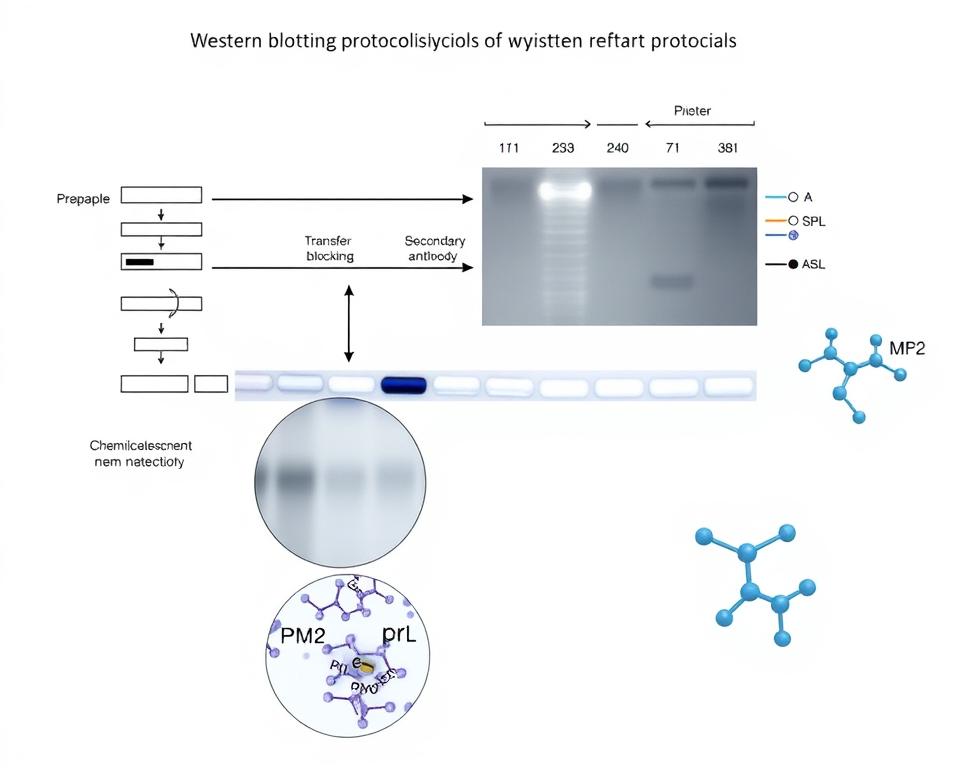
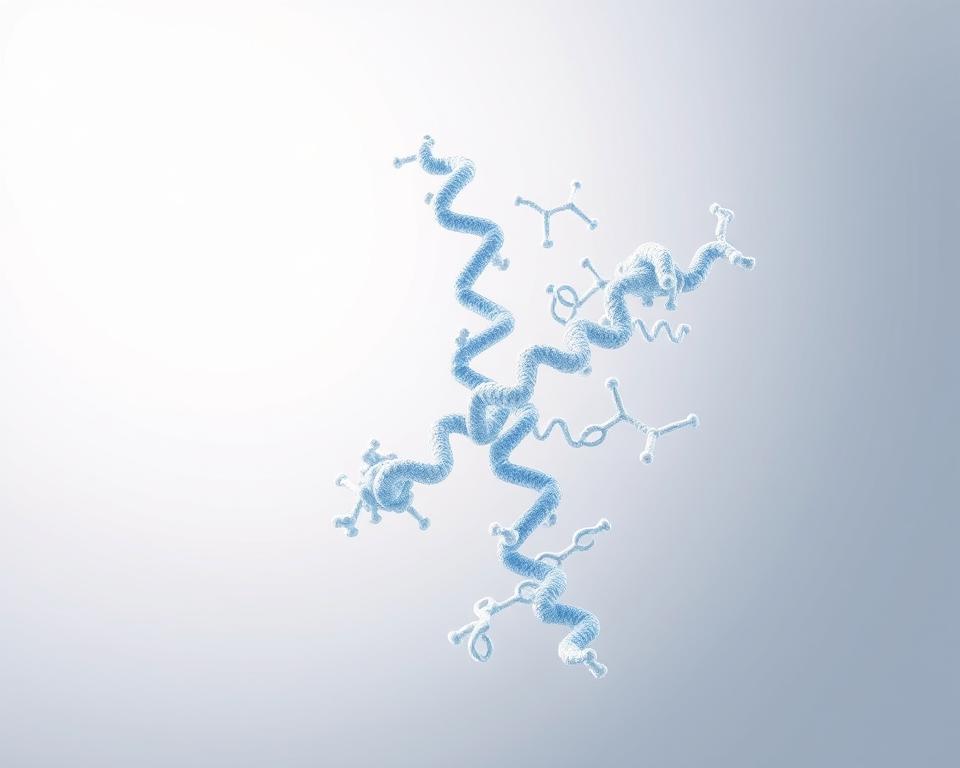
Leave a Comment
Your email address will not be published. Required fields are marked *