

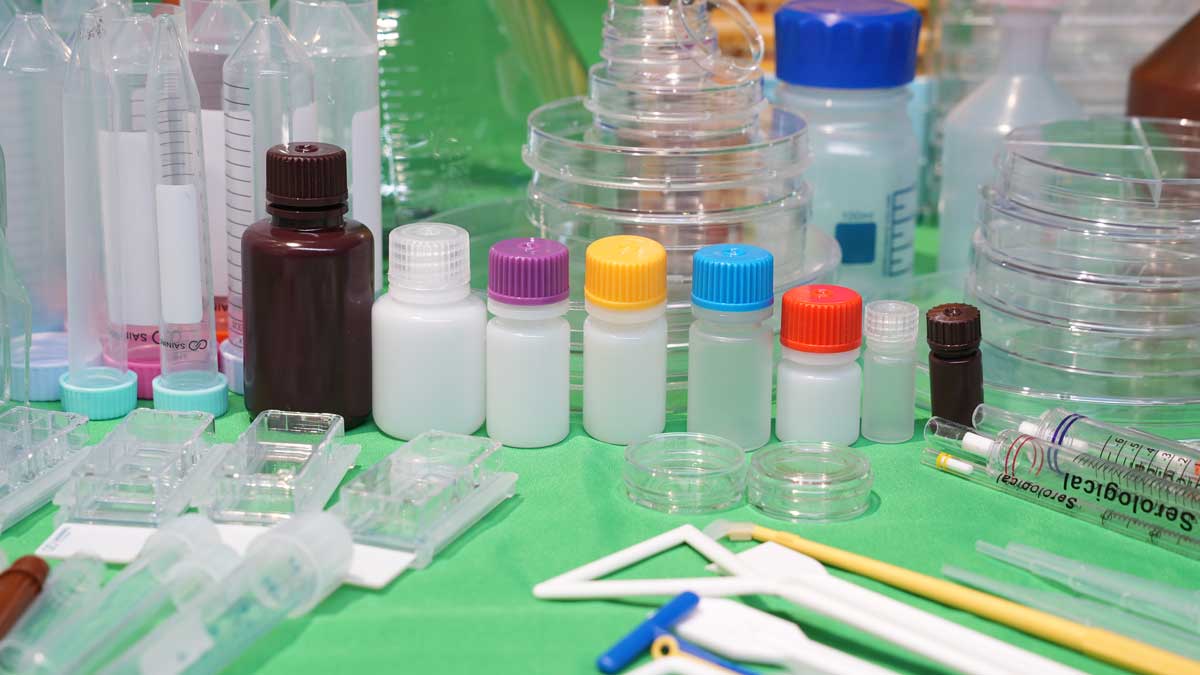
By understanding how to properly prepare and optimize blocking buffers, you can significantly improve your western blot results. We will cover the basic principles of blocking, including how blocking buffers work to prevent non-specific binding of antibodies to the membrane surface.
Key Takeaways
- Understand the importance of blocking in western blot procedures.
- Learn how to prepare effective blocking buffers.
- Discover how to minimize background interference.
- Optimize your western blot results with proper blocking buffer techniques.
- Explore different types of blocking buffers for various experimental conditions.
Understanding the Role of Blocking Buffers in Western Blotting
To achieve reliable results in western blotting, it’s essential to understand the importance of blocking buffers. Western blotting is a laboratory technique used to detect and analyze proteins, and the process involves transferring proteins onto a membrane, typically made of nitrocellulose or polyvinylidene difluoride (PVDF). These membranes have a high affinity for proteins, which is beneficial for capturing target proteins but can also lead to non-specific binding if not properly managed.
Why Blocking is Essential in Western Blot
Blocking is a critical step in the western blotting process that prevents non-specific binding of antibodies to the membrane. The fundamental purpose of blocking buffers is to saturate all potential binding sites on the membrane that aren’t occupied by the transferred proteins, creating a barrier that prevents detection antibodies from binding non-specifically. This step is crucial because it directly impacts the signal-to-noise ratio of the assay, reducing background interference and improving the overall quality of the results.
Membrane materials like nitrocellulose and PVDF have high protein-binding capacity. If unoccupied sites aren’t properly blocked, it can lead to problematic background noise. The quality of blocking directly affects the specificity and sensitivity of your western blot results.
How Blocking Buffers Prevent Non-Specific Binding
Blocking buffers contain proteins or other molecules that have little to no interaction with the detection antibodies or target antigens, making them ideal for creating a protective barrier on the membrane surface. By using a blocking buffer, you can significantly reduce non-specific binding, thereby enhancing the specificity of your western blot. The choice of blocking buffer can vary, with common formulations including milk, normal serum, or highly purified proteins.
The blocking step serves as a critical bridge between protein transfer and antibody incubation. It’s a delicate balance: inadequate blocking can lead to high background noise, while excessive blocking can mask legitimate protein signals. Therefore, optimizing the blocking conditions is key to achieving clear, interpretable results in western blotting.
Types of Western Blot Blocking Buffers
Blocking buffers play a vital role in western blotting by minimizing background noise and enhancing signal clarity. The choice of blocking buffer can significantly impact the outcome of a western blot experiment.
Protein-Based Blocking Buffers
Protein-based blocking buffers are the most commonly used type in western blotting. They include non-fat dry milk, bovine serum albumin (BSA), and casein, each offering distinct advantages for specific applications.
Non-Fat Dry Milk
Non-fat dry milk is an economical and effective blocking agent. It contains multiple proteins that create a robust blocking layer. However, it contains biotin and phosphoproteins that can interfere with certain detection methods.
Bovine Serum Albumin (BSA)
BSA provides a cleaner alternative to milk and is particularly valuable when detecting phosphorylated proteins or using biotin-streptavidin detection systems. Though it’s generally a weaker blocker than milk, BSA is a popular choice for many western blotting applications.
Casein
Casein offers excellent blocking capabilities as a purified milk protein. It doesn’t have the interference issues associated with whole milk, making it suitable for applications where milk components might cause problems.
Non-Protein Blocking Agents
Non-protein blocking agents like polyvinylpyrrolidone (PVP) and polyethylene glycol (PEG) provide alternatives when protein-based blockers might interfere with detection. Though they typically offer less robust blocking, they can be useful in specific situations.
Commercial Blocking Solutions
Commercial blocking solutions offer convenience and consistency. However, they vary widely in composition and performance, requiring testing to determine compatibility with specific antibody-antigen pairs.
As we discussed, the choice of blocking buffer is critical in western blotting. According to experts, “The right blocking buffer can make a significant difference in the quality of your western blot results.” By understanding the different types of blocking buffers available, you can make an informed decision that optimizes your experimental outcomes.
How to Make Basic Milk-Based Blocking Buffer
Preparing a basic milk-based blocking buffer is a straightforward process that requires attention to detail. We will guide you through the necessary steps to create an effective blocking buffer for your western blotting experiments.
Materials and Equipment Needed
To prepare a milk-based blocking buffer, you will need the following materials:
- Non-fat dry milk powder
- Buffer solution (TBS or PBS)
- Tween-20 detergent
- Basic lab equipment such as analytical balance, pH meter, and stirring apparatus
Step-by-Step Preparation Process
To prepare the blocking buffer, follow these steps:
- Prepare fresh buffer solution (TBS or PBS) at the correct pH.
- Gradually add 5% (w/v) non-fat dry milk powder while stirring to ensure complete dissolution.
- Add 0.05-0.1% Tween-20 to enhance blocking efficiency and reduce background.
- Verify and adjust the pH of the final solution if necessary.
- Filter the solution to remove any undissolved particles.
Storage and Shelf Life
Freshly prepared milk-based blocking buffers have a limited shelf life of 1-2 days at 4°C. It’s advisable to prepare fresh solution for each experiment to ensure optimal performance.
Preparing BSA Blocking Buffer for Western Blot

western blot blocking buffer
To achieve optimal results in Western blotting, preparing the right BSA blocking buffer is essential. BSA blocking buffer is particularly useful when working with phosphorylated proteins or biotin-streptavidin detection systems.
Required Ingredients and Tools
The standard BSA blocking buffer consists of 2-5% (w/v) bovine serum albumin in TBS or PBS, with an optional addition of 0.05-0.1% Tween-20 for enhanced blocking efficiency. You will need high-quality, immunoglobulin-free BSA to prevent potential cross-reactivity with secondary antibodies.
Detailed Preparation Instructions
To prepare BSA blocking buffer, carefully dissolve BSA powder in buffer solution, avoiding excessive agitation that can cause foaming and protein denaturation. It’s crucial to use sterile techniques to prevent contamination.
Key considerations: Use high-quality BSA, avoid excessive agitation, and consider adding Tween-20 for improved blocking efficiency.
Proper Storage Conditions
Unlike milk-based buffers, BSA solutions can be stored longer (up to one week at 4°C) when prepared with sterile techniques and supplemented with 0.02% sodium azide as a preservative.
Creating Specialized Blocking Buffers
Specialized blocking buffers play a vital role in optimizing western blot experiments. These buffers are designed to minimize non-specific binding and enhance the specificity of antibody-antigen interactions.
Casein-Based Blocking Buffer
Casein-based blocking buffers offer an excellent alternative to whole milk, providing robust blocking capability without interfering components like biotin and phosphoproteins. To prepare casein buffer, purified casein is typically used at a concentration of 0.5-1% in TBS or PBS, creating a clean blocking solution suitable for a wide range of applications.
Serum-Based Blocking Solutions
Serum-based blocking solutions utilize normal serum from the host species of the secondary antibody, typically at 5% v/v in buffer, to minimize cross-reactivity and provide excellent blocking efficiency. It’s crucial to avoid using serum from the same species as the primary antibody to prevent unwanted interactions.
Detergent-Free Blocking Buffers for Fluorescent Detection
For fluorescent western blot detection, specialized detergent-free blocking buffers are essential as common detergents can auto-fluoresce and create artifacts. Fluorescent detection blocking buffers should be filtered through 0.22 μm filters to remove particles that could create fluorescent artifacts on the membrane.
When creating specialized blocking buffers, it’s essential to consider the specific requirements of your western blot experiment. By choosing the right blocking buffer and optimizing its preparation, you can significantly improve the accuracy and reliability of your results.
- Use casein-based buffers for applications incompatible with whole milk.
- Select serum-based buffers to minimize cross-reactivity with secondary antibodies.
- Opt for detergent-free buffers when using fluorescent detection methods.
Selecting the Right Blocking Buffer for Your Western Blot
Selecting the right blocking buffer is a critical step that can significantly impact the outcome of your western blot. The choice of blocking buffer depends on several factors, including the characteristics of the target protein, the specificity of the antibody, and the detection method used.
Factors to Consider When Choosing a Blocking Agent
When choosing a blocking buffer, several factors need to be considered to ensure optimal results. These include the characteristics of the target protein, antibody compatibility, and the detection method.
Target Protein Characteristics
The nature of the target protein is a crucial factor. For instance, when working with phosphorylated proteins, BSA is the preferred blocking agent because milk contains phosphoproteins that can compete with the target protein and reduce signal intensity.
Antibody Compatibility
Antibody compatibility is another critical factor. It’s essential to avoid using BSA or milk-based blockers with secondary antibodies raised against bovine, goat, sheep, or related species to prevent cross-reactivity and high background.
Detection Method
The detection method directly influences the choice of blocking buffer. For example, for alkaline phosphatase (AP) detection systems, TBS-based buffers are recommended because PBS can inhibit AP activity. For fluorescent detection, detergent-free formulations are preferred to avoid autofluorescence.
Buffer Selection Guide for Different Applications
Different applications require different blocking buffers. The following table summarizes some common scenarios and recommended blocking buffers.
| Application | Recommended Blocking Buffer | Rationale |
|---|---|---|
| Phosphorylated proteins | BSA-based blocker | Avoids competition from phosphoproteins in milk |
| Low-abundance proteins | BSA-based blocker | Typically provides lower background than milk |
| Alkaline phosphatase detection | TBS-based buffer | Avoids inhibition of AP activity by PBS |
| Fluorescent detection | Detergent-free formulation | Prevents autofluorescence |
By considering these factors and guidelines, you can select the most appropriate blocking buffer for your western blot experiments, enhancing the reliability and accuracy of your results.
Optimizing Blocking Conditions for Better Results
To obtain the best possible western blot data, it’s essential to optimize the blocking conditions. The blocking step is a critical component of the western blotting process, as it prevents non-specific binding of antibodies to the membrane. Optimizing this step can significantly improve the signal-to-noise ratio, leading to more accurate and reliable results.
Incubation Time and Temperature
The incubation time and temperature are crucial factors in the blocking process. Standard blocking typically occurs for 1 hour at room temperature, but this can be extended to overnight at 4°C for convenience. However, extended blocking may sometimes lead to reduced antibody binding or increased background. “The optimal incubation time should be determined based on the specific requirements of your experiment,” as it directly impacts the effectiveness of the blocking buffer.
Concentration Optimization
The concentration of the blocking agent is another critical parameter that requires optimization. Different blocking agents have recommended concentration ranges; for example, milk is typically used at 3-5% w/v, BSA at 2-5% w/v, and casein at 0.5-1% w/v. You should test a range of concentrations to find the optimal balance between effective blocking and preserved antigen accessibility. As Dr. Jane Smith, a renowned expert in western blotting, notes, “The key to successful blocking is finding the right concentration that effectively blocks non-specific sites without masking the target antigen.”
Washing Protocols After Blocking
Proper washing after blocking is crucial for removing excess blocking agent and improving primary antibody access to the target protein. The washing buffer should match the base buffer used in blocking, with added detergent (typically 0.05-0.1% Tween-20). A brief rinse in buffer without blocking agent can enhance signal strength. As we optimize the washing protocol, it’s essential to strike a balance between removing excess blocker and preserving the blocking layer.
By carefully optimizing incubation time, temperature, blocker concentration, and washing protocols, you can significantly improve the quality of your western blot results. Remember, the optimal conditions may vary depending on your specific antibody-antigen pair, so empirical testing is often necessary.
Troubleshooting Common Blocking Buffer Issues
Troubleshooting blocking buffer issues is crucial for achieving clear and accurate western blot results. Issues with blocking buffers can lead to a variety of problems, including high background, weak signals, and uneven or patchy blots.
High Background Problems
High background is one of the most common issues encountered in western blotting. This problem can often be traced back to the blocking buffer or protocol. Excessive background may result from insufficient blocking, incompatible blocking agents, or cross-reactivity between the blocker and antibodies. To resolve this, you can try increasing the blocking time, switching to a different blocking agent (e.g., from milk to BSA or vice versa), or improving the washing protocol after blocking.
Weak Signal Issues
Weak signal issues can occur when the blocking buffer is too concentrated or incubated for too long, potentially masking the target epitope and preventing primary antibody binding. If you’re using milk-based blockers and experiencing weak signals, especially with phosphorylated proteins or low-abundance targets, consider switching to BSA or reducing the concentration of milk used.
Uneven or Patchy Blots
Uneven or patchy blots often result from air bubbles trapped between the membrane and the blocking solution. Gentle agitation during the blocking step can help prevent this issue. Additionally, inadequate washing after blocking can leave excess blocker on the membrane, causing uneven antibody binding and resulting in patchy signals across the blot.
Conclusion
To achieve high-quality Western blot results, understanding how to make and optimize blocking buffers is essential. Effective blocking is a critical step that directly impacts the quality and reliability of your experimental results. The choice of blocking buffer should be tailored to your specific experimental conditions, including the nature of your target protein and the antibodies used.
By preparing your own blocking buffers, you can optimize conditions for your particular Western blot assay, though commercial options provide convenience. Regular optimization of blocking conditions is crucial for maintaining high-quality results. With the knowledge gained from this guide, you can confidently prepare and optimize blocking buffers for your Western blot experiments, ensuring cleaner backgrounds and more specific protein detection.
References and further readings:
1.Mahmood, T., & Yang, P. C. (2012). Western blot: technique, theory, and troubleshooting. North American Journal of Medical Sciences, 4(9), 429–434.
https://pmc.ncbi.nlm.nih.gov/articles/PMC3456489/
2.Wu, Y., Li, Q., & Chen, X. Z. (2007). Detecting protein–protein interactions by far western blotting. Nature Protocols, 2(12), 3278–3284.
https://www.nature.com/articles/nprot.2007.459
3.Ghosh, R., Gilda, J. E., & Gomes, A. V. (2014). Strategies for improving confidence in western blot data. Expert Review of Proteomics, 11(5), 549–560.
https://pmc.ncbi.nlm.nih.gov/articles/PMC4791038/
FAQ
What is the purpose of a blocking buffer in Western blotting?
The primary function of a blocking buffer is to prevent non-specific binding of antibodies to the membrane, thereby reducing background noise and increasing the signal-to-noise ratio.
How do I choose the right blocking buffer for my Western blot?
The choice of blocking buffer depends on the specific application, the type of membrane used, and the detection method. You should consider factors such as the type of protein being detected, the sensitivity of the assay, and the compatibility of the blocking buffer with the antibodies and detection reagents.
Can I use milk as a blocking buffer for all Western blot applications?
Milk is a commonly used blocking buffer, but it may not be suitable for all applications. For example, if you are using phospho-specific antibodies, milk may contain phosphoproteins that can interfere with the detection. In such cases, BSA or other protein-based blocking buffers may be more suitable.
How long should I incubate my membrane in the blocking buffer?
The incubation time for blocking can vary depending on the specific conditions and the type of blocking buffer used. Typically, incubation times range from 30 minutes to several hours at room temperature or 4°C.
What are the advantages of using BSA as a blocking buffer?
BSA is a popular blocking buffer due to its high purity, low cost, and ability to effectively block non-specific binding sites on the membrane. It is also compatible with a wide range of antibodies and detection reagents.
How can I optimize my blocking conditions to reduce high background?
To minimize high background, you can try optimizing the concentration of the blocking buffer, adjusting the incubation time and temperature, and using a different blocking buffer or washing protocol.
Can I reuse a blocking buffer?
It is generally not recommended to reuse a blocking buffer, as it may contain contaminants or degraded proteins that can affect the performance of the Western blot. Freshly prepared blocking buffer is recommended for each experiment.
What are some common issues associated with blocking buffers, and how can I troubleshoot them?
Common issues with blocking buffers include high background, weak signal, and uneven or patchy blots. Troubleshooting these issues may involve adjusting the blocking buffer composition, optimizing the incubation conditions, or modifying the washing protocol.
Leo Bios
Hello, I’m Leo Bios. As an assistant lecturer, I teach cellular and
molecular biology to undergraduates at a regional US Midwest university. I started as a research tech in
a biotech startup over a decade ago, working on molecular diagnostic tools. This practical experience
fuels my teaching and writing, keeping me engaged in biology’s evolution.

Leave a Comment
Your email address will not be published. Required fields are marked *