

The debate between Next-Generation Sequencing (NGS) and Sanger sequencing has been a pivotal discussion in the field of genomics. As a matter of fact, it is crucial to understand the differences between these two DNA sequencing technologies, as they have transformed the biological sciences in distinct ways.
We will explore how NGS and Sanger sequencing differ fundamentally in their approach, capabilities, and applications in modern scientific research. Understanding these differences is vital for researchers and clinicians to make informed decisions about which technology best suits their specific needs.
Both Sanger sequencing and NGS have their individual advantages and restrictions, and comprehending these disparities is essential for experimental design, data interpretation, and research output.
Key Takeaways
- Understand the fundamental differences between NGS and Sanger sequencing.
- Learn how these differences impact research and clinical applications.
- Discover the advantages and limitations of each DNA sequencing technology.
- Make informed decisions about which technology to use for specific research needs.
- Explore the evolution of DNA sequencing from the Human Genome Project era to today’s genomic applications.
Understanding DNA Sequencing Technologies
We have witnessed a remarkable journey in DNA sequencing technologies, from their humble beginnings to the sophisticated methods used today. DNA sequencing has become a cornerstone of genomic research, enabling us to understand the complexities of the human genome and other genomes.
The Evolution of DNA Sequencing
The first DNA sequencing method, developed by Frederick Sanger in 1977, revolutionized molecular biology. This method, known as Sanger sequencing, was used for the Human Genome Project, which took 13 years to complete. As technology advanced, limitations in early sequencing methods led to the development of next-generation sequencing (NGS) technologies, significantly improving the speed and efficiency of genomic research.
The Role of Sequencing in Modern Genomics
Modern sequencing technologies have transformed genomics from a specialized research field to an integral part of various scientific disciplines, including medicine, agriculture, and forensics. The decreasing cost and increasing accessibility of sequencing technologies have democratized genomic research, enabling applications that were previously unimaginable. Today, sequencing plays a crucial role in advancing our understanding of the genome and its implications for human health and other areas of research.
Sanger Sequencing: The Original Gold Standard
Sanger sequencing, invented by Frederick Sanger in 1977, revolutionized the field of genetics with its chain-termination method. This technique was the gold standard for DNA sequencing for nearly three decades. We will explore its principles, methodology, and historical significance.
Principles and Methodology
Sanger sequencing uses dideoxynucleotides (ddNTPs) to terminate DNA synthesis at specific points, creating fragments of varying lengths. These fragments are then separated by size using capillary electrophoresis, allowing for the determination of the DNA sequence. The process involves sample preparation, DNA synthesis with fluorescently tagged ddNTPs, and data analysis. This method is highly accurate, with an accuracy rate of over 99%. The key steps in Sanger sequencing include:
- Sample preparation
- DNA synthesis with ddNTPs
- Capillary electrophoresis
- Data analysis
Historical Significance and the Human Genome Project
Sanger sequencing played a crucial role in the Human Genome Project, which aimed to sequence the entire human genome. Although the project’s completion took over a decade due to the method’s limitation of processing one DNA fragment at a time, Sanger sequencing’s high accuracy was instrumental in achieving the project’s goals. The project’s success was a significant milestone in genetics, and Sanger sequencing remains relevant today for targeted gene analysis and validation of results from other sequencing methods.
| Sequencing Method | Accuracy | Throughput |
|---|---|---|
| Sanger Sequencing | >99% | Low to Moderate |
| Next Generation Sequencing | Variable | High |
Next Generation Sequencing (NGS): The Modern Approach
NGS represents a paradigm shift in genomic research, enabling the simultaneous analysis of millions of DNA fragments. This modern approach to DNA sequencing has transformed the field by providing high-throughput capabilities that were previously unimaginable with traditional Sanger sequencing.
Principles and Methodology
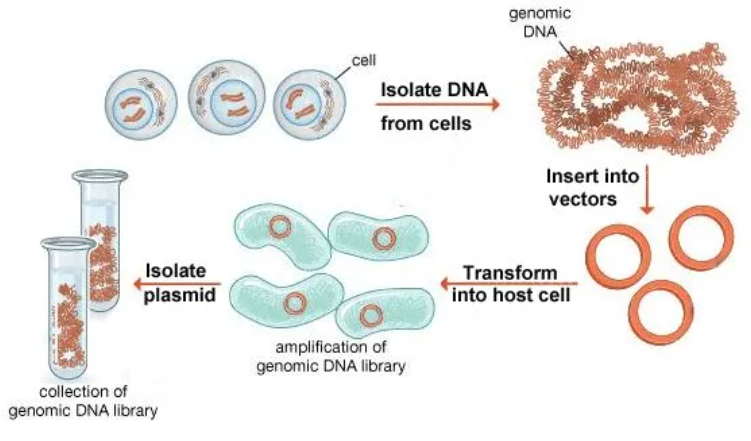
We utilize NGS to sequence DNA fragments in a massively parallel manner, significantly increasing the throughput and efficiency of genomic analysis. The process involves library preparation, where DNA is fragmented and adapters are added, followed by amplification and sequencing. The data analysis is then performed to interpret the vast amounts of sequencing data generated.

sanger sequencing
Types of NGS Technologies
There are several NGS technologies available, including sequencing by synthesis (Illumina), ion semiconductor sequencing (Ion Torrent), and single-molecule real-time sequencing (PacBio). Each technology employs different mechanisms, such as reversible terminator chemistry, pyrosequencing, and nanopore-based approaches, to achieve high-throughput sequencing results. These diverse technologies enable researchers to choose the most appropriate method based on their specific research needs and applications.
By leveraging these NGS technologies, we can conduct comprehensive genomic analyses, including whole-genome sequencing and transcriptome analysis, which were previously impractical with Sanger sequencing. This has opened new avenues for research in genetics and genomics.
Next Gen Sequencing vs Sanger: Key Differences
Understanding the differences between NGS and Sanger sequencing is vital for selecting the appropriate method for genetic analysis. We will delve into the key differences between these two technologies across several critical parameters.
Sequencing Process and Read Length
The sequencing process differs significantly between NGS and Sanger sequencing. Sanger sequencing sequences a single DNA fragment at a time, whereas NGS performs massively parallel sequencing of millions of fragments simultaneously. In terms of read length, Sanger sequencing typically produces longer reads (500-1000 base pairs), while NGS generates shorter reads but at a much higher volume.
Throughput and Scalability
NGS offers a dramatic increase in throughput and scalability compared to Sanger sequencing. NGS can sequence entire genomes in a matter of days, a task that would take years with Sanger sequencing. This makes NGS ideal for large-scale genomic studies.
Accuracy and Sensitivity
While Sanger sequencing is known for its high accuracy for individual reads, NGS achieves statistical accuracy through depth of coverage. Moreover, NGS offers superior sensitivity, particularly in detecting low-frequency variants and rare mutations present in as little as 1% of DNA molecules, compared to Sanger’s detection limit of around 15-20%.
Cost Considerations
The cost of sequencing has been significantly reduced with NGS for large-scale projects. However, Sanger sequencing remains cost-effective for small, targeted analyses.
Applications and Use Cases
Sanger sequencing and NGS are two distinct approaches to DNA sequencing, each with its own strengths and ideal applications. Understanding when to use each technology is crucial for achieving the desired outcomes in various genomic studies.
When to Use Sanger Sequencing
Sanger sequencing remains a viable option for sequencing a limited number of targets, such as single genes or short DNA fragments. Its familiarity, robustness, and cost-effectiveness make it suitable for small-scale sequencing projects requiring high accuracy and specificity. We recommend using Sanger sequencing for validating mutations, sequencing small targeted regions, and analyzing samples with limited DNA.
When to Use Next Generation Sequencing
NGS emerges as the favored approach for high-throughput genomics and exhaustive genomic scrutiny, presenting unmatched throughput and breadth of coverage. Its capacity to simultaneously scrutinize hundreds to thousands of genes empowers researchers to dissect intricate biological systems and unveil novel genetic variants spanning entire genomes or targeted regions. NGS is ideal for whole-genome sequencing, transcriptome analysis, metagenomics, and large-scale mutation screening in cancer research.
Complementary Use of Both Technologies
Both Sanger sequencing and NGS can be used complementarily in research and clinical settings. NGS can provide broad screening, while Sanger sequencing can confirm specific findings. This combined approach enables researchers to leverage the strengths of each technology, ensuring comprehensive and accurate genomic analysis. As stated by a renowned genomics expert,
By understanding the applications and use cases of Sanger sequencing and NGS, researchers can make informed decisions about which technology to use for their specific needs, ultimately driving advancements in genomic research and its applications.
Advantages and Limitations
When evaluating DNA sequencing technologies, it’s crucial to consider the advantages and limitations of both Sanger sequencing and Next Generation Sequencing (NGS). As researchers, we need to weigh the strengths and weaknesses of each technology to make informed decisions about which method to use for our studies.
Strengths and Weaknesses of Sanger Sequencing
Sanger sequencing is renowned for its exceptional accuracy and reliability in targeted sequencing applications. Its established protocols and straightforward data analysis make it an ideal choice for validating variants and sequencing specific genomic regions or genes. However, Sanger sequencing is limited by its low throughput and higher per-base cost for large projects, making it less suitable for whole-genome sequencing or large-scale studies.
The benefits of Sanger sequencing include its ability to achieve enhanced sequencing depth, facilitating heightened sensitivity in detecting variants at low frequencies. Nevertheless, its limitations, such as difficulty with heterogeneous samples and challenges with certain DNA regions, must be considered.
Strengths and Weaknesses of Next Generation Sequencing
NGS technologies offer massively parallel processing, enabling the simultaneous analysis of multiple genes and genomic regions. This capability, combined with its cost-effectiveness for large-scale projects, makes NGS an attractive choice for whole-genome sequencing and comprehensive genomic analysis. However, NGS is not without its limitations, including shorter read lengths in some platforms and complex bioinformatics requirements.
Despite these challenges, NGS provides unparalleled opportunities for discovery and analysis of novel genetic elements and variants. By understanding the strengths and weaknesses of NGS, researchers can harness its power to gain deeper insights into genetic intricacies and diversity.
Conclusion: The Future of DNA Sequencing Technologies
The future of DNA sequencing technologies is poised to revolutionize genomic research, with NGS and Sanger sequencing at the forefront. As we advance, it’s clear that both technologies will continue to play crucial roles in understanding the genome and advancing genomics.
Emerging sequencing technologies, including long-read sequencing, are pushing the boundaries of what’s possible in genomic analysis. These advancements are making whole genome sequencing more accessible and enabling researchers to explore the intricacies of the genome in greater depth.
As DNA sequencing becomes more powerful, portable, and affordable, its applications in research, medicine, and other fields are expanding. The growing integration of sequencing technologies into clinical practice, particularly in cancer genomics and rare disease diagnosis, is transforming the landscape of personalized medicine.
We must select the appropriate sequencing technology based on specific research or clinical needs, rather than defaulting to the newest method. By leveraging the strengths of both NGS and Sanger sequencing, we can unlock new frontiers in biological research and clinical diagnostics.
References and further readings:
1.Grada, A., & Weinbrecht, K. (2013). Next-generation sequencing: methodology and application. Journal of Investigative Dermatology, 133(8), 1–7.
https://www.sciencedirect.com/science/article/pii/S0022202X153638312.Baudhuin, L. M., Lagerstedt, S. A., Klee, E. W., Fadra, N., et al. (2015). Confirming variants in next-generation sequencing panel testing by Sanger sequencing. The Journal of Molecular Diagnostics, 17(4), 456–461.
https://www.sciencedirect.com/science/article/pii/S15251578150007683.Park, J., Jang, W., Chae, H., Kim, Y., et al. (2016). Comparison of Targeted Next-Generation and Sanger Sequencing for the BRCA1 and BRCA2 Mutation Screening. Annals of Laboratory Medicine, 36(3), 197–201.
https://synapse.koreamed.org/upload/synapsedata/pdfdata/3039alm/alm-36-197.pdf
FAQ
What is the main difference between Sanger sequencing and Next Generation Sequencing (NGS)?
Sanger sequencing is a traditional method that sequences a single DNA fragment at a time, whereas NGS is a massively parallel technology that can sequence millions of DNA fragments simultaneously, offering higher throughput and scalability.
How does the read length of Sanger sequencing compare to NGS?
Sanger sequencing typically produces longer read lengths, often up to 1,000 nucleotides, whereas NGS technologies usually generate shorter reads, ranging from 50 to 600 nucleotides, depending on the platform.
What are the advantages of using NGS over Sanger sequencing?
NGS offers several advantages, including higher throughput, lower cost per base, and the ability to detect rare variants and analyze complex genomic regions, making it ideal for large-scale genomic studies and discovery applications.
When should I use Sanger sequencing instead of NGS?
Sanger sequencing is preferred for smaller-scale projects, validating NGS results, or analyzing specific genomic regions, such as verifying variants or sequencing a single gene, due to its higher accuracy and simplicity.
Can Sanger sequencing and NGS be used together?
Yes, both technologies can be used complementarily, with NGS used for initial discovery and Sanger sequencing used for validation or further characterization of specific variants or regions of interest.
How do I choose the right DNA sequencing technology for my research?
The choice between Sanger sequencing and NGS depends on the research question, project scale, and desired outcome, requiring consideration of factors such as read length, throughput, accuracy, and cost.
What are the limitations of NGS compared to Sanger sequencing?
While NGS offers many advantages, it can be limited by its shorter read lengths, higher error rates, and the need for sophisticated data analysis, whereas Sanger sequencing is generally more accurate but less scalable.
How has the development of NGS impacted genomic research?
NGS has revolutionized genomic research by enabling the rapid, cost-effective analysis of large genomes, facilitating the discovery of new genes, variants, and regulatory elements, and transforming our understanding of genomic complexity.
Leo Bios
Hello, I’m Leo Bios. As an assistant lecturer, I teach cellular and
molecular biology to undergraduates at a regional US Midwest university. I started as a research tech in
a biotech startup over a decade ago, working on molecular diagnostic tools. This practical experience
fuels my teaching and writing, keeping me engaged in biology’s evolution.
Leave a Comment
Your email address will not be published. Required fields are marked *