SKU: WR4171 Categories: ,

U-Blot® YTHDF1 Rabbit mAb

Price range: $268.00 through $328.00

SKU: WR4171-50
Enter the quantity you would like, or drag the panel to find the quantity and price that best for you
Bulk QuoteAuthorize OEM & ODM

Product details

Background:Enables N6-methyladenosine-containing RNA binding activity and ribosome binding activity. Involved in mRNA destabilization; positive regulation of translational initiation; and stress granule assembly. Located in P-body and cytoplasmic stress granule. [provided by Alliance of Genome Resources, Apr 2022]


Specifications

Size50μL/100μL
TargetYTHDF1
ReactivityHuman, Mouse, Rat
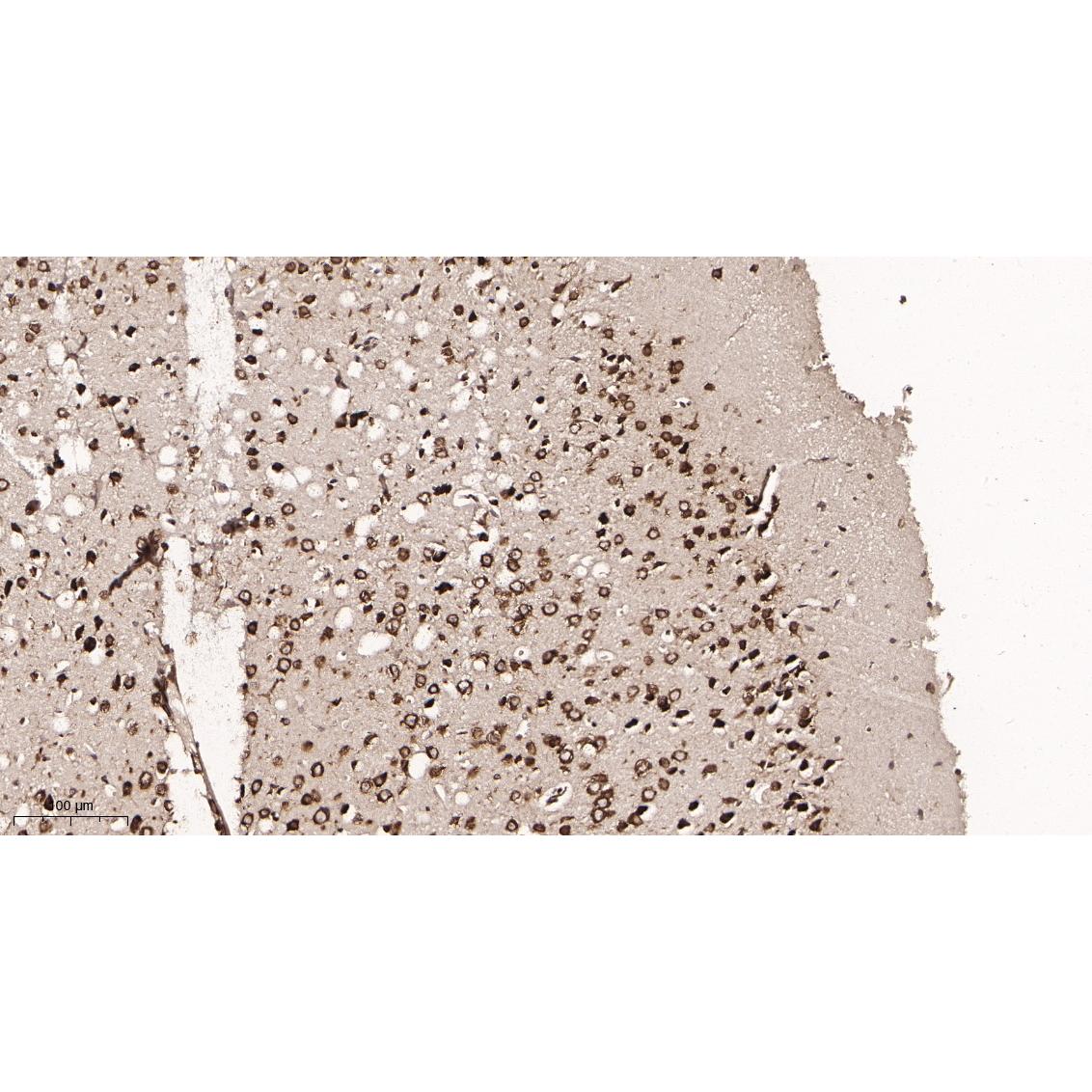
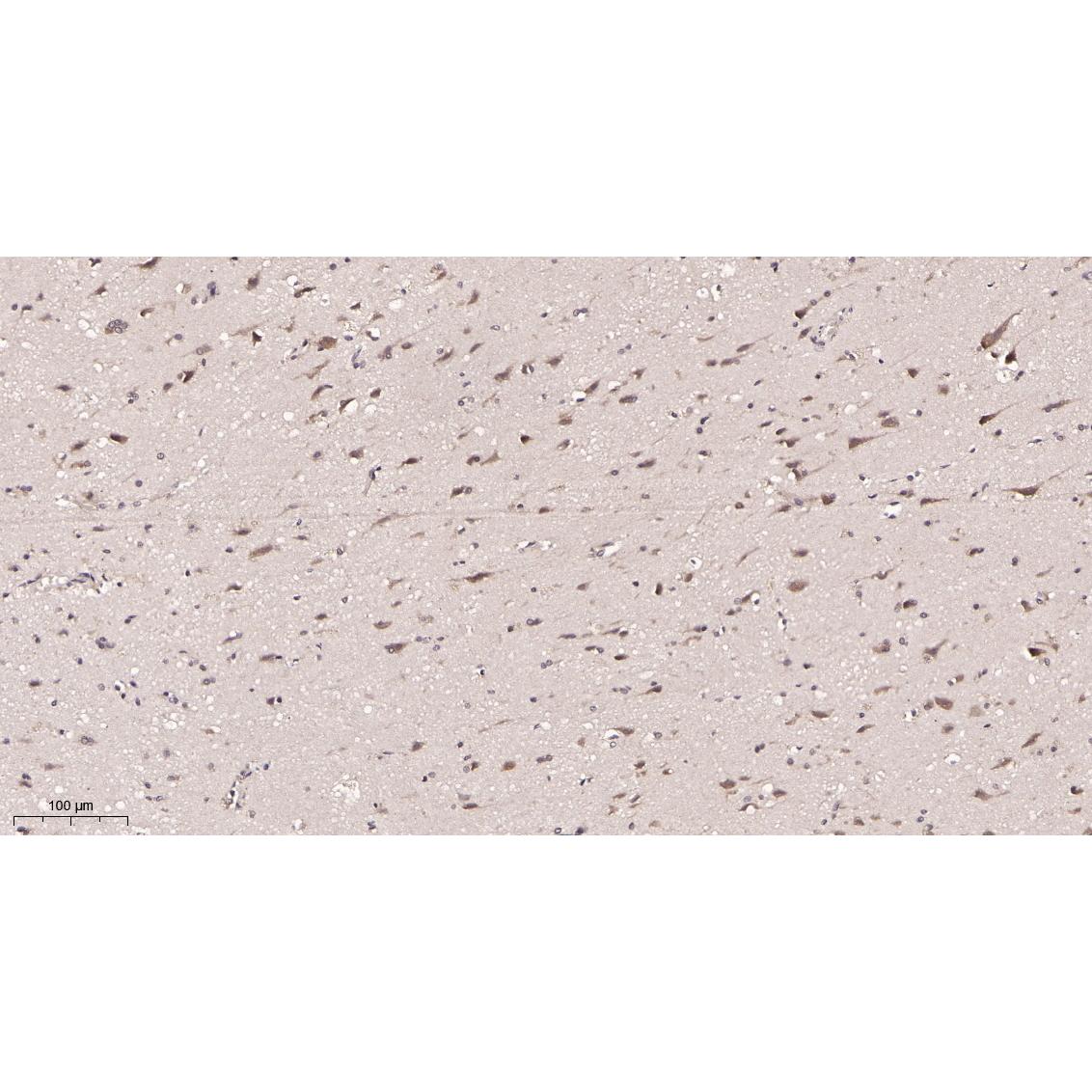
ApplicationsWB, IHC, IF, IP, ELISA
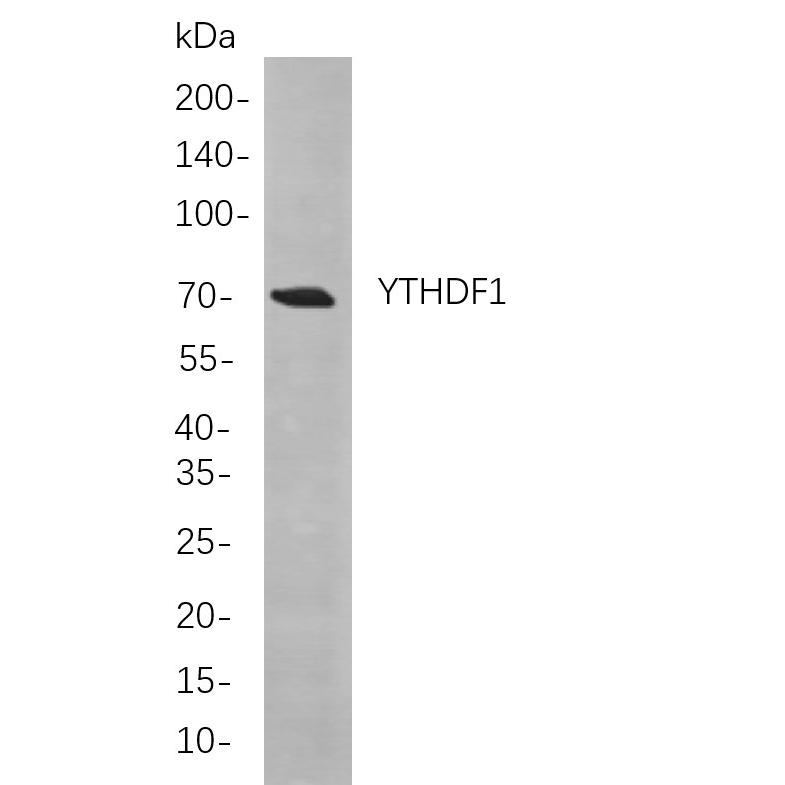
MW(Calculated)61kD
MW(Observed)70kD
Host SpeciesRabbit
IsotypeIgG,Kappa
Conjugate/ModificationUnmodified
Recommended Dilution RatioIHC 1:200-1:1000; WB 1:1000-1:5000; IF 1:200-1:1000; ELISA 1:5000-1:20000; IP 1:50-1:200, / Note: For IHC, we suggest antigen retrieval with TE buffer pH 9.0 (Cat#WT1004)
FormulationPBS, 50% glycerol, 0.05% Proclin 300, 0.05%BSA
PurificationRecombinant Antibody expressed in animal component-free (ACF) media, purified via Protein A affinity chromatography.
Storage-15°C to -25°C/1 year(Do not lower than -25°C)
Concentration
ClonalityMonoclonal
Clone NumberRM0326R
ImmunogenThe specific immunogen used to produce this antibody is proprietary information.
SpecificityEndogenous
Gene NameYTHDF1
Protein NameYTH domain family protein 1
Other NameC20orf21; / DACA 1; / DACA-1; / Dermatomyositis associated with cancer putative autoantigen 1; / YTH domain family 1; / YTH domain family member 1; / YTH domain family protein 1; / YTHD1; / YTHD1_HUMAN; / Ythdf1
SpeciesHuman
Gene ID54915
UniprotQ9BYJ9,
Species.1Mouse
Gene ID.1228994
Uniprot.1P59326
Species.2
Gene ID.2
Uniprot.2
Cellular LocalizationCytoplasm
Tissue ExpressionIn brain, preferentially expressed in the hippocampus. {ECO:0000269|PubMed:30401835}.
Signaling_pathway
Research Areas
FunctionSpecifically recognizes and binds N6-methyladenosine (m6A)-containing mRNAs, and regulates their stability (PubMed:30401835, PubMed:32943573). M6A is a modification present at internal sites of mRNAs and some non-coding RNAs and plays a role in mRNA stability and processing (PubMed:30401835, PubMed:32943573). Acts as a regulator of mRNA stability by promoting degradation of m6A-containing mRNAs via interaction with the CCR4-NOT complex (By similarity). The YTHDF paralogs (YTHDF1, YTHDF2 and YTHDF3) share m6A-containing mRNAs targets and act redundantly to mediate mRNA degradation and cellular differentiation (PubMed:32943573). Required to facilitate learning and memory formation in the hippocampus by binding to m6A-containing neuronal mRNAs (PubMed:30401835). Acts as a regulator of axon guidance by binding to m6A-containing ROBO3 transcripts (PubMed:30843071). Acts as a negative regulator of antigen cross-presentation in myeloid dendritic cells (PubMed:30728504). In the context of tumorigenesis, negative regulation of antigen cross-presentation limits the anti-tumor response by reducing efficiency of tumor-antigen cross-presentation (PubMed:30728504). Promotes formation of phase-separated membraneless compartments, such as P-bodies or stress granules, by undergoing liquid-liquid phase separation upon binding to mRNAs containing multiple m6A-modified residues: polymethylated mRNAs act as a multivalent scaffold for the binding of YTHDF proteins, juxtaposing their disordered regions and thereby leading to phase separation (By similarity). The resulting mRNA-YTHDF complexes then partition into different endogenous phase-separated membraneless compartments, such as P-bodies, stress granules or neuronal RNA granules (By similarity).
Please login to post questions

Back to Top
Product has been added to your cart
