

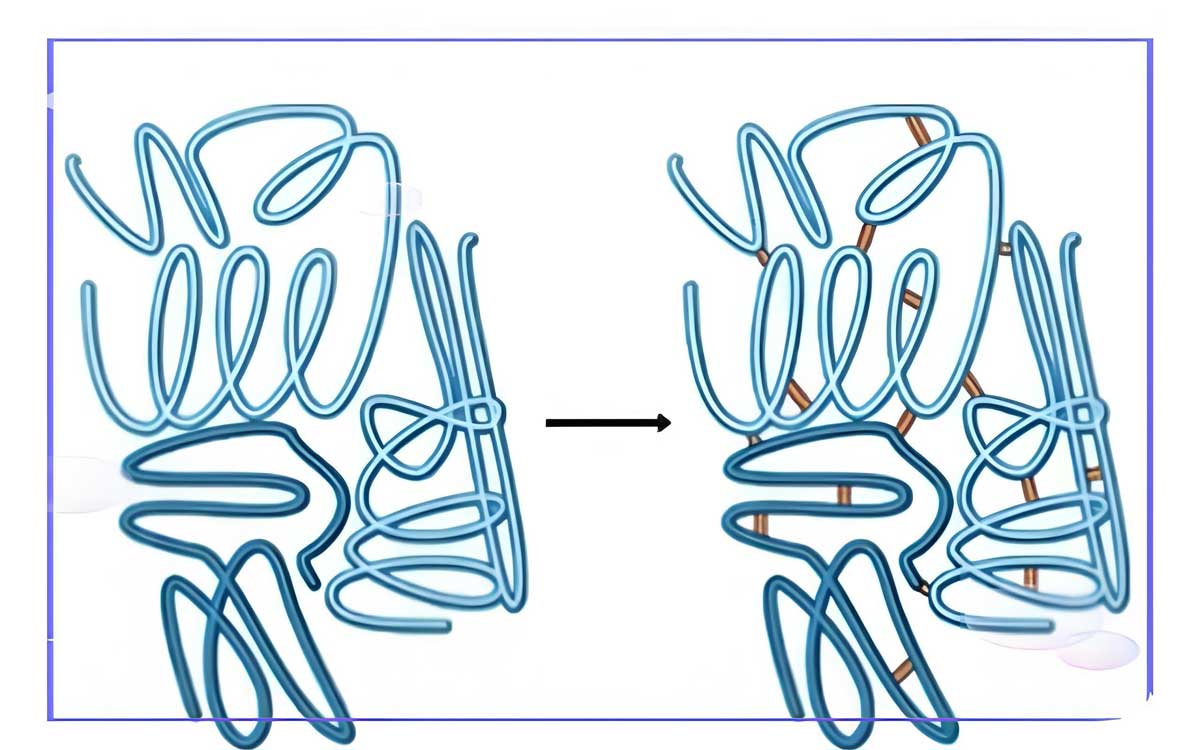
Flow cytometry is a powerful technique used to analyze and sort cells based on their characteristics. FKBS solution plays a crucial role in this process, enabling researchers to prepare samples for accurate analysis. We will explore how FKBS solution contributes to the success of flow cytometry experiments.
In flow cytometry, the preparation of cells is critical for obtaining reliable results. FKBS solution is used to enhance the quality of cell samples, ensuring that the data collected is accurate and meaningful. By understanding the role of FKBS solution, researchers can optimize their flow cytometry protocols.
As we delve into the details of FKBS solution, we will cover its composition, preparation, and applications in various flow cytometry experiments. This will provide a comprehensive understanding of its significance in cell analysis.
Key Takeaways
- FKBS solution is essential for sample preparation in flow cytometry experiments.
- It enhances the quality of cell samples for accurate analysis.
- Understanding FKBS solution is crucial for optimizing flow cytometry protocols.
- FKBS solution plays a significant role in obtaining reliable results in cell analysis.
- The composition and preparation of FKBS solution are vital for its effectiveness.
Understanding Flow Cytometry Basics
To grasp the full potential of flow cytometry, it’s essential to understand its fundamental principles and components. Flow cytometry is a sophisticated technique used to analyze and sort cells based on their physical and chemical characteristics. As a researcher, understanding the basics of flow cytometry will help you leverage its capabilities in your work.
Principles of Flow Cytometry
Flow cytometry operates on the principle of analyzing cells as they pass through a detection system one by one. Cells are typically labeled with fluorescent markers, such as antibodies against specific cell surface markers, fluorescent dyes, or expressed fluorescent proteins. The combination of light scatter measurements and fluorescence detection allows for the identification and characterization of different cell populations.
The process involves preparing samples for fluorescence measurement through various methods, including transfection and expression of fluorescent proteins like Green Fluorescent Protein (GFP), staining with fluorescent dyes such as Propidium Iodide for DNA analysis, or staining with fluorescently conjugated antibodies like CD3 FITC.
Key Components of a Flow Cytometer
A flow cytometer consists of several key components, including a fluidics system, optics, and electronics. The fluidics system is responsible for transporting cells through the instrument, while the optics system includes lasers and detectors that measure light scatter and fluorescence. The electronics process the detected signals, allowing for the analysis of cell characteristics.
How Cells Are Analyzed in Flow Cytometry
As cells pass through the flow cytometer’s detection system, they are analyzed based on their light scatter properties and fluorescence. This analysis enables researchers to identify and characterize different cell populations. The data is typically displayed using dot plots, histograms, and other visualization methods, facilitating the understanding of complex cell populations.
Proper sample preparation, including the use of solutions like FKBS, is crucial for obtaining accurate and reliable analysis results. By understanding how cells are analyzed in flow cytometry, you can optimize your experimental protocols to achieve high-quality data.
What is FKBS Solution in Flow Cytometry
In flow cytometry, FKBS solution is a critical component for accurate cell analysis. We will explore its definition, historical development, and importance in flow cytometry experiments.
Definition and Purpose of FKBS Solution
FKBS solution, or FACS blocking solution, is a specially formulated buffer used to minimize non-specific antibody binding during flow cytometry experiments. Its primary purpose is to block Fc receptors on the surface of cells, thereby reducing background fluorescence and improving the signal-to-noise ratio. By using FKBS solution, researchers can ensure more accurate and reliable results in their experiments.
The composition of FKBS solution typically includes ingredients such as bovine serum albumin, HEPES, MgCl2, and DNase I. For example, a common sorting buffer (HBSS-full) is prepared using 1x Hank’s Balanced Salt Solution (HBSS) supplemented with 10 mM HEPES, 2.5 mg/ml bovine serum albumin, 0.05 mM MgCl2, and 0.2 U/ml DNase I.
Historical Development of FKBS
The development of FKBS solution is rooted in the need to improve the specificity and sensitivity of flow cytometry experiments. Over the years, researchers have refined the formulation of FKBS to address issues related to non-specific binding and background fluorescence. Today, FKBS is a crucial component in many flow cytometry protocols.
Why FKBS is Important in Flow Cytometry Experiments
FKBS solution is essential for maintaining cell viability and reducing non-specific antibody binding during the staining process. By minimizing background fluorescence, FKBS helps improve the signal-to-noise ratio, enabling researchers to detect specific cell markers more effectively.
The use of FKBS solution is particularly crucial in experiments involving complex cell populations or rare cell types. In such cases, FKBS helps to ensure accurate and meaningful data by reducing false positive signals.
| Benefits of FKBS Solution | Description |
|---|---|
| Reduces Non-Specific Binding | Minimizes false positive signals by blocking Fc receptors on cell surfaces. |
| Improves Signal-to-Noise Ratio | Enhances detection of specific cell markers by reducing background fluorescence. |
| Maintains Cell Viability | Prevents cell death during the staining process, ensuring accurate analysis results. |
Components of FKBS Solution
Understanding the components of FKBS solution is essential for optimizing its performance in flow cytometry applications. The FKBS solution is a complex mixture that plays a crucial role in preventing non-specific binding and enhancing the resolution of cell populations.
Primary Ingredients in FKBS
The primary ingredients in FKBS solution include fetal bovine serum (FBS) and various buffer components. FBS is used for its ability to block non-specific binding sites on cells, particularly on macrophages and monocytes. The buffer components, on the other hand, help maintain the stability and viability of cells during the flow cytometry process.
Role of Each Component
Each component in the FKBS solution serves a specific purpose. The FBS acts as a blocking agent, reducing non-specific binding and improving the signal-to-noise ratio in flow cytometry experiments. The buffer components work together to maintain optimal pH and osmotic balance, ensuring that cells remain viable and intact throughout the analysis.
Quality Considerations for FKBS Components
When preparing FKBS solution, several quality considerations must be taken into account. The purity and source of FBS can significantly impact the performance of FKBS in flow cytometry experiments. Using high-quality, analytical-grade chemicals for buffer components is also crucial for ensuring consistency and reliability. Proper storage conditions for FKBS components are vital to maintain their stability and functionality over time. Some key quality control measures include:
- Verifying the purity and source of FBS to ensure optimal blocking efficiency.
- Using analytical-grade chemicals for preparing buffer components.
- Maintaining proper storage conditions to preserve the stability of FKBS components.
- Implementing quality control measures to ensure FKBS solution performs optimally.
By focusing on these quality considerations, you can ensure that your FKBS solution is effective and reliable in flow cytometry applications.
How to Prepare FKBS Solution
To ensure accurate results in flow cytometry, it’s essential to prepare FKBS solution correctly. We will guide you through the preparation process, storage requirements, and factors affecting the solution’s stability.
Step-by-Step Preparation Protocol
Preparing FKBS solution involves mixing specific components. To prepare a complete cell culture medium (C10), you will need to combine RPMI1640 with 10% fetal bovine serum, 1 mM sodium pyruvate, 1% 100 MEM non-essential amino acids, 10 mM HEPES, 55 µM 2-mercaptoethanol, 2 mM L-glutamine, and 100 U/ml penicillin-streptomycin. Accurate measurement of these components is crucial for the quality of the FKBS solution.
Here’s a summary of the preparation steps:
- Combine the base medium (RPMI1640) with the required supplements.
- Add 10% fetal bovine serum to enhance cell growth.
- Incorporate 1 mM sodium pyruvate and 1% 100 MEM non-essential amino acids for nutritional support.
- Buffer the solution with 10 mM HEPES.
- Add 55 µM 2-mercaptoethanol as an antioxidant.
- Include 2 mM L-glutamine for cellular metabolism.
- Supplement with 100 U/ml penicillin-streptomycin to prevent microbial contamination.
Storage Requirements
Proper storage of FKBS solution is vital to maintain its quality and effectiveness over time. Store the solution in a refrigerator at 2-8°C, protected from light. Ensure the container is tightly sealed to prevent contamination.
Shelf Life and Stability Considerations
The shelf life of FKBS solution depends on storage conditions and handling practices. Factors such as temperature fluctuations, microbial contamination, and oxidation can affect its stability. Regularly inspect the solution for signs of degradation or contamination, such as changes in color, clarity, or the presence of precipitates.
| Storage Condition | Expected Shelf Life | Signs of Degradation |
|---|---|---|
| 2-8°C, protected from light | Up to 6 months | Color change, turbidity, or precipitate formation |
| Room temperature (20-25°C) | Less than 1 month | Microbial growth, significant color change |
By following these guidelines, you can ensure the FKBS solution remains effective throughout its storage period, saving you time and resources in your flow cytometry experiments.
Role of FKBS in Sample Preparation
In flow cytometry, the role of FKBS solution in sample preparation is crucial for obtaining accurate results. The quality of sample preparation directly impacts the reliability of the data obtained from flow cytometry experiments.
Cell Blocking Functions
The primary function of FKBS is to block non-specific binding sites on cells, thereby reducing background fluorescence. By doing so, FKBS minimizes the binding of antibodies to non-target cells or cellular components, which can otherwise lead to false-positive results. This is particularly important when working with immune cells that express Fc receptors, as these can bind to the Fc portion of antibodies.
Reducing Non-Specific Binding
A common cause of non-specific binding is the interaction between the Fc portion of antibodies and Fc receptors on immune cells. FKBS solution effectively reduces this non-specific binding by blocking these Fc receptors, thus improving the specificity of antibody staining. As a result, the signal-to-noise ratio is significantly enhanced, allowing for more accurate detection of specific cell populations.
Optimizing Signal-to-Noise Ratio
By reducing background fluorescence and non-specific binding, FKBS solution plays a crucial role in optimizing the signal-to-noise ratio in flow cytometry experiments. This is particularly important for detecting markers with low expression levels, where a high signal-to-noise ratio is critical for accurate analysis. With FKBS, you can improve the resolution between positive and negative cell populations, leading to more reliable data interpretation.

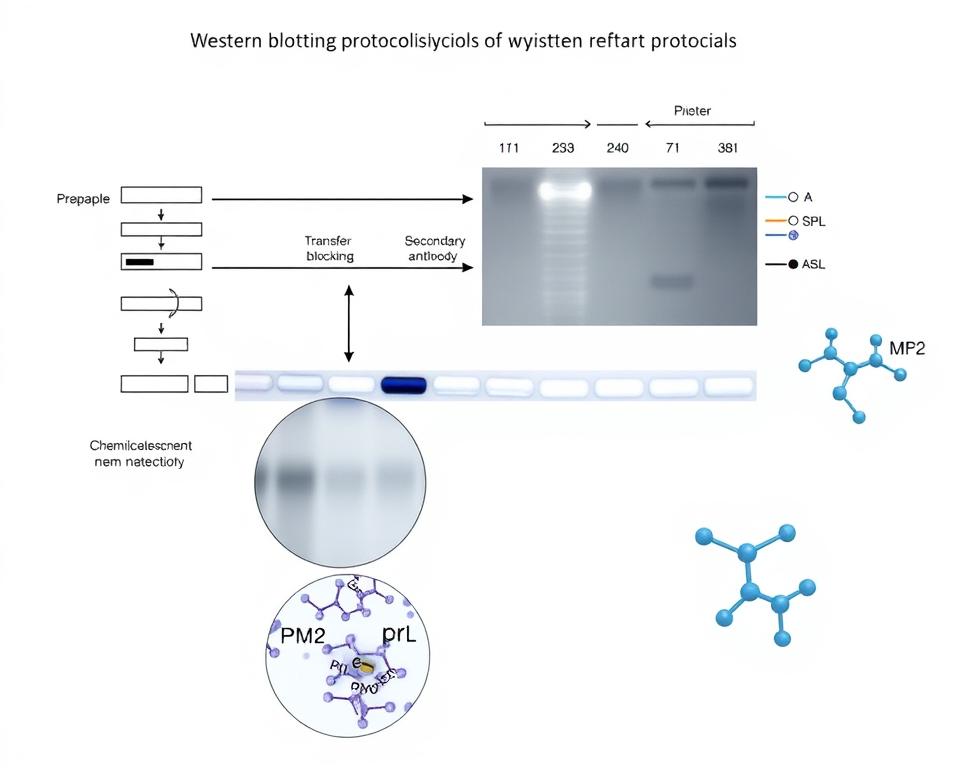
Flow cytometry images
In challenging flow cytometry applications, optimizing the signal-to-noise ratio with FKBS solution is particularly critical. By minimizing autofluorescence and non-specific staining, FKBS helps to unmask true positive signals, enabling more accurate analysis of complex cell populations.
FKBS Solution in Cell Staining Protocols
The FKBS solution plays a crucial role in cell staining protocols, particularly when it comes to integrating with antibody staining techniques. In flow cytometry, accurate and specific staining is essential for identifying and characterizing different cell populations.
Integration with Antibody Staining
The FKBS solution is used to block non-specific binding sites on the surface of cells, thereby enhancing the specificity of antibody staining. By reducing background fluorescence, FKBS improves the signal-to-noise ratio, allowing for clearer identification of cell markers. When integrating FKBS with antibody staining, it is essential to consider the concentration of FKBS and the type of antibodies being used. Optimizing these parameters can significantly impact the quality of the staining results.
For instance, after centrifugation in step 5.1.6, aspirating the supernatant and resuspending the cell pellet in 500 µl FACS loading solution is a critical step. Transferring the cell suspension into a 12 x 75 mm round-bottom tube (FACS tube) and keeping it on ice in the dark until sorting within 1 hour helps maintain cell viability and staining integrity.
Timing of FKBS Application
The timing of FKBS application is critical in cell staining protocols. Typically, FKBS is applied before antibody staining to block non-specific binding sites. The duration of FKBS treatment can vary depending on the cell type and the specific requirements of the experiment. It is crucial to optimize the incubation time to achieve the best results without compromising cell viability.
Compatibility with Different Cell Types
FKBS solution is compatible with various cell types commonly analyzed in flow cytometry. However, different cell types may respond differently to FKBS treatment based on their surface properties and receptor expression. For example, certain cell types may require adjusted FKBS concentrations or incubation times. The table below summarizes the compatibility of FKBS with different cell types and provides guidelines for adjusting the protocol.
| Cell Type | FKBS Concentration | Incubation Time |
|---|---|---|
| Primary Cells | 1:100 | 10 minutes |
| Cell Lines | 1:50 | 15 minutes |
| Adherent Cells | 1:200 | 5 minutes |
By understanding the compatibility of FKBS with different cell types and adjusting the protocol accordingly, researchers can optimize their cell staining protocols for better results.
Optimizing FKBS Usage for Better Results
Proper optimization of FKBS solution is vital for minimizing background fluorescence and maximizing signal clarity. To achieve this, we need to consider several key factors that influence the effectiveness of FKBS in flow cytometry experiments.
Titration of FKBS Concentration
Determining the optimal concentration of FKBS is crucial for its effectiveness. Titration experiments help identify the ideal amount of FKBS required to block non-specific binding without compromising the signal. We recommend starting with a range of FKBS concentrations and assessing their impact on sample staining.
Adjustments for Different Cell Populations
Different cell types may require adjustments in FKBS usage. For instance, certain cell populations might be more prone to non-specific binding, necessitating a higher concentration of FKBS or a longer incubation time. It’s essential to validate FKBS usage for each specific cell type to ensure optimal results.
Validation Techniques for FKBS Effectiveness
To validate the effectiveness of FKBS, we can employ several techniques, including the use of isotype controls and Fluorescence Minus One (FMO) controls. These controls help assess the blocking efficiency of FKBS and its impact on signal-to-noise ratio. The table below summarizes the key validation techniques and their benefits.
| Validation Technique | Description | Benefits |
|---|---|---|
| Isotype Controls | Used to assess non-specific binding of antibodies | Helps evaluate FKBS blocking efficiency |
| FMO Controls | Used to determine the background fluorescence of a particular channel | Assesses the impact of FKBS on signal-to-noise ratio |
| Sample Staining | Used to evaluate the overall staining quality | Provides insight into FKBS effectiveness in experimental conditions |
By optimizing FKBS usage and employing appropriate validation techniques, we can significantly improve the quality and reliability of our flow cytometry data.
Troubleshooting Common Issues with FKBS
When using FKBS solution in flow cytometry experiments, researchers often encounter several common issues that can be resolved with proper troubleshooting techniques. FKBS is a critical reagent used to reduce non-specific binding and improve the signal-to-noise ratio. However, its application can sometimes lead to challenges that need to be addressed.
High Background Fluorescence Problems
High background fluorescence is a common issue when using FKBS solution. This problem can be caused by incompatible antibodies or insufficient washing. To resolve this, you can try optimizing the concentration of FKBS or adjusting the washing protocol. Ensuring that the FKBS solution is properly titrated and that the washing steps are thorough can significantly reduce background fluorescence.
Poor Cell Separation Issues
Poor cell separation is another challenge that researchers face when using FKBS solution. This can be due to inadequate cell blocking or insufficient antibody titration. To improve cell separation, you can adjust the amount of FKBS used and ensure that the antibody titration is optimized. Proper cell blocking and antibody titration are crucial for achieving clear cell separation.
Solutions to Common FKBS-Related Challenges
To overcome FKBS-related challenges, researchers can employ several strategies. First, ensure that the FKBS solution is prepared and stored correctly. Second, optimize the concentration of FKBS for your specific application. Third, validate the effectiveness of FKBS using appropriate controls, such as FMO (Fluorescence Minus One) controls or isotype controls. By systematically testing and validating these solutions, you can effectively address FKBS-related issues.
| Issue | Cause | Solution |
|---|---|---|
| High Background Fluorescence | Incompatible antibodies, insufficient washing | Optimize FKBS concentration, adjust washing protocol |
| Poor Cell Separation | Inadequate cell blocking, insufficient antibody titration | Adjust FKBS amount, optimize antibody titration |
| FKBS-Related Challenges | Incorrect preparation, suboptimal concentration | Ensure proper preparation, optimize FKBS concentration, validate effectiveness |
Alternative Solutions to FKBS
When exploring alternatives to FKBS solution in flow cytometry, several options come to the forefront. Researchers often look for different blocking reagents due to specific experimental requirements or to optimize their flow cytometry protocols.
Comparison with Other Blocking Reagents
Various blocking reagents can be used as alternatives to FKBS, including purified Immunoglobulin G (IgG), serum, and Fc blocking reagents. These alternatives can be more effective in certain situations, such as when dealing with specific cell types or when trying to minimize non-specific binding of antibodies.
| Blocking Reagent | Primary Use | Advantages |
|---|---|---|
| Purified IgG | Reducing non-specific binding | High specificity, effective for many cell types |
| Serum | Blocking Fc receptors | Contains various immunoglobulins, can be used for multiple applications |
| Fc Blocking Reagent | Specifically blocking Fc receptors on cell surfaces | Highly effective for reducing non-specific antibodies binding |
When to Use Alternatives Instead of FKBS
The choice between FKBS and alternative blocking reagents depends on several factors, including the cell source, target antibodies, and downstream applications. For instance, in cases where FKBS interferes with certain antibodies-antigen interactions, alternatives like purified IgG or Fc blocking reagents might be more appropriate. An example of this is when working with macrophages or monocytes that express Fc receptors, where Fc blocking reagents can significantly improve results by reducing non-specific binding.
To control for the best outcome, researchers should consider the specific requirements of their experiment, including the need to optimize the signal-to-noise ratio and ensure clear cell separation. By choosing the right blocking reagent, you can enhance the overall quality and reliability of your flow cytometry data.
Conclusion
By grasping the concept of FKBS solution, scientists can enhance the quality and reliability of their flow cytometry results. Throughout this article, we have explored the critical role of FKBS solution in reducing non-specific binding and improving signal-to-noise ratios, which is essential for successful flow cytometry experiments.
The versatility of FKBS solution across different flow cytometry applications and its compatibility with various cell types make it an indispensable component in many experimental setups. Optimizing FKBS usage through proper titration, timing, and validation is key to achieving the best possible results.
As flow cytometry techniques continue to evolve, including advancements in high-dimensional and spectral flow cytometry, FKBS solution remains a fundamental tool. We encourage researchers to consider FKBS solution as an essential part of their protocols, representing a crucial level of expertise in cytometry.
References and further readings:
1.Perez, O. D., Krutzik, P. O., & Nolan, G. P. (2004). Flow cytometric analysis of kinase signaling cascades. In: Methods in Molecular Biology (Vol. 263).
https://link.springer.com/protocol/10.1385/1-59259-773-4:0672.Grootaert, C., & Gonzales, G. B. (2016). Flow cytometric method for the detection of flavonoids in cell lines. Journal of Biomolecular Screening, 21(9), 930–937.
https://journals.sagepub.com/doi/10.1177/10870571166532203.Preisendörfer, S. (2021). FK506-binding protein 11, a novel antibody folding catalyst in plasma cells. Dissertation, Ludwig-Maximilians-Universität München.
## FAQ
### Q: What is the purpose of using FKBS solution in flow cytometry experiments?
A: The FKBS solution is used to block non-specific binding sites on cells, reducing background fluorescence and improving the signal-to-noise ratio in flow cytometry experiments.
### Q: How do I prepare FKBS solution for flow cytometry?
A: To prepare FKBS solution, follow a step-by-step protocol that involves mixing the primary ingredients, including blocking reagents and buffers, according to specific ratios and under controlled conditions.
### Q: What are the key components of FKBS solution?
A: The primary ingredients in FKBS solution include blocking proteins, such as bovine serum albumin or normal serum, and other reagents that help reduce non-specific binding and improve cell stability.
### Q: How does FKBS solution impact cell staining protocols?
A: FKBS solution is integrated into cell staining protocols to minimize non-specific antibody binding, thereby enhancing the specificity and sensitivity of cell surface marker detection.
### Q: Can FKBS solution be used with different cell types?
A: Yes, FKBS solution is compatible with various cell types, including lymphocytes and bone marrow cells, but its effectiveness may vary depending on the specific cell population and experimental conditions.
### Q: How do I optimize FKBS usage for better results in flow cytometry?
A: Optimizing FKBS usage involves titrating the concentration of FKBS solution, adjusting for different cell populations, and validating its effectiveness using appropriate controls and validation techniques.
### Q: What are some common issues associated with FKBS solution, and how can they be resolved?
A: Common issues with FKBS solution include high background fluorescence and poor cell separation, which can be addressed by adjusting the concentration of FKBS, optimizing the staining protocol, and troubleshooting other experimental conditions.
### Q: Are there alternative solutions to FKBS for blocking non-specific binding in flow cytometry?
A: Yes, alternative blocking reagents can be used instead of FKBS, and the choice of reagent depends on the specific experimental requirements, cell types, and other factors that influence non-specific binding.
Leo Bios
Hello, I’m Leo Bios. As an assistant lecturer, I teach cellular and
molecular biology to undergraduates at a regional US Midwest university. I started as a research tech in
a biotech startup over a decade ago, working on molecular diagnostic tools. This practical experience
fuels my teaching and writing, keeping me engaged in biology’s evolution.

Leave a Comment
Your email address will not be published. Required fields are marked *