


Cell culture expansion is a crucial process for researchers preparing samples for Western Blot analysis. It involves growing cells under controlled conditions to increase their numbers while maintaining their biological characteristics. Understanding cell culture techniques is essential for obtaining sufficient cellular material with consistent protein expression profiles needed for reliable Western Blot results.
We will walk you through the fundamental concepts, equipment requirements, and step-by-step procedures for successful cell culture expansion. This includes handling both adherent and suspension cell cultures, highlighting the critical differences in their preparation for protein analysis. Proper cell culture directly impacts the quality and reproducibility of Western Blot results.
Key Takeaways
- Understanding the importance of cell culture expansion for Western Blot analysis.
- Learning the fundamental concepts and equipment requirements for cell culture expansion.
- Handling adherent and suspension cell cultures for protein analysis.
- The impact of proper cell culture expansion on Western Blot results.
- Optimizing protein yield and preserving cellular signaling states.
Understanding Cell Culture Expansion Fundamentals
To achieve reliable results in Western Blot analysis, understanding the fundamentals of cell culture expansion is essential. Cell culture expansion refers to the controlled proliferation of cells in vitro to increase their numbers while maintaining their biological characteristics and functionality for experimental use.
What is Cell Culture Expansion?
Cell culture expansion is a process that involves providing cells with optimal conditions to grow and multiply. This includes maintaining the right temperature, pH, physiological molarity, oxygen supply, and carbon dioxide pressure. Shear stress, a force that can cause cells to rupture, must also be prevented.
Why Cell Expansion is Critical for Western Blot Analysis
For Western Blot analysis, cell expansion is essential as it provides sufficient cellular material with consistent protein expression profiles. This enables the detection of even low-abundance proteins of interest. Careful monitoring of growth phases is required, as protein expression can vary significantly depending on whether cells are in lag, log, or stationary phase.
Types of Cell Cultures: Adherent vs. Suspension
Cell cultures are broadly categorized into two main types: adherent cultures where cells attach to surfaces and grow as monolayers, and suspension cultures where cells grow freely floating in the culture medium. The choice between these methods depends on the cell type, with epithelial cells typically growing as adherent cultures while blood-derived cells often grow in suspension.
Understanding the growth characteristics and requirements of your specific cell line is fundamental to successful expansion. Different cell types have unique nutritional needs, doubling times, and environmental sensitivities.
| Cell Culture Type | Characteristics | Examples of Cell Types |
|---|---|---|
| Adherent | Cells attach to surfaces and grow as monolayers | Epithelial cells, fibroblasts |
| Suspension | Cells grow freely floating in the culture medium | Blood-derived cells, some cancer cell lines |
The fundamental principles of cell culture expansion include maintaining sterility, providing appropriate nutrients, controlling environmental conditions, and preventing cellular stress that could alter protein expression.
Essential Equipment and Materials for Cell Culture Expansion
Effective cell culture expansion for Western Blot applications hinges on the correct choice of culture vessels and growth media. We will explore the critical components required for successful cell culture expansion.
Culture Vessels and Growth Media Selection
Selecting the appropriate culture vessels is critical for cell expansion success. Options include T-flasks, roller bottles, spinner flasks, and bioreactors, each offering different advantages depending on the scale of expansion and cell type. For instance, spinner flasks are specifically designed for suspension cell cultures, allowing for superior gas exchange and higher cell densities.
Growth media selection must be tailored to the specific requirements of your cell line. Consideration should be given to basal media formulation, serum requirements, and necessary supplements that support optimal growth and protein expression. The choice of medium can significantly impact the outcome of your Western Blot analysis.
Sterile Techniques and Equipment Requirements
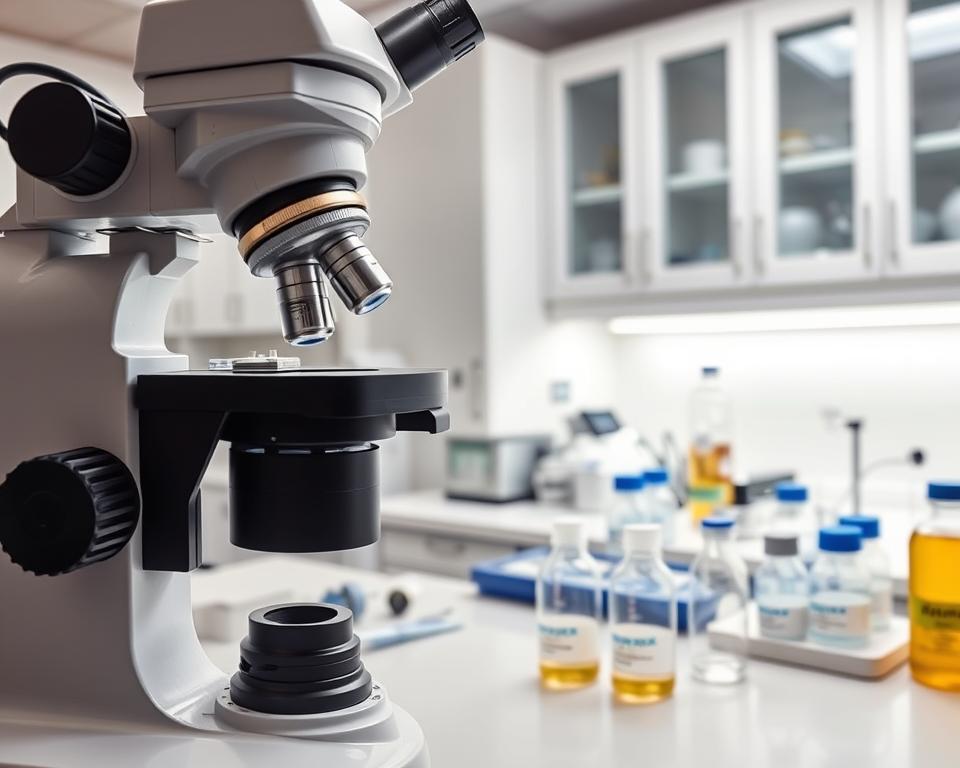
Maintaining sterility is paramount in cell culture expansion. Essential equipment includes a CO2 incubator maintaining 37°C with 5% CO2 and high humidity, a biosafety cabinet for sterile work, centrifuges for cell collection, and microscopes for monitoring cell growth and morphology. Proper training in aseptic methods, use of sterile consumables, and regular equipment maintenance are also crucial.
Cell-Specific Media Formulations
Cell-specific media formulations vary widely, with specialized media available for mammalian cell lines. These media contain precise combinations of amino acids, vitamins, inorganic salts, and glucose to support growth while maintaining cellular characteristics. For Western Blot applications, consideration should be given to media components that might affect protein expression or post-translational modifications.
| Cell Type | Recommended Media | Key Supplements |
|---|---|---|
| Mammalian Cells | DMEM or RPMI-1640 | FBS, Penicillin-Streptomycin |
| Insect Cells | SF-900 II or Grace’s Insect Medium | FBS, Gentamicin |
| Bacterial Cells | LB Broth | Ampicillin or Kanamycin |
By carefully selecting the right culture vessels, growth media, and equipment, and by maintaining sterile techniques, you can ensure successful cell culture expansion for your Western Blot analysis.
How to Expand in Cell Culture: Step-by-Step Process

Cell chamber
To achieve successful cell culture expansion, it’s essential to follow a precise step-by-step process. This involves several critical steps that ensure the cells are healthy, viable, and ready for downstream applications such as Western Blot analysis.
Initial Cell Thawing and Recovery
The cell culture expansion process begins with the proper thawing of cryopreserved cells. We recommend rapid warming in a 37°C water bath, followed by gradual dilution of cryoprotectants to minimize osmotic shock and cellular damage. After thawing, cells are centrifuged, and the supernatant is removed before adding fresh, pre-heated medium.
Determining Optimal Seeding Density
Determining the optimal seeding density is crucial for successful expansion. If the density is too low, cell growth may be poor due to insufficient cell-to-cell signaling. Conversely, too high density can lead to nutrient depletion and accumulation of waste products. We suggest allowing cells a recovery period of 24-48 hours after seeding before any experimental manipulation.
Monitoring Cell Growth and Viability
Monitoring cell growth involves regular observation under a microscope to assess morphology, confluence level, and signs of contamination. We recommend documenting growth patterns to establish consistent expansion protocols. Cell viability should be assessed using methods such as trypan blue exclusion or fluorescent viability dyes, aiming for >90% viability for optimal Western Blot sample preparation.
By following these steps and maintaining consistent conditions throughout the scaling-up process, you can ensure successful cell culture expansion. The expansion process typically involves a series of passages into progressively larger vessels as cell numbers increase.
Expansion Techniques for Adherent Cell Cultures
To achieve optimal results in adherent cell cultures, it’s essential to master specific expansion techniques. Adherent cells require a suitable surface for attachment and growth, making the preparation of the culture vessel surface a critical step.
Surface Preparation and Cell Attachment
Adherent cell cultures necessitate appropriate surface preparation to ensure proper cell attachment and growth. This often involves coating culture vessels with extracellular matrix proteins such as collagen, fibronectin, or laminin. The surface properties, including charge, hydrophobicity, and topography, significantly influence cell attachment. Tissue culture-treated plastics are designed to optimize these properties for maximum adherence.
Enzymatic Detachment Methods
Enzymatic detachment is a crucial step in harvesting adherent cells. Proteases like trypsin-EDTA, collagenase, or dispase are commonly used. The choice of enzyme depends on the cell type and its sensitivity to different proteases. It’s critical to carefully time the enzymatic detachment to prevent damage to cell surface proteins, which are essential for subsequent Western Blot analysis.
| Enzyme | Activity Conditions | Cell Type Suitability |
|---|---|---|
| Trypsin-EDTA | Inhibited by Ca2+ and Mg2+ | Many adherent cell types |
| Collagenase | Active in presence of Ca2+ | Cells with strong adhesion |
| Dispase | Active in presence of Ca2+ | Delicate cell types |
Scaling Up Adherent Cultures
Scaling up adherent cultures requires transferring cells to larger vessels while maintaining consistent surface-to-volume ratios. Options include multiple T-flasks, roller bottles, or microcarrier beads in spinner flasks. After detachment, cells must be carefully resuspended to create single-cell suspensions, minimizing shear forces that could damage cells or alter protein expression profiles.
By mastering these expansion techniques, researchers can ensure the healthy growth and efficient harvesting of adherent cells, ultimately enhancing the reliability of downstream applications like Western Blot analysis.
Optimizing Suspension Cell Culture Expansion
The process of expanding cells in suspension cultures presents unique advantages and challenges. Suspension cell cultures are characterized by their ability to reproduce in a suspended medium without attachment to a substrate, simplifying the subculturing process compared to adherent cells.
Shaker and Spinner Flask Protocols
When expanding cells in suspension cultures, the choice of shaker and spinner flask protocols is critical. Optimizing rotation speeds is necessary to ensure adequate mixing and gas exchange while minimizing shear forces that could damage cells. The right balance helps maintain cell viability and promotes healthy growth.
Managing Cell Density in Suspension
Managing cell density is crucial in suspension cultures, with optimal densities typically ranging from 0.5-2.0 × 10^6 cells/mL, depending on the cell line. Regular monitoring and dilution are required to maintain cells in the exponential growth phase, ensuring the culture remains healthy and productive.
Preventing Cell Clumping and Aggregation
Cell clumping and aggregation in suspension cultures can be prevented through several strategies, including the addition of anti-clumping agents, optimization of calcium and magnesium concentrations, and appropriate agitation rates. These measures help maintain a uniform cell suspension, which is vital for consistent protein production.
To further optimize suspension cell culture expansion, it’s essential to select the appropriate culture vessel based on scale requirements. Options range from simple shake flasks for small-scale expansion to spinner flasks and bioreactors for larger volumes. Specialized media formulations, often including surfactants like Pluronic F-68, protect cells from shear forces and prevent aggregation during expansion.
- Suspension cell cultures offer advantages including simplified passaging and higher cell densities per volume.
- Optimizing shaker and spinner flask protocols is crucial for maintaining cell health.
- Managing cell density is critical for maintaining cells in the exponential growth phase.
Advanced Cell Culture Expansion Methods
As biomanufacturing continues to evolve, advanced cell culture expansion methods are becoming increasingly important for achieving high yields and consistency. We will explore three key advanced methods that are transforming the field of cell culture expansion: perfusion systems, bioreactor-based techniques, and automated cell culture systems.
Perfusion Systems for Higher Cell Densities
Perfusion systems represent a significant advancement in cell culture technology, enabling continuous nutrient supply and waste removal. This method maintains cells in the exponential growth phase for extended periods, resulting in higher cell densities. By perfusing cells in a bioreactor, we can mimic the natural environment of an organ, supplying fresh nutrients and removing metabolic waste products.
Bioreactor-Based Expansion Techniques
Bioreactor-based expansion techniques offer precise control over critical parameters such as pH, dissolved oxygen, temperature, and agitation. This creates highly reproducible conditions ideal for consistent protein expression. Techniques like microcarrier technology allow adherent cell lines to be cultured in suspension-like conditions within bioreactors, combining the advantages of both culture methods.
Automated Cell Culture Systems
Automated cell culture systems reduce human error and contamination risk while increasing throughput. These systems are particularly valuable for applications requiring large-scale cell expansion for multiple Western Blot experiments. By leveraging automation, we can achieve more efficient and reliable cell culture expansion.
Advanced expansion methods typically achieve significantly higher cell densities, often 10-100 fold greater than traditional methods. When selecting an advanced expansion method, consider factors such as cell line characteristics, required scale, available equipment, technical expertise, and the specific proteins being targeted in subsequent Western Blot analysis.
- Perfusion systems allow for continuous nutrient supply and waste removal, maintaining cells in the exponential growth phase.
- Bioreactor-based techniques provide precise control over critical parameters, creating highly reproducible conditions.
- Automated cell culture systems reduce human error and contamination risk while increasing throughput.
Preparing Expanded Cells for Western Blot Analysis
Preparing expanded cells for Western Blot analysis requires careful consideration of several key factors. When you are working with cell cultures, the timing of cell harvesting, the method of cell lysis, and the quantification of protein samples are all crucial for obtaining reliable data.
Optimal Harvesting Timing for Protein Expression
The timing of cell harvesting is critical for Western Blot analysis. Optimal protein expression typically occurs during the mid to late log phase when cells are metabolically active but not yet experiencing nutrient limitation. We recommend monitoring cell growth and viability to determine the ideal harvest time.
For most cell types, this corresponds to a cell density where the culture is still in the exponential growth phase. Harvesting at this stage ensures that the cells are in an optimal state for protein expression analysis.
Cell Lysis and Protein Extraction Techniques
Cell lysis methods must be selected based on the cellular localization of target proteins. For instance, detergent-based lysis is suitable for cytosolic proteins, while sonication may be used for membrane-bound proteins. Specialized extraction buffers are required for nuclear proteins.
We suggest choosing a lysis method that preserves protein integrity and is compatible with your downstream Western Blot analysis.
| Lysis Method | Protein Localization | Application |
|---|---|---|
| Detergent-based | Cytosolic | General protein extraction |
| Sonication | Membrane-bound | Disrupting cell membranes |
| Specialized buffers | Nuclear | Extracting nuclear proteins |
Quantification and Standardization of Protein Samples
Quantification of protein concentration using methods such as Bradford, BCA, or Lowry assays is essential for standardizing sample loading in Western Blot. This ensures comparable results across different samples and experiments.
Sample preparation should include denaturation in appropriate buffers containing reducing agents and detergents, followed by heating to disrupt protein structure and facilitate uniform binding of SDS for consistent migration during electrophoresis.
The number of cells required for adequate protein yield varies by cell type and target protein abundance. Typically, 1-5 × 10^6 cells per sample are sufficient for abundant proteins, while up to 1-2 × 10^7 cells may be needed for low-abundance proteins.
“Standardization of harvest conditions across experimental groups is essential for meaningful comparison in Western Blot analysis.”
By following these guidelines, you can ensure that your Western Blot analysis is based on high-quality protein samples, leading to more reliable and interpretable results.
Troubleshooting Common Cell Culture Expansion Issues
The process of cell culture expansion can be fraught with difficulties, from contamination to poor cell growth. To achieve successful cell culture expansion, it’s crucial to identify and address these issues promptly.
Contamination Challenges
Contamination is one of the most significant challenges in cell culture expansion. Microbial contamination, including bacterial and fungal contamination, can devastate cell cultures. We must implement strict aseptic techniques and regularly monitor cultures to prevent such contamination. Mycoplasma contamination, in particular, requires specialized detection methods due to its subtle impact on cell cultures.
To manage contamination risks, we recommend:
- Regular equipment maintenance
- Strict adherence to aseptic techniques
- Regular mycoplasma testing
- Authentication of cell lines
Poor Cell Growth and Viability
Poor cell growth can result from various factors, including suboptimal media formulation, incorrect temperature or CO2 levels, and expired or improperly stored reagents. Ensuring optimal physical environment conditions, such as the right temperature, pH, and oxygen supply, is vital for maintaining healthy cells.
To address poor cell growth, consider the following table:
| Issue | Possible Cause | Solution |
|---|---|---|
| Slow growth | Suboptimal media | Review and adjust media formulation |
| Low viability | Incorrect temperature | Verify and adjust incubator temperature |
| Cell death | Expired reagents | Check reagent expiration dates and replace as needed |
Managing Cell Line Stability
Cell line stability issues can manifest as changes in morphology, growth rates, or protein expression profiles. Genetic drift, selection pressure, or cross-contamination with other cell lines can cause these issues. Documentation of cell culture conditions and growth patterns is essential for troubleshooting and maintaining consistency in Western Blot results.
By understanding and addressing these common challenges, you can optimize your cell culture expansion processes and improve the reliability of your downstream applications.
Conclusion: Best Practices for Successful Cell Culture Expansion
In conclusion, successful cell culture expansion for Western Blot analysis requires meticulous attention to detail and a deep understanding of cell-specific requirements. To achieve consistent and reliable results, it is crucial to optimize cell culture media and maintain a suitable culture environment. Establishing a cell bank of early-passage cells is essential for maintaining consistent cell lines over extended research periods.
Regular quality control measures, including cell line authentication and mycoplasma testing, should be implemented to verify the integrity and performance of cell cultures. Documentation of all procedures, including media formulations, passage numbers, and growth rates, is critical for troubleshooting issues and ensuring reproducibility across experiments. By following these best practices and staying updated with advances in cell culture products and techniques, researchers can significantly enhance the reliability of their Western Blot results.
Effective cell culture expansion is a critical step in obtaining high-quality Western Blot data. By understanding the specific needs of your cell type and optimizing your culture vessel and suspension cultures accordingly, you can achieve more consistent and reliable results. This attention to detail will ultimately contribute to the success of your research application.
References and further readings:
1.Sinkala, E., Sollier-Christen, E., Renier, C., et al. (2017). Profiling protein expression in circulating tumour cells using microfluidic western blotting. Nature Communications, 8, 14622.
https://www.nature.com/articles/ncomms146222.Mishra, M., Tiwari, S., & Gomes, A. V. (2017). Protein purification and analysis: next generation Western blotting techniques. Expert Review of Proteomics, 14(12), 1037–1053.
https://www.tandfonline.com/doi/abs/10.1080/14789450.2017.13881673.Kopec, A. M., Rivera, P. D., Lacagnina, M. J., et al. (2017). Optimized solubilization of TRIzol-precipitated protein permits Western blotting analysis. Journal of Neuroscience Methods, 280, 64–72.
https://www.sciencedirect.com/science/article/abs/pii/S0165027017300389
FAQ
What are the key factors to consider when selecting a culture vessel for cell culture expansion?
When selecting a culture vessel, you should consider the type of cells being cultured, the required surface area or volume, and the need for specific features such as ventilation or optical clarity. We recommend choosing vessels that are designed for cell culture and are made from materials that are compatible with your cells and media.
How do I determine the optimal seeding density for my cell culture?
Optimal seeding density depends on the cell type, growth rate, and the intended application. You can determine the optimal seeding density by consulting the literature or by performing a series of experiments to identify the density that yields the best growth and viability. Generally, a lower seeding density is used for slow-growing cells, while a higher density is used for rapidly growing cells.
What are the most common challenges associated with cell culture expansion, and how can I overcome them?
Common challenges include contamination, poor cell growth, and cell line instability. To overcome these challenges, we recommend implementing strict sterile techniques, monitoring cell growth and viability regularly, and using cell culture media and supplements that are optimized for your cell type.
Can I use the same cell culture media for both adherent and suspension cells?
No, the media requirements for adherent and suspension cells can differ. Adherent cells often require a more complex media formulation that supports attachment and growth on a surface, while suspension cells may require a media that is optimized for growth in suspension. You should consult the literature or manufacturer’s recommendations to determine the best media for your specific cell type.
What are the benefits of using perfusion systems for cell culture expansion?
Perfusion systems can provide a continuous supply of nutrients and removal of waste products, which can lead to higher cell densities and improved cell health. We recommend considering perfusion systems for large-scale cell culture expansion or for applications where high cell densities are required.
How can I prevent cell clumping and aggregation in suspension cultures?
To prevent cell clumping and aggregation, you can use techniques such as gentle agitation, optimization of media formulation, and the use of surfactants or other additives. We recommend monitoring your cultures regularly to identify any issues and adjusting your protocols as needed.
Leo Bios
Hello, I’m Leo Bios. As an assistant lecturer, I teach cellular and
molecular biology to undergraduates at a regional US Midwest university. I started as a research tech in
a biotech startup over a decade ago, working on molecular diagnostic tools. This practical experience
fuels my teaching and writing, keeping me engaged in biology’s evolution.
Leave a Comment
Your email address will not be published. Required fields are marked *