


RNAqueous Lysis Buffer is a specialized solution designed for efficient extraction of RNA from various biological samples. Its unique formulation breaks open cell membranes, inactivates RNases, and preserves RNA quality.
We use this buffer to regulate the pH and osmolarity of the lysate, which is crucial for downstream applications like Western blot analysis. The lysis buffer contains buffering salts and ionic salts that help in maintaining the integrity of RNA and proteins during the extraction process.
Understanding the composition of RNAqueous Lysis Buffer is essential for researchers working with RNA extraction and protein analysis. This buffer is designed to work effectively across different tissue types and experimental conditions.
Key Takeaways
- Efficient extraction of RNA from biological samples
- Unique formulation for breaking open cell membranes and preserving RNA quality
- Crucial for downstream applications like Western blot analysis
- Contains buffering salts and ionic salts for regulating pH and osmolarity
- Essential for researchers working with RNA extraction and protein analysis
Understanding Lysis Buffers in Molecular Biology
Lysis buffers play a crucial role in molecular biology research, serving as a foundational tool for various laboratory applications. We will explore their definition, types, and importance in RNA and protein extraction.
Definition and Purpose of Lysis Buffers
Lysis buffers are solutions designed to break open cells, releasing their contents for further analysis. The primary purpose of these buffers is to create an environment that stabilizes the released biomolecules, such as RNA and proteins, while preventing their degradation. Effective lysis buffers are crucial for maintaining the integrity of these molecules.
Types of Lysis Buffers in Laboratory Applications
Various types of lysis buffers are used in laboratory settings, each formulated for specific applications. These include buffers for RNA extraction, protein extraction, and those designed for simultaneous extraction of multiple biomolecules. The choice of lysis buffer depends on the downstream application, such as RT-PCR, Western blot, or RNA sequencing.
| Type of Lysis Buffer | Application | Key Features |
|---|---|---|
| RNA Extraction Buffer | RNA isolation | RNase inhibition, RNA stabilization |
| Protein Extraction Buffer | Protein analysis | Protease inhibition, protein solubilization |
| Multi-purpose Lysis Buffer | Simultaneous RNA and protein extraction | Balanced composition for both RNA and protein preservation |
Importance in RNA and Protein Extraction
The composition of lysis buffers is critical for successful RNA and protein extraction. Effective RNA extraction requires buffers that rapidly inactivate RNases, while protein extraction depends on buffers that solubilize proteins while preserving their native structure. RNAaqueous Lysis Buffer is specifically designed to optimize RNA extraction while allowing for subsequent protein analysis from the same sample, making it valuable for limited tissue samples.
In studies like DNA fingerprinting, lysis buffers are used for DNA isolation. A systems approach is being applied in many areas of the biological sciences, particularly in cancer research. The coordinated, simultaneous extraction of DNA, RNA, and proteins from a single sample is crucial for accurate correlations between genomic aberrations and their consequences on the transcriptome and proteome.
What Is In RNAaqueous Lysis Buffer: Core Components
To understand the composition of RNAaqueous Lysis Buffer, we need to examine its core components. The buffer is a complex mixture designed to facilitate efficient RNA extraction from various tissue samples while preserving RNA integrity.
Buffering Agents and pH Regulators
Buffering agents play a crucial role in maintaining the pH level during the lysis process. The RNAaqueous Lysis Buffer contains specialized buffering agents that help regulate the pH, ensuring optimal conditions for RNA stability. This is critical because RNA is susceptible to degradation by RNases, which are enzymes that break down RNA. By maintaining a stable pH, the buffer helps to inhibit the activity of these enzymes.
Ionic Salts and Their Functions
Ionic salts are another key component of the RNAaqueous Lysis Buffer. These salts help to solubilize cellular components and facilitate the release of RNA. Guanidinium thiocyanate, a powerful chaotropic agent, is often included to denature proteins, including RNases, thereby protecting the RNA from degradation. The ionic salts also contribute to the overall ionic strength of the buffer, which is essential for effective cell lysis and RNA extraction.
| Component | Function |
|---|---|
| Buffering Agents | Maintain pH level, ensuring RNA stability |
| Ionic Salts | Solubilize cellular components, facilitate RNA release |
| Guanidinium Thiocyanate | Denature proteins, including RNases, protecting RNA |
Specialized Components for RNA Preservation
The RNAaqueous Lysis Buffer contains several specialized components designed to preserve RNA integrity. RNase inhibitors are critical in immediately inactivating endogenous RNases released during cell lysis. Reducing agents like β-mercaptoethanol or DTT may be incorporated to break disulfide bonds in RNases, further inhibiting their activity. Additionally, carrier molecules may be included to enhance RNA recovery, particularly when working with samples containing low RNA concentrations.
By combining these core components, the RNAaqueous Lysis Buffer provides a robust solution for RNA extraction from various tissue samples. Its specialized formulation ensures that RNA integrity is maintained throughout the extraction process, making it an essential tool for researchers working with RNA.
The Role of Detergents in RNAaqueous Lysis Buffer
RNAaqueous Lysis Buffer relies on detergents to disrupt cell membranes efficiently. Detergents are crucial components that facilitate the lysis process, enabling the release of cellular contents, including RNA.
Types of Detergents Used
The buffer utilizes a combination of ionic and non-ionic detergents. Nonionic detergents like Triton X-100 and zwitterionic detergents like CHAPS are nondenaturing, preserving protein functions. In contrast, ionic detergents such as sodium dodecyl sulfate (SDS) are denaturing and can disrupt protein functions.
How Detergents Facilitate Cell Membrane Disruption
Detergents work by solubilizing the cell membrane, allowing the release of cellular contents. Non-ionic detergents effectively disrupt cell membranes without denaturing proteins, making them ideal for RNA extraction while maintaining protein integrity.
Comparing Ionic vs. Non-ionic Detergents
The choice between ionic and non-ionic detergents depends on the application. Non-ionic detergents are preferred for RNA extraction due to their gentle nature, while ionic detergents are more potent but can interfere with downstream applications.
| Detergent Type | Characteristics | Application |
|---|---|---|
| Non-ionic (e.g., Triton X-100) | Nondenaturing, preserves protein function | RNA extraction, protein analysis |
| Ionic (e.g., SDS) | Denaturing, disrupts protein function | Protein solubilization, certain downstream applications |
By carefully balancing the concentration of ionic and non-ionic detergents, RNAaqueous Lysis Buffer optimizes RNA extraction while ensuring compatibility with downstream applications.
Enzyme Inhibitors in RNAaqueous Lysis Buffer
Enzyme inhibitors play a crucial role in RNAaqueous Lysis Buffer, ensuring the integrity of RNA and proteins during the lysis process. These inhibitors are essential for preventing the degradation of nucleic acids and proteins by enzymes naturally present in cells.
RNase Inhibitors: Protecting RNA Integrity
RNase inhibitors are a critical component of RNAaqueous Lysis Buffer, safeguarding RNA from degradation by ribonucleases. These inhibitors work by binding to RNases, thereby preventing them from accessing RNA. The use of RNase inhibitors is vital for maintaining RNA integrity, especially during the lysis process when cells are disrupted, and RNases are released.
Protease and Phosphatase Inhibitors
In addition to RNase inhibitors, RNAaqueous Lysis Buffer often contains protease and phosphatase inhibitors. Protease inhibitors prevent the degradation of proteins by proteases, while phosphatase inhibitors block the removal of phosphate groups from proteins, which can alter their activity or stability. These inhibitors are crucial for preserving the integrity and functionality of proteins during the lysis process.
The Critical Role of EDTA and Other Chelating Agents
EDTA (ethylenediaminetetraacetic acid) is a key chelating agent in RNAaqueous Lysis Buffer, serving to sequester divalent metal ions such as Mg2+ and Ca2+ that are essential cofactors for many nucleases and proteases. By chelating these ions, EDTA effectively inhibits the activity of enzymes that require them for their catalytic function, thus protecting both RNA and proteins.
| Chelating Agent | Function | Typical Concentration |
|---|---|---|
| EDTA | Chelates divalent metal ions (e.g., Mg2+, Ca2+) | 1-5 mM |
| EGTA | Specifically chelates Ca2+ | Variable |
The combination of enzyme inhibitors and chelating agents in RNAaqueous Lysis Buffer creates a comprehensive protection system for both RNA and proteins. This synergistic approach ensures that the lysis process does not compromise the integrity of these molecules, facilitating successful downstream applications.
How RNAaqueous Lysis Buffer Differs from Other Lysis Solutions
RNAaqueous Lysis Buffer stands out among various lysis solutions due to its specialized formulation for RNA extraction. This buffer is designed to effectively lyse cells, denature proteins, and stabilize RNA molecules, making it an ideal choice for researchers working with RNA.
Comparison with RIPA Buffer
RIPA buffer is a general-purpose lysis buffer commonly used for protein extraction. In contrast, RNAaqueous Lysis Buffer is specifically designed for RNA extraction. While RIPA buffer contains ionic detergents like SDS, RNAaqueous Lysis Buffer uses chaotropic agents like guanidinium thiocyanate to disrupt cells and denature proteins, including RNases.
| Buffer | Primary Use | Key Components |
|---|---|---|
| RNAaqueous Lysis Buffer | RNA Extraction | Guanidinium thiocyanate, RNA-binding enhancers |
| RIPA Buffer | Protein Extraction | SDS, NP-40, sodium deoxycholate |
Differences from NP-40 and SDS Lysis Buffers
NP-40 and SDS lysis buffers are typically used for protein extraction and are not optimized for RNA extraction. Unlike these buffers, RNAaqueous Lysis Buffer contains specialized chaotropic agents that help to stabilize RNA molecules and prevent degradation.
Specialized Features for RNA Extraction
The RNAaqueous Lysis Buffer is formulated with specific RNA-binding enhancers that improve RNA recovery efficiency, particularly important for samples with low RNA content or degraded tissue samples. Additionally, this buffer is optimized for compatibility with silica-based RNA purification methods, facilitating efficient binding of RNA to purification columns or magnetic beads.

Pink RNA Lysis Buffer in Tubes for Nucleic Acid Isolation
Optimizing RNAaqueous Lysis Buffer for Different Cell Types
Different cell types require tailored approaches when using the RNAaqueous Lysis Buffer for RNA extraction. Optimizing the buffer for specific cell characteristics can significantly improve the efficiency of the lysis process and the quality of the extracted RNA.
Adjustments for Mammalian Cells
For mammalian cells, the standard RNAaqueous Lysis Buffer protocol often suffices. However, you may need to adjust the buffer composition based on the cell line’s specific characteristics, such as the presence of robust cell membranes or high levels of RNases.
Key considerations: Ensure the buffer is well-mixed with the cells, and consider a brief vortexing step to facilitate lysis.
Modifications for Tissue Samples
Tissue samples, especially those that are fibrous or dense, may require modifications to the standard lysis protocol. Increasing the concentration of chaotropic agents and detergents can enhance penetration and disruption of the tissue matrix.
- For fibrous tissues, increase chaotropic agents and detergents by 20-30%.
- Extended incubation times (up to 30 minutes) with periodic vortexing may be necessary.
Considerations for Difficult-to-Lyse Samples
Difficult-to-lyse samples, such as plant materials or certain microbial samples, require specialized modifications. Supplementing the lysis buffer with tissue-specific enzymes like collagenase or lysozyme can significantly improve lysis efficiency.
| Sample Type | Recommended Modification |
|---|---|
| Fibrous tissues | Increase chaotropic agents and detergents by 20-30% |
| Bacterial samples | Supplement with lysozyme |
| Connective tissues | Supplement with collagenase |
Step-by-Step Guide to Using RNAaqueous Lysis Buffer for RNA Isolation
To achieve high-quality RNA extraction, we will guide you through the step-by-step process using RNAaqueous Lysis Buffer. This guide is designed to help you understand the preparation, execution, and post-processing steps involved in RNA isolation.
Preparation and Safety Considerations
Before starting the RNA isolation process, it’s crucial to prepare your workspace and materials. Ensure that your work area is clean and RNase-free to prevent contamination. Wear gloves and use RNase-free tubes and pipette tips to maintain a sterile environment. When handling RNAaqueous Lysis Buffer, be aware of its composition and potential hazards. Always refer to the safety data sheet for specific handling instructions.
Cell Lysis Procedure
To begin the cell lysis procedure, add the RNAaqueous Lysis Buffer to your cell sample and mix thoroughly. The buffer is designed to disrupt cell membranes effectively, releasing cellular contents. After complete cell lysis, centrifuge the lysate at 12,000-15,000 × g for 5-10 minutes at 4°C to remove cellular debris and insoluble material. Carefully transfer the cleared supernatant to a fresh RNase-free tube without disturbing the pellet, as the supernatant contains the solubilized RNA.
Post-Lysis Processing for RNA Extraction
After obtaining the cleared lysate, the next steps are critical for RNA extraction. Add an equal volume of ethanol (64-70% final concentration) to the cleared lysate and mix thoroughly by gentle pipetting. This step prepares the sample for binding to a silica-based purification column. Load the lysate-ethanol mixture onto the purification column, following the manufacturer’s protocol for column washing and RNA elution. Typically, this involves multiple washes with buffers of decreasing ethanol concentration to remove contaminants while retaining RNA bound to the column. Finally, elute the purified RNA using RNase-free water or a low-salt elution buffer, adjusting the elution volume based on the desired final RNA concentration.
| Step | Description | Reagent/Condition |
|---|---|---|
| 1 | Cell Lysis | RNAaqueous Lysis Buffer |
| 2 | Centrifugation | 12,000-15,000 × g, 5-10 min, 4°C |
| 3 | Ethanol Addition | 64-70% final concentration |
| 4 | Column Loading | Lysate-ethanol mixture |
| 5 | RNA Elution | RNase-free water or low-salt buffer |
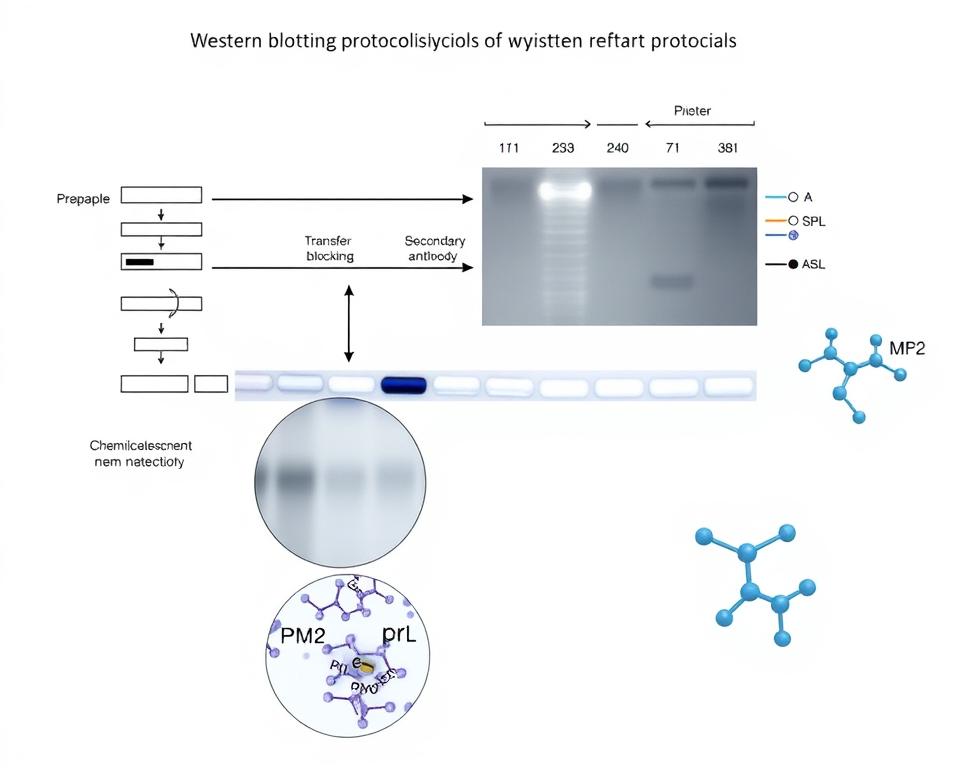
Applications of RNAaqueous Lysis Buffer in Western Blot Analysis
The application of RNAaqueous Lysis Buffer in Western blot analysis is centered around its ability to effectively lyse cells and preserve protein integrity. This buffer is designed to release proteins from cells while maintaining their stability, which is crucial for accurate Western blot results.
Preparing Samples for Western Blotting
When preparing samples for Western blotting using RNAaqueous Lysis Buffer, it is essential to ensure accurate protein quantification. We recommend using assays like BCA or Bradford to determine protein concentrations after extraction. The protein samples may require additional purification steps to remove residual chaotropic agents or detergents that could interfere with SDS-PAGE separation or antibody binding in Western blots.
- Accurate protein quantification is essential for consistent Western blot results.
- Sample buffer composition should be optimized based on the proteins of interest.
- Loading controls should be carefully selected to ensure valid comparisons.
Preserving Protein Integrity During Lysis
To preserve protein integrity during lysis, the RNAaqueous Lysis Buffer is formulated with components that inhibit protease activity. We use this buffer to minimize protein degradation and ensure that the extracted proteins remain intact for Western blot analysis.
Downstream Processing Considerations
After lysis, the sample is processed for Western blotting. It is crucial to maintain consistent sample processing conditions to ensure comparable extraction efficiency across multiple samples. We recommend optimizing the sample buffer composition for SDS-PAGE and carefully selecting loading controls to validate the results.
By following these guidelines and utilizing RNAaqueous Lysis Buffer, you can achieve reliable and reproducible Western blot results.
Troubleshooting Common Issues with RNAaqueous Lysis Buffer
When using RNAaqueous Lysis Buffer, several common issues may arise that require troubleshooting to ensure successful RNA extraction and downstream applications. The buffer’s composition is critical for effective cell lysis and RNA preservation, but certain challenges can impact its performance.
Addressing Incomplete Cell Lysis
Incomplete cell lysis can lead to reduced RNA yields. To address this, you can adjust the detergent concentration or incubation time. Ensuring that the buffer is properly mixed with the sample is also crucial. For difficult-to-lyse samples, consider adding additional lysis reagents or modifying the lysis protocol.
Resolving RNA Degradation Problems
RNA degradation is a significant concern when working with RNAaqueous Lysis Buffer. To mitigate this, ensure that RNase inhibitors are included in the buffer to protect the RNA. Maintaining cold temperatures during processing and using RNase-free equipment can also help preserve RNA integrity.
Optimizing Buffer Conditions for Specific Applications
Different applications may require adjustments to the standard RNAaqueous Lysis Buffer formulation. For instance, when isolating microRNA or small RNA, you may need to modify the ethanol concentration in subsequent steps. For samples containing high levels of contaminants, adding polyvinylpyrrolidone (PVP) or β-mercaptoethanol can help neutralize interfering substances.
By understanding and addressing these common issues, you can optimize the use of RNAaqueous Lysis Buffer for your specific research needs, ensuring high-quality RNA extraction and reliable downstream results.
Storage and Stability of RNAaqueous Lysis Buffer Components
Proper storage and handling of RNAaqueous Lysis Buffer are essential for maintaining its effectiveness. The buffer’s stability is critical for ensuring the integrity of the RNA during the extraction process.
Proper Storage Conditions
To maintain the stability of RNAaqueous Lysis Buffer, it is crucial to store it under the recommended conditions. Typically, this involves storing the buffer at a specific temperature, usually between 2-8°C, and protecting it from light. You should always check the label or manufacturer’s instructions for specific storage requirements.
Shelf Life Considerations
The shelf life of RNAaqueous Lysis Buffer can vary depending on the manufacturer and storage conditions. Generally, it is recommended to use the buffer within a certain period after opening, usually indicated by the expiration date or the date of manufacture. Before use, inspect the buffer for any visible signs of deterioration, such as precipitation or changes in color.
Signs of Buffer Deterioration
Visual inspection can reveal several signs of RNAaqueous Lysis Buffer deterioration. These include:
- Precipitation or cloudiness in the solution
- Changes in color or viscosity
- Separation into distinct phases
- Unusual odors, such as strong chemical smells
Before using the buffer, check for precipitation by gently warming it if necessary to dissolve any precipitates. If you observe any of these signs, it is recommended not to use the buffer, as it may compromise the RNA extraction process.
Conclusion
In the realm of molecular biology, the development of specialized lysis buffers like RNAaqueous has revolutionized the field of RNA extraction and analysis. RNAaqueous Lysis Buffer represents a specialized formulation designed to optimize RNA extraction while preserving sample integrity for potential downstream protein analysis.
The buffer’s core components work synergistically to disrupt cell membranes, inactivate nucleases, and stabilize RNA molecules during the extraction process from various tissue and cell types. Understanding the specific roles of buffering agents, ionic salts, detergents, and enzyme inhibitors in RNAaqueous Lysis Buffer allows researchers to optimize protocols for their specific sample types and experimental goals.
The versatility of RNAaqueous Lysis Buffer makes it suitable for a wide range of applications beyond basic RNA extraction, including potential protein recovery for Western blot analysis when appropriate modifications are made to the protocol. Proper handling, storage, and application of RNAaqueous Lysis Buffer are essential for achieving consistent, high-quality results in molecular biology research involving RNA analysis.
As research techniques continue to evolve, the formulation of lysis buffers like RNAaqueous will likely see further refinements to enhance performance across an even wider range of sample types and experimental conditions. By understanding what is in RNAaqueous Lysis Buffer and how each component functions, researchers can make informed decisions about sample preparation methods that will yield the highest quality results for their specific research questions.
The ability to extract both RNA and proteins from a single sample using modified RNAaqueous Lysis Buffer protocols represents a valuable approach for maximizing information obtained from limited or precious biological samples. This capability underscores the importance of lysis buffer technology in advancing molecular biology research.
References and further readings:
1.Deng, M. Y., Wang, H., & Ward, G. B. (2005). Comparison of six RNA extraction methods for the detection of classical swine fever virus by RT-PCR. Journal of Veterinary Diagnostic Investigation, 17(6), 574–578.
https://journals.sagepub.com/doi/abs/10.1177/1040638705017006092.Zhang, X., McFarland, T. J., & Vartanian, K. (2022). RNA isolation from micro-quantity of articular cartilage. International Journal of Molecular Sciences.
https://pmc.ncbi.nlm.nih.gov/articles/PMC8692110/3.Chatterjee, S. S., & Chakraborty, T. (2009). Isolation of Bacterial RNA. In Handbook of Nucleic Acid Purification (pp. 107–118).
https://books.google.com/books?id=SNo_CQAAQBAJ&pg=PA107#v=onepage&q&f=false
FAQ
What are the core components of RNAaqueous Lysis Buffer?
The core components include buffering agents, ionic salts, detergents, and enzyme inhibitors that work together to lyse cells, preserve RNA integrity, and prevent degradation.
How do detergents in RNAaqueous Lysis Buffer facilitate cell membrane disruption?
Detergents solubilize the cell membrane, releasing cellular contents, including RNA, by disrupting lipid-protein interactions, allowing for efficient cell lysis.
What is the role of RNase inhibitors in RNAaqueous Lysis Buffer?
RNase inhibitors protect RNA from degradation by inhibiting the activity of RNases, enzymes that break down RNA, ensuring that the isolated RNA remains intact.
How does RNAaqueous Lysis Buffer differ from RIPA Buffer?
RNAaqueous Lysis Buffer is specifically designed for RNA extraction and contains components that preserve RNA integrity, whereas RIPA Buffer is used for protein extraction and may contain different detergents and inhibitors.
What considerations should be taken when using RNAaqueous Lysis Buffer for difficult-to-lyse samples?
For difficult-to-lyse samples, adjustments to the lysis conditions, such as increased detergent concentration or additional mechanical disruption, may be necessary to achieve efficient cell lysis.
How should RNAaqueous Lysis Buffer be stored to maintain its stability?
RNAaqueous Lysis Buffer should be stored according to the manufacturer’s instructions, typically at a specific temperature, to maintain its stability and effectiveness.
What are the signs of buffer deterioration?
Signs of buffer deterioration may include changes in appearance, such as precipitation or color change, or reduced performance in cell lysis and RNA extraction.
Can RNAaqueous Lysis Buffer be used for Western Blot analysis?
While RNAaqueous Lysis Buffer is designed for RNA extraction, it can be used to prepare samples for Western Blot analysis, as it contains components that help preserve protein integrity.
Leo Bios
Hello, I’m Leo Bios. As an assistant lecturer, I teach cellular and
molecular biology to undergraduates at a regional US Midwest university. I started as a research tech in
a biotech startup over a decade ago, working on molecular diagnostic tools. This practical experience
fuels my teaching and writing, keeping me engaged in biology’s evolution.

Leave a Comment
Your email address will not be published. Required fields are marked *