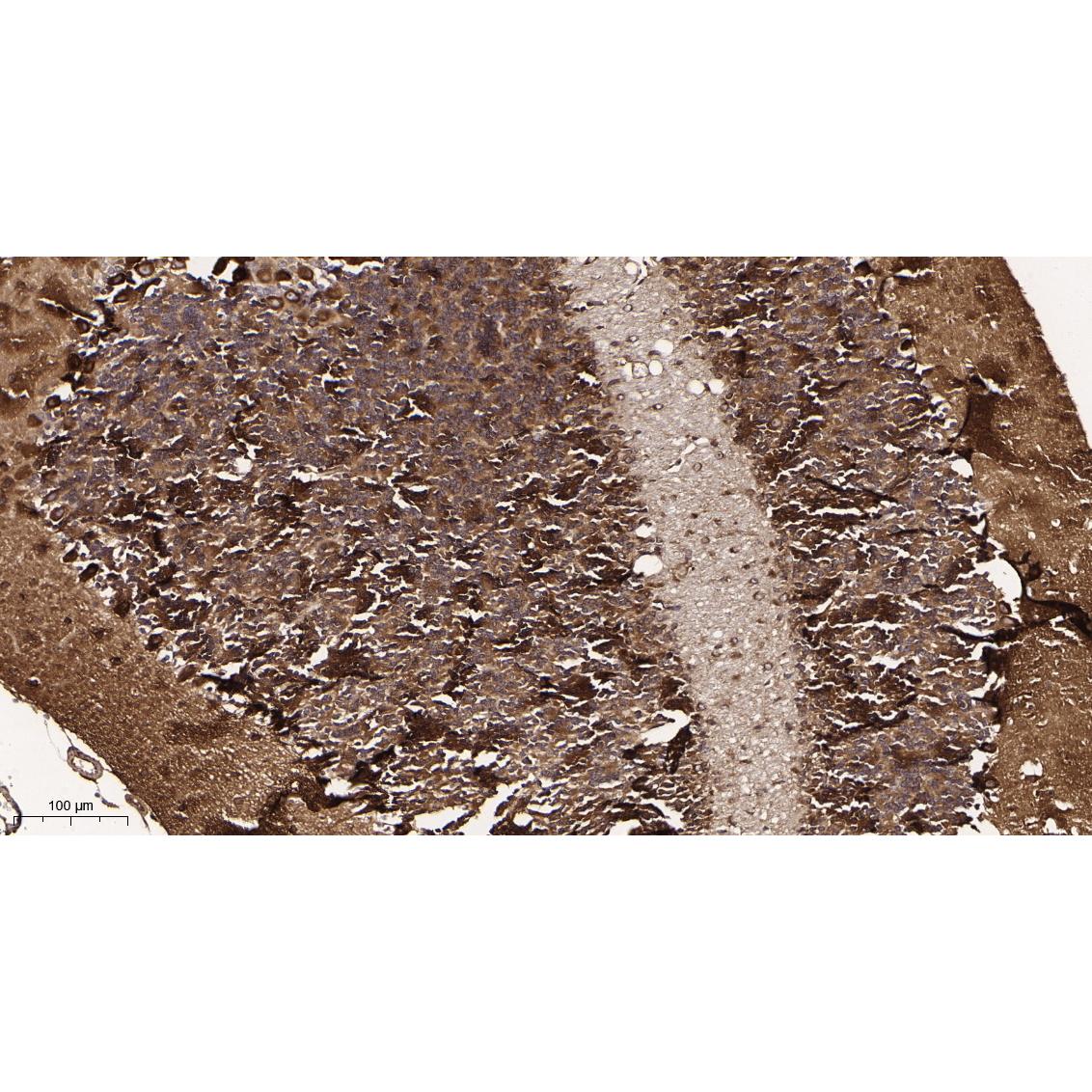
SKU: WR4030 Categories: ,

U-Blot® DRP1 Rabbit mAb

Price range: $268.00 through $328.00

SKU: WR4030-50
Enter the quantity you would like, or drag the panel to find the quantity and price that best for you
Bulk QuoteAuthorize OEM & ODM

Product details

Background:This gene encodes a member of the dynamin superfamily of GTPases. The encoded protein mediates mitochondrial and peroxisomal division, and is involved in developmentally regulated apoptosis and programmed necrosis. Dysfunction of this gene is implicated in several neurological disorders, including Alzheimer's disease. Mutations in this gene are associated with the autosomal dominant disorder, encephalopathy, lethal, due to defective mitochondrial and peroxisomal fission (EMPF). Alternative splicing results in multiple transcript variants encoding different isoforms. [provided by RefSeq, Jun 2013],

Specifications

Size50μL/100μL
TargetDRP1
ReactivityHuman, Mouse, Rat, Bovine
ApplicationsWB, IHC, IF, IP, ELISA
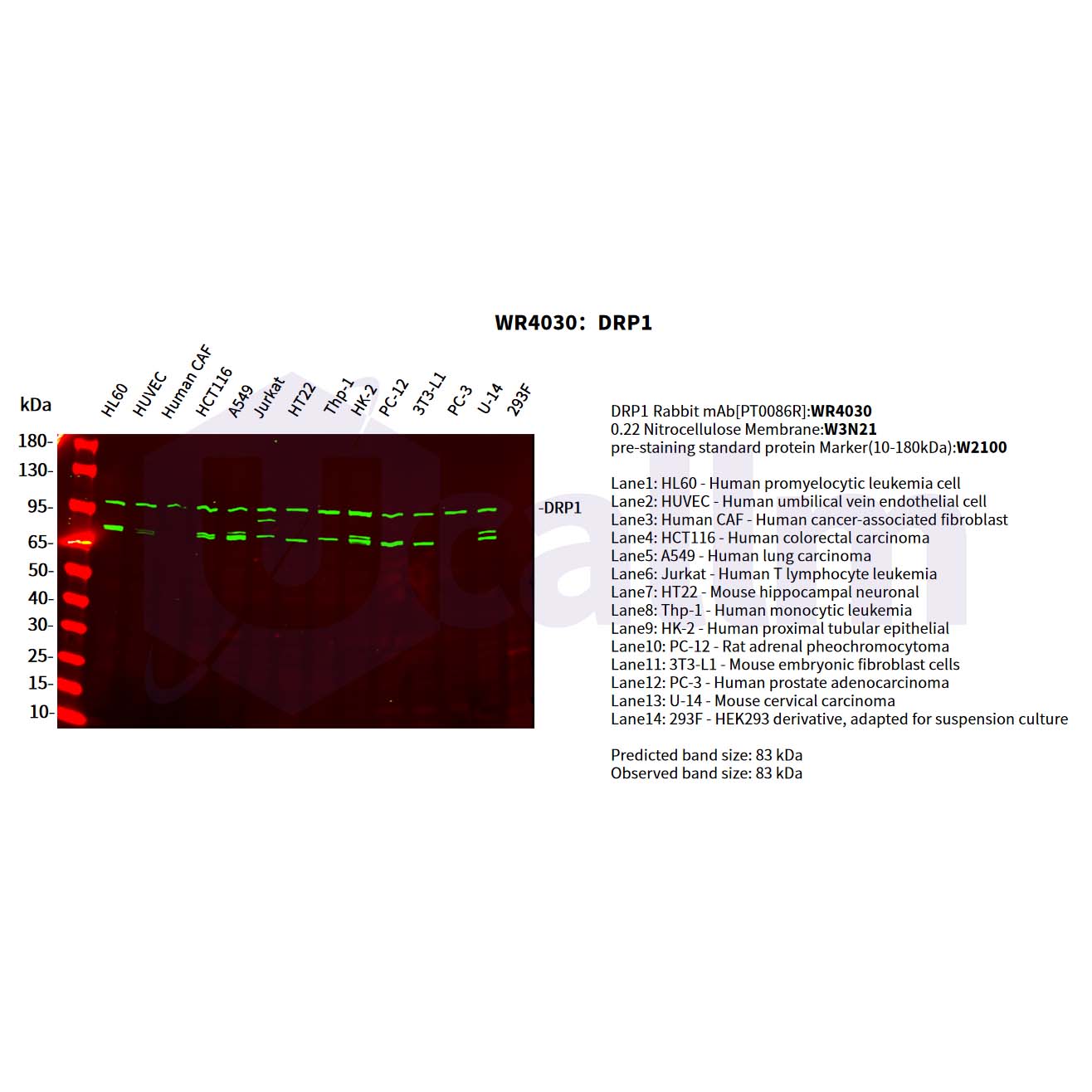
MW(Calculated)83kD
MW(Observed)83kD
Host SpeciesRabbit
IsotypeIgG,Kappa
Conjugate/ModificationUnmodified
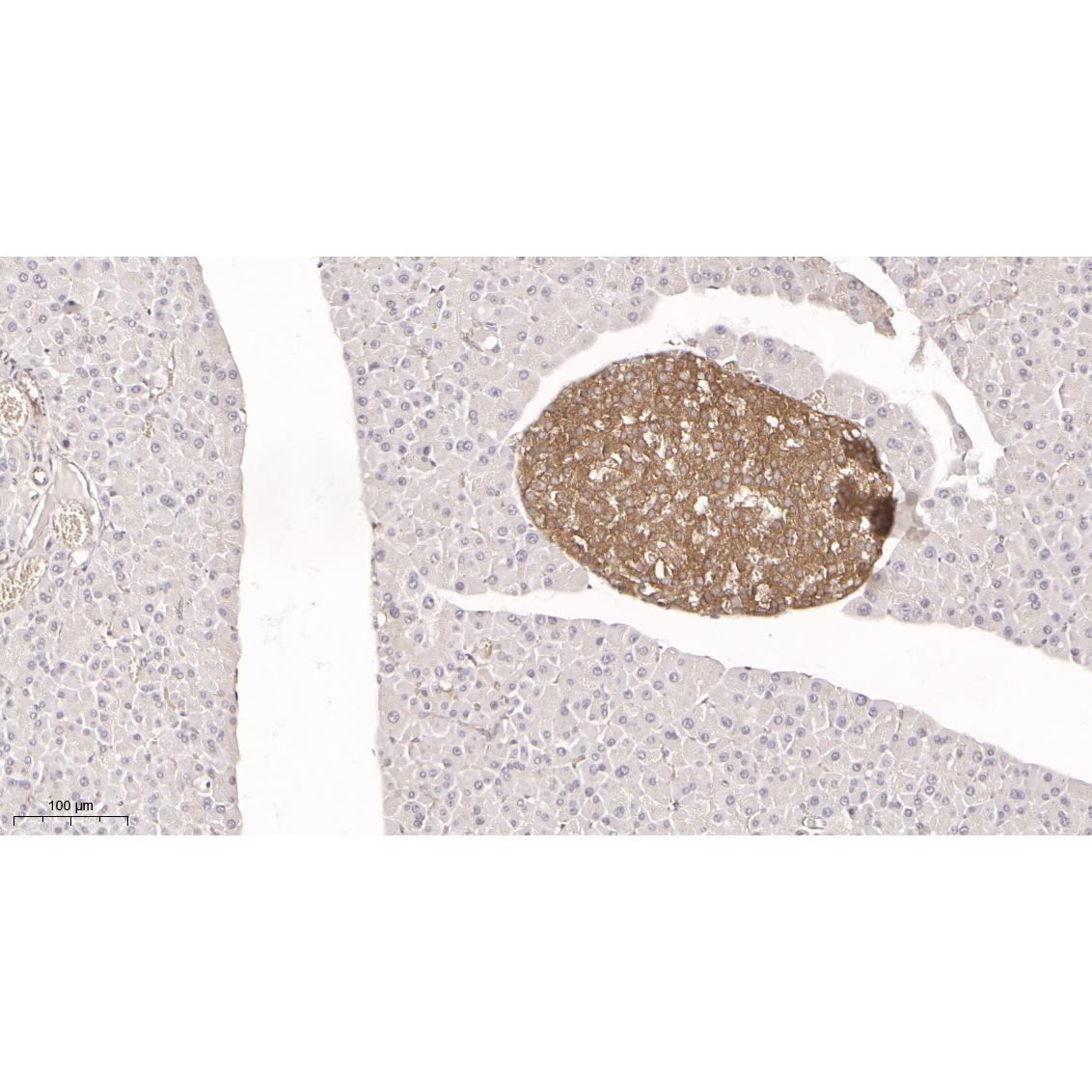
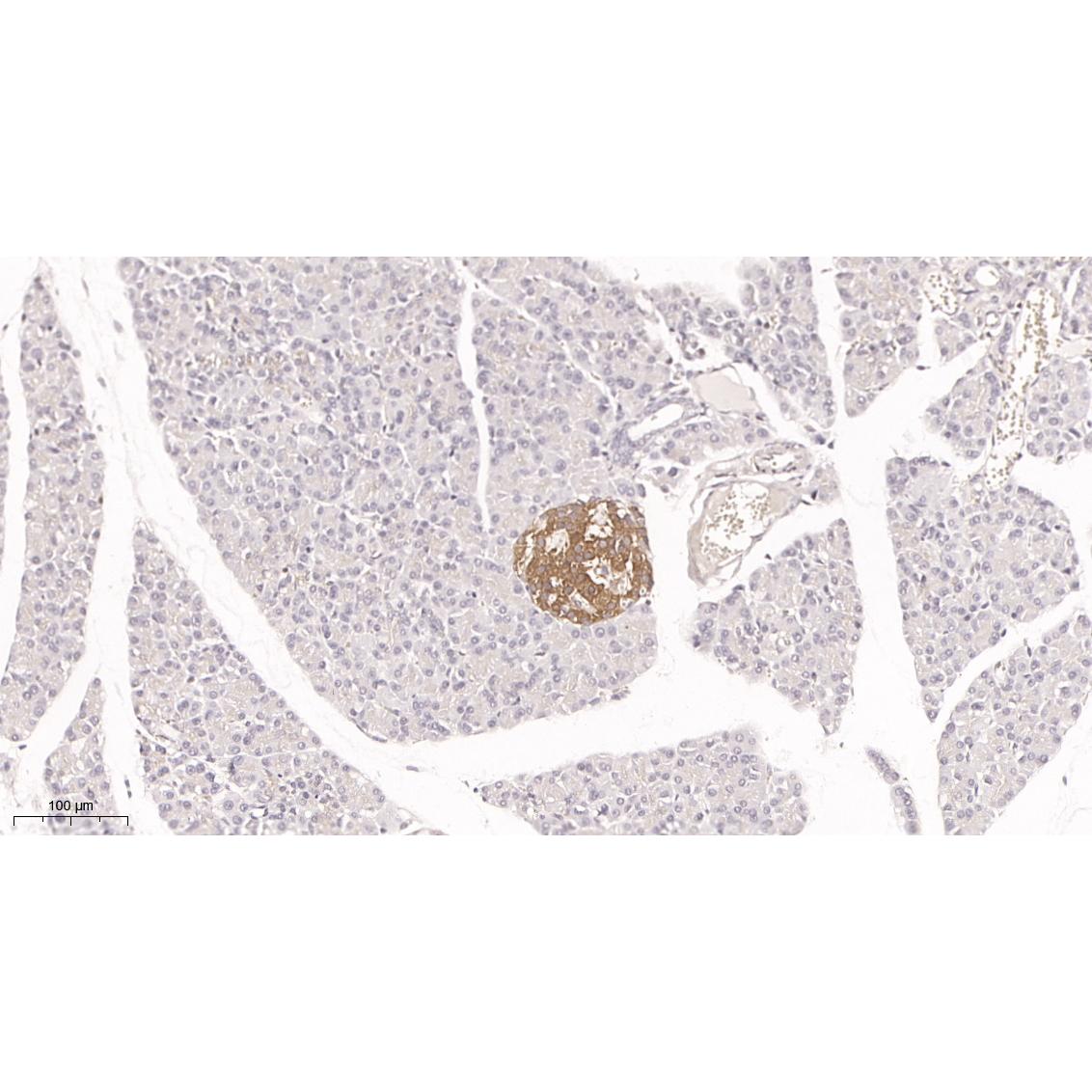
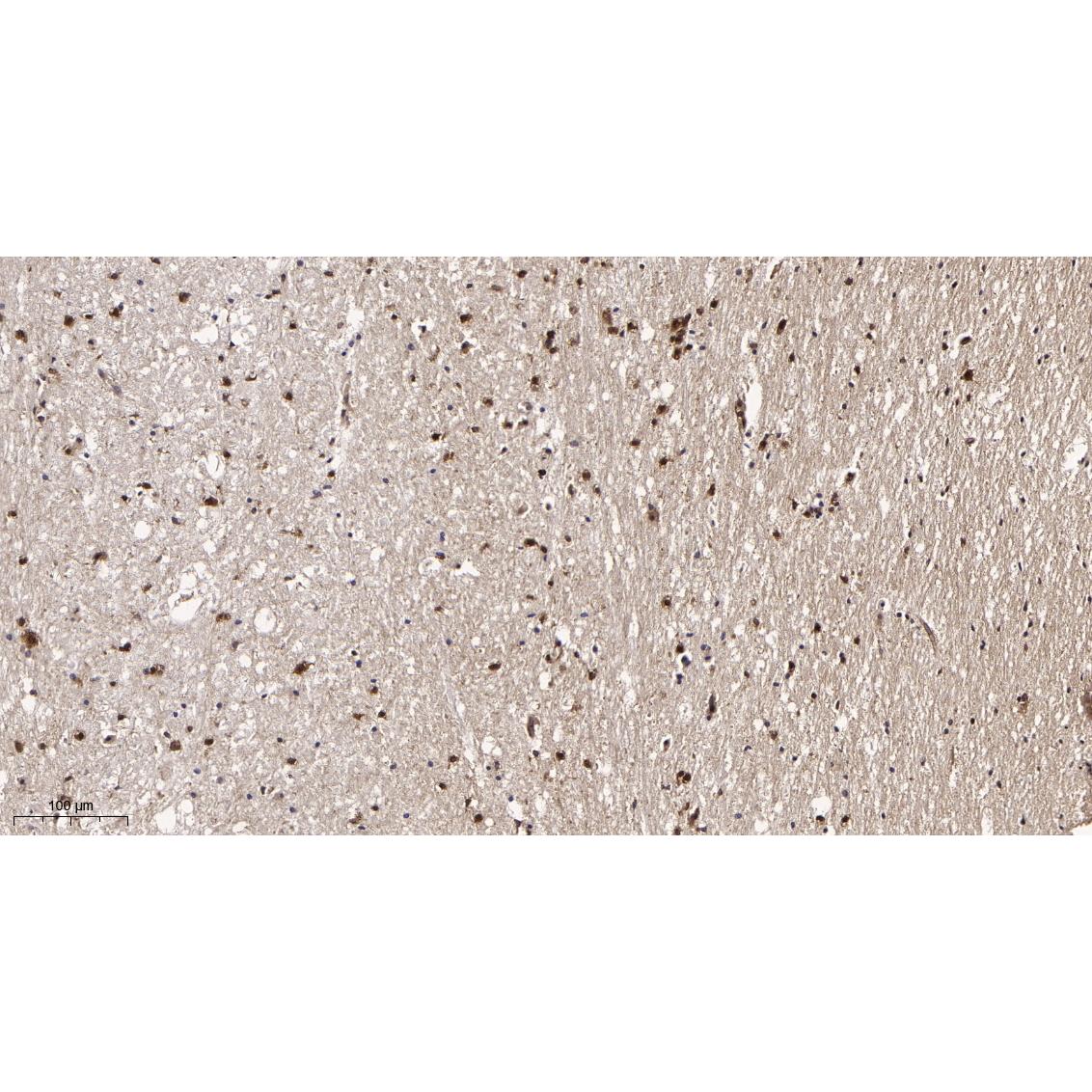
Recommended Dilution RatioIHC 1:200-1000; WB 1:1000-5000; IF 1:200-1000; ELISA 1:5000-20000; IP 1:50-200 / Note: For IHC, we suggest antigen retrieval with TE buffer pH 9.0 (Cat#WT1004)
FormulationPBS, 50% glycerol, 0.05% Proclin 300, 0.05%BSA
PurificationRecombinant Antibody expressed in animal component-free (ACF) media, purified via Protein A affinity chromatography.
Storage-15°C to -25°C/1 year(Do not lower than -25°C)
Concentration
ClonalityMonoclonal
Clone NumberRM0086R
ImmunogenThe specific immunogen used to produce this antibody is proprietary information.
SpecificityEndogenous
Gene NameDNM1L
Protein NameDynamin-1-like protein
Other NameDNM1L; / DLP1; / DRP1; / Dynamin-1-like protein; / Dnm1p/Vps1p-like protein; / DVLP; / Dynamin family member proline-rich carboxyl-terminal domain less; / Dymple; / Dynamin-like protein; / Dynamin-like protein 4; / Dynamin-like protein IV; / HdynIV; / Dynamin-rela
SpeciesHuman
Gene ID10059
UniprotO00429,
Species.1Mouse
Gene ID.174006
Uniprot.1Q8K1M6,
Species.2Rat
Gene ID.2114114
Uniprot.2O35303
Cellular LocalizationCytoplasm
Tissue ExpressionUbiquitously expressed with highest levels found in skeletal muscles, heart, kidney and brain. Isoform 1 is brain-specific. Isoform 2 and isoform 3 are predominantly expressed in testis and skeletal muscles respectively. Isoform 4 is weakly expressed in brain, heart and kidney. Isoform 5 is dominantly expressed in liver, heart and kidney. Isoform 6 is expressed in neurons.
Signaling_pathwayCellular Processes >> Cell growth and death >> Necroptosis;Organismal Systems >> Immune system >> NOD-like receptor signaling pathway;Environmental Information Processing >> Signal transduction >> TNF signaling pathway
Research Areas>>Necroptosis; / >>NOD-like receptor signaling pathway; / >>TNF signaling pathway
FunctionCatalytic activity:GTP + H(2)O = GDP + phosphate.,Function:Functions in mitochondrial and peroxisomal division probably by regulating membrane fission. Enzyme hydrolyzing GTP that oligomerizes to form ring-like structures and is able to remodel membranes. May also play a role on organelles of the secretory pathway.,miscellaneous:Isoform 1 and isoform 2 inhibits peroxisomal division when overexpressed while isoform 3 and isoform 4 have no effect.,PTM:Phosphorylated by GSK3B.,similarity:Belongs to the dynamin family.,similarity:Contains 1 GED domain.,subcellular location:Mainly cytosolic. Also membrane-associated. Localizes to mitochondria at spots of division events. Associated with peroxisomal membranes, it is recruited in part by PEX11B. May also be associated with endoplasmic reticulum tubules and cytoplasmic vesicles and found to be perinuclear.,subunit:Homotetramer; N-terminal part binds to the C-terminal part of another DNM1L. Can self-assemble in multimeric ring-like structures. Interacts with FIS1 (By similarity). Interacts with GSK3B.,tissue specificity:Ubiquitously expressed with highest levels found in skeletal muscles, heart, kidney and brain. Isoform 1 is brain-specific while isoform 3 and isoform 4 are predominantly expressed in testis and skeletal muscles respectively. Isoform 2 is weakly expressed in brain, heart and kidney and isoform 5 is dominantly expressed in liver, heart and kidney.,
Please login to post questions

Back to Top
Product has been added to your cart
