SKU: WP0634 Categories: ,

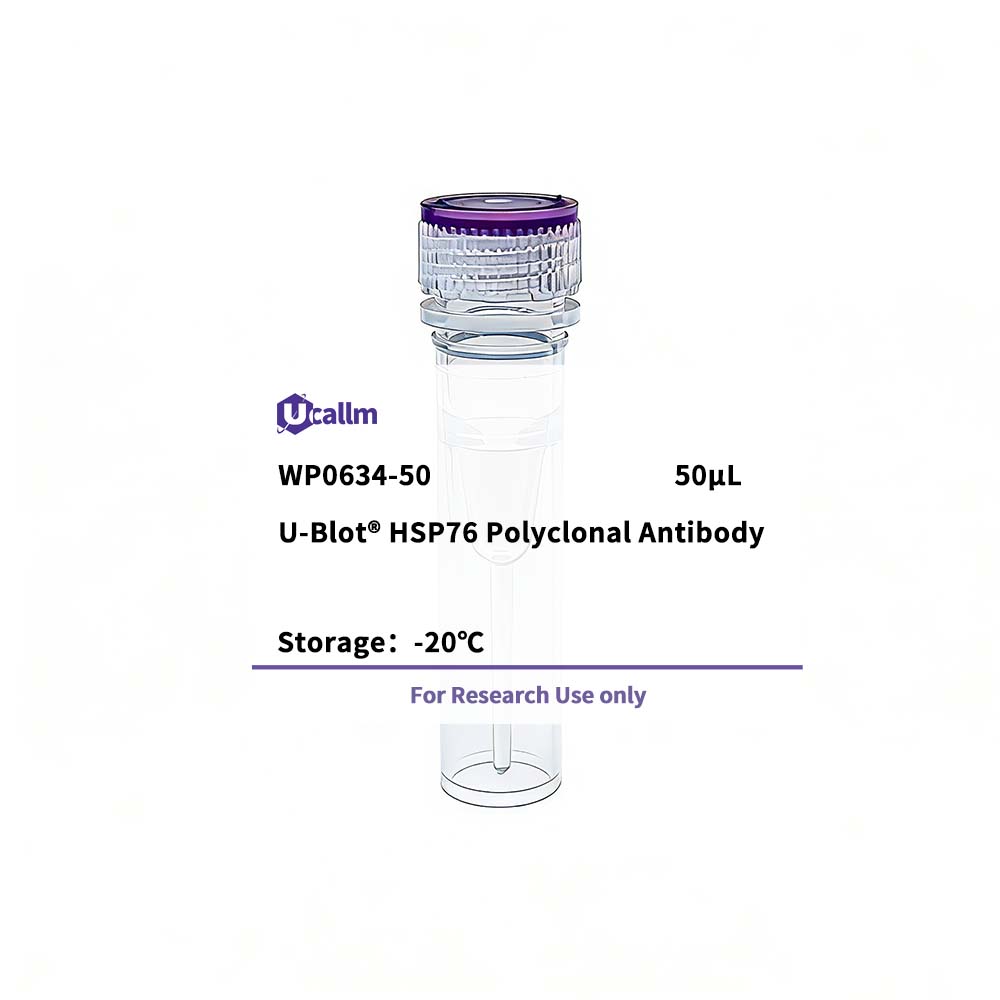
HSP76 Polyclonal Antibody

Price range: $268.00 through $328.00

SKU: WP0634-100
Enter the quantity you would like, or drag the panel to find the quantity and price that best for you
Bulk QuoteAuthorize OEM & ODM

Product details

Background:

caution:Could be the product of a pseudogene., function:In cooperation with other chaperones, Hsp70s stabilize preexistent proteins against aggregation and mediate the folding of newly translated polypeptides in the cytosol as well as within organelles. These chaperones participate in all these processes through their ability to recognize nonnative conformations of other proteins. They bind extended peptide segments with a net hydrophobic character exposed by polypeptides during translation and membrane translocation, or following stress-induced damage., induction:Only at higher temperatures, and no basal expression., similarity:Belongs to the heat shock protein 70 family.,

Specifications

Size50μL/100μL
TargetHSP76
ReactivityHuman
ApplicationsWB, ELISA
MW(Calculated)
MW(Observed)70kD
Host SpeciesRabbit
IsotypeIgG
Conjugate/ModificationUnmodified
Recommended Dilution RatioWB 1:500-2000; ELISA 1:5000-20000
FormulationLiquid in PBS containing 50% glycerol,0.5% BSA and 0.02% sodium azide.
PurificationThe antibody was affinity-purified from rabbit antiserum by affinity-chromatography using epitope-specific immunogen.
Storage-15°C to -25°C/1 year(Do not lower than -25°C)
Concentration1 mg/ml
ClonalityPolyclonal
Clone Number
ImmunogenSynthesized peptide derived from human protein . at AA range: 200-280
SpecificityHSP76 Polyclonal Antibody detects endogenous levels of protein.
Gene NameHSPA6 HSP70B'
Protein NameHeat shock 70 kDa protein 6 (Heat shock 70 kDa protein B')
Other Name
SpeciesHuman
Gene ID3310
UniprotP17066
Species.1
Gene ID.1
Uniprot.1
Species.2
Gene ID.2
Uniprot.2
Cellular Localizationcytoplasm,centriole,cytosol,COP9 signalosome,extracellular exosome,blood microparticle,
Tissue ExpressionCerebellum,Lung,Ovary,Skin,
Signaling_pathwayOrganismal Systems >> Immune system >> Antigen processing and presentation;Organismal Systems >> Endocrine system >> Estrogen signaling pathway;Organismal Systems >> Aging >> Longevity regulating pathway - multiple species;Human Diseases >> Neurodegenerative disease >> Prion disease;Environmental Information Processing >> Signal transduction >> MAPK signaling pathway;Genetic Information Processing >> Folding, sorting and degradation >> Protein processing in endoplasmic reticulum
Research Areas>>Spliceosome; / >>MAPK signaling pathway; / >>Protein processing in endoplasmic reticulum; / >>Endocytosis; / >>Longevity regulating pathway - multiple species; / >>Antigen processing and presentation; / >>Estrogen signaling pathway; / >>Prion disease; / >>Legionellosis; / >>Toxoplasmosis; / >>Measles; / >>Lipid and atherosclerosis
FunctionCaution:Could be the product of a pseudogene.,Function:In cooperation with other chaperones, Hsp70s stabilize preexistent proteins against aggregation and mediate the folding of newly translated polypeptides in the cytosol as well as within organelles. These chaperones participate in all these processes through their ability to recognize nonnative conformations of other proteins. They bind extended peptide segments with a net hydrophobic character exposed by polypeptides during translation and membrane translocation, or following stress-induced damage.,induction:Only at higher temperatures, and no basal expression.,similarity:Belongs to the heat shock protein 70 family.,

Please login to post questions
Back to Top
Product has been added to your cart
