

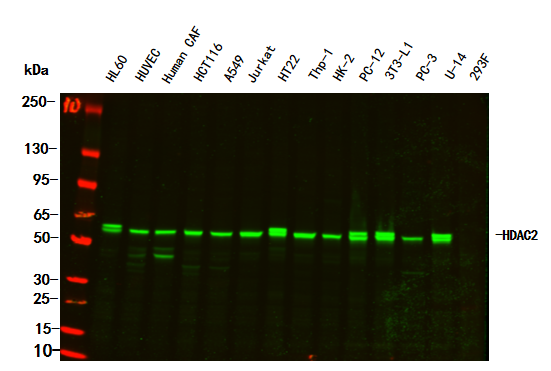
Background:HDAC2 product belongs to the histone deacetylase family. Histone deacetylases act via the formation of large multiprotein complexes, and are responsible for the deacetylation of lysine residues at the N-terminal regions of core histones (H2A, H2B, H3 and H4). This protein forms transcriptional repressor complexes by associating with many different proteins, including YY1, a mammalian […]

Background:F0X03A Phospho ser 253 belongs to the forkhead family of transcription factors which are characterized by a distinct forkhead domain. This gene likely functions as a trigger for apoptosis through expression of genes necessary for cell death. Translocation of this gene with the MLL gene is associated with secondary acute leukemia. Alternatively spliced transcript variants […]
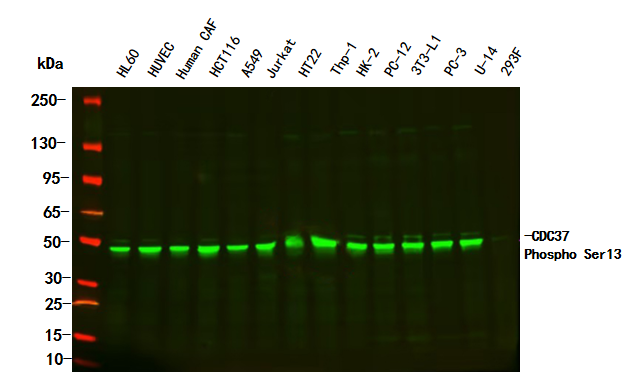
Background:The protein encoded by this gene is highly similar to Cdc 37, a cell division cycle control protein of Sacchromyces cerevisiae. This protein is a molecular chaperone with specific function in cell signal transduction. It has been shown to form complex with Hsp90 and a variety of protein kinases including CDK4, CDK6, SRC, RAF-1, MOK, […]
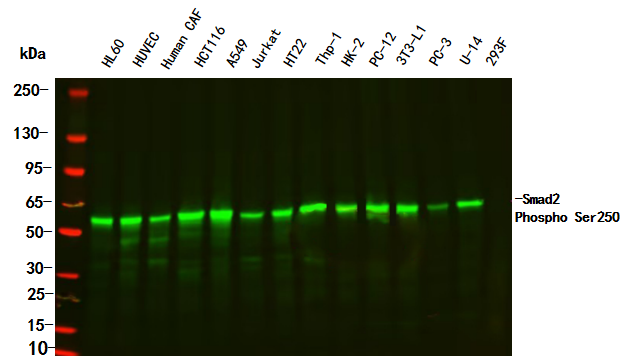
Background:The protein encoded by this gene belongs to the SMAD, a family of proteins similar to the gene products of the Drosophila gene ‘mothers against decapentaplegic’ (Mad) and the C. elegans gene Sma. SMAD proteins are signal transducers and transcriptional modulators that mediate multiple signaling pathways. This protein mediates the signal of the transforming growth […]

Background:VEGF receptor1 related tyrosine kinase 1(FLT1) Homo sapiens This gene encodes a member of the vascular endothelial growth factor receptor (VEGFR) family. VEGFR family members are receptor tyrosine kinases (RTKs) which contain an extracellular ligand-binding region with seven immunoglobulin (Ig)-like domains, a transmembrane segment, and a tyrosine kinase (TK) domain within the cytoplasmic domain. This […]
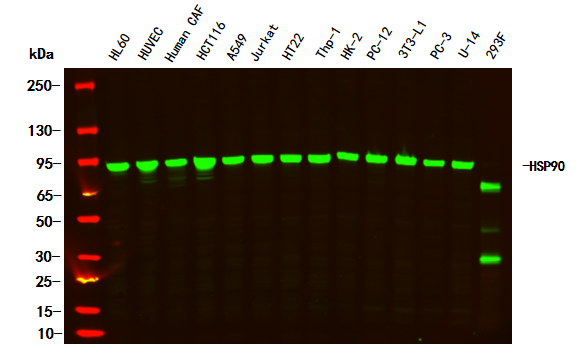
Background:HSP90 encodes a member of the heat shock protein 90 family; these proteins are involved in signal transduction, protein folding and degradation and morphological evolution. This gene encodes the constitutive form of the cytosolic 90 kDa heat-shock protein and is thought to play a role in gastric apoptosis and inflammation. Alternative splicing results in multiple […]
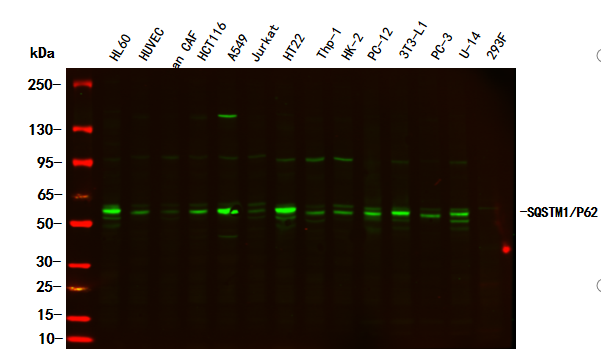
Background:SQSTM1/P62 gene encodes a multifunctional protein that binds ubiquitin and regulates activation of the nuclear factor kappa-B (NF-kB) signaling pathway. The protein functions as a scaffolding/adaptor protein in concert with TNF receptor-associated factor 6 to mediate activation of NF-kB in response to upstream signals. Alternatively spliced transcript variants encoding either the same or different isoforms […]

Background:Cleaved PARP1 is encodes a chromatin-associated enzyme, poly(ADP-ribosyl)transferase, which modifies various nuclear proteins by poly(ADP-ribosyl)ation. The modification is dependent on DNA and is involved in the regulation of various important cellular processes such as differentiation, proliferation, and tumor transformation and also in the regulation of the molecular events involved in the recovery of cell from […]

Background:Actin (pan) Rabbit mAb is a rabbit-derived monoclonal antibody that can recognize multiple actin isoforms, which are widely present in various cell types. As a commonly used internal reference in Western Blot (WB), it can calibrate sample loading amounts, with high specificity, low background, and applicability to various samples such as human and mouse. Experimental […]

We present a specialized research tool designed for precise therapeutic target validation in experimental studies. The CD86 rabbit monoclonal antibody, also known as the B7-2 antibody, provides exceptional specificity for identifying costimulatory molecules on antigen-presenting cells. This includes dendritic cells, macrophages, and activated B cells. This immunological marker plays a critical role in immune response […]

We provide specialized research tools designed to investigate critical cellular mechanisms in DNA repair and cancer biology. Poly(ADP-ribose) polymerase 1 functions as a chromatin-associated enzyme that modifies nuclear proteins through poly(ADP-ribosyl)ation. This DNA-dependent process plays essential roles in cellular differentiation, proliferation, and tumor transformation. Understanding how this enzyme responds to DNA damage requires precise detection […]
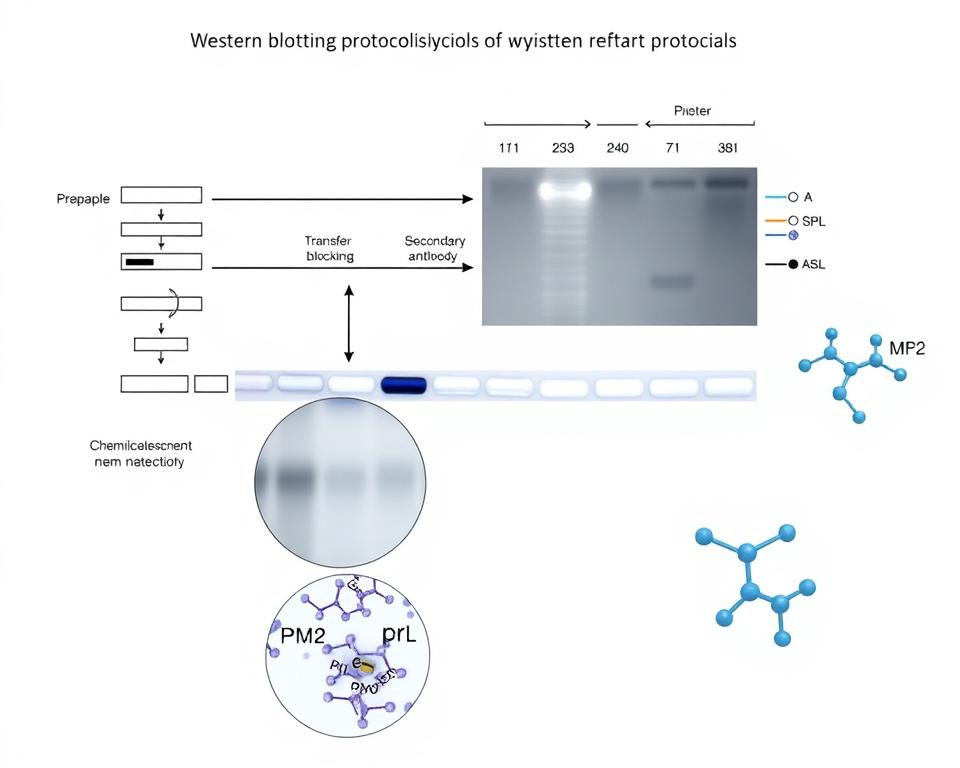
Achieving reliable protein detection in Western blotting requires precise methodology and validated reagents. The PMS2 Rabbit Monoclonal Antibody serves as a critical tool for identifying DNA mismatch repair proteins in cellular lysates. We provide comprehensive Western blotting protocols that ensure reproducible results across diverse laboratory applications. This DNA mismatch repair protein plays an essential role […]